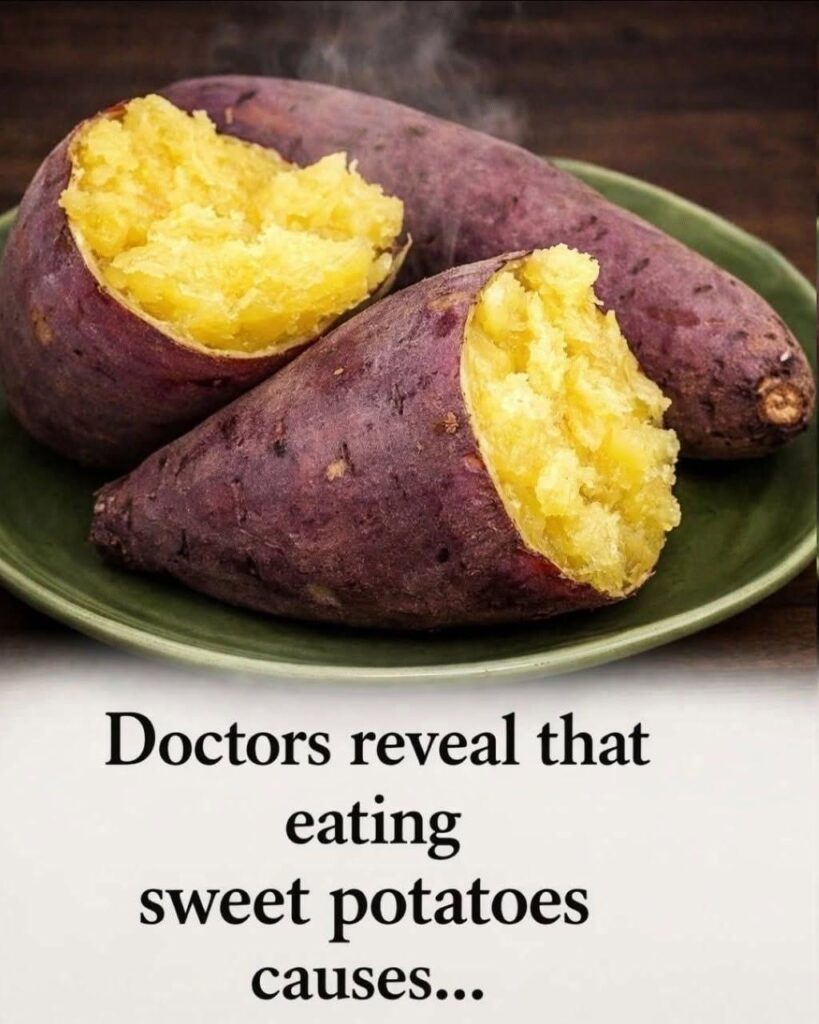

Sweet potatoes are generally a nutritious food, not something that doctors consider inherently harmful. They provide carbohydrates, fiber, potassium, vitamin A (as beta-carotene), and other nutrients. However, the effects can vary depending on how much you eat, how they’re prepared, and your individual health.
1. Better Digestive Health
Sweet potatoes contain dietary fiber, which can support regular bowel movements and healthy digestion. Increasing fiber suddenly, however, can cause gas or bloating in some people.
2. A Rise in Blood Sugar
Sweet potatoes contain carbohydrates, so they can raise blood glucose after eating. The effect depends on portion size, cooking method, and what you eat alongside them.
People with diabetes don’t necessarily have to avoid sweet potatoes, but portion size and overall carbohydrate intake matter.
3. Increased Fullness
Their combination of fiber and carbohydrates can help you feel full after a meal. Eating them with a source of protein and healthy fat can make a meal more balanced and satisfying.
4. More Potassium
Sweet potatoes provide potassium, an essential mineral involved in muscle function, nerve signaling, and fluid balance.
However, people with chronic kidney disease or certain kidney-related conditions may need to limit potassium-rich foods. They should follow their clinician’s dietary advice rather than assuming that more potassium is always beneficial.
5. More Vitamin A
Orange-fleshed sweet potatoes are especially rich in beta-carotene, which the body can convert to vitamin A. Vitamin A supports normal vision, immune function, and skin health.
Eating large amounts of beta-carotene-rich foods can sometimes give the skin a harmless yellow-orange tint called carotenemia. This is different from jaundice.
6. Possible Bloating or Gas
Because sweet potatoes contain fiber and certain fermentable carbohydrates, some people—particularly those with sensitive digestion—may experience gas, bloating, or abdominal discomfort after eating a large portion.
7. Potential Benefits for Heart Health
As part of an overall healthy diet, foods rich in fiber, potassium, and antioxidants can support cardiovascular health. But eating sweet potatoes alone isn’t a treatment for high blood pressure or high cholesterol.
So, Are Sweet Potatoes Good or Bad?
For most people, moderate portions of sweet potatoes can fit well into a healthy diet. The common online claim that doctors have discovered that sweet potatoes universally cause a particular disease or serious health problem is misleading.
The important questions are how much you eat, how they’re prepared, and whether you have a condition that affects how your body handles carbohydrates or potassium.