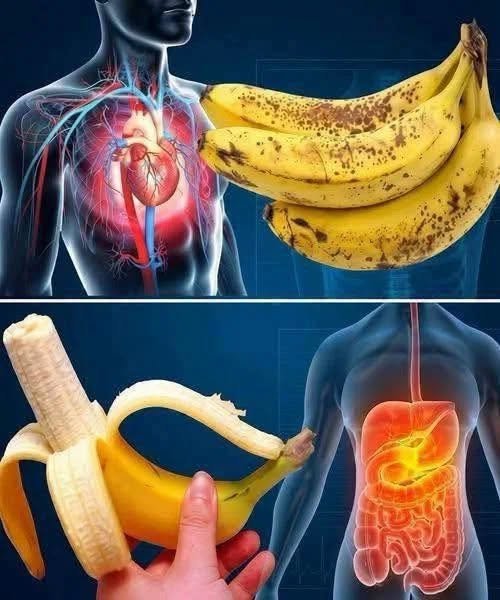

Bananas are among the most popular fruits worldwide. They are affordable, convenient, naturally sweet, and packed with essential nutrients that support several important functions in the body.
Eating bananas regularly as part of a balanced diet may help support heart health, digestion, muscle function, and energy levels. But what exactly does eating bananas increase?
1. Increases Potassium Intake and Supports Heart Health
Bananas are an excellent source of potassium, an essential mineral that helps regulate blood pressure and maintain normal heart function.
Potassium helps:
-
Support normal heart rhythm.
-
Maintain fluid balance.
-
Support healthy nerve function.
-
Help muscles contract properly.
-
Balance some of the effects of sodium on blood pressure.
Getting enough potassium through food can contribute to better cardiovascular health.
2. Supports Energy Levels
Bananas contain natural carbohydrates, including glucose, fructose, and sucrose.
These carbohydrates provide energy that the body can use during everyday activities.
Eating a banana may be particularly helpful:
-
Before physical exercise.
-
After a workout.
-
During a busy day.
-
As a convenient snack between meals.
3. Supports Healthy Digestion
Bananas contain dietary fibre, which helps maintain regular bowel movements.
They also contain resistant starch, particularly when they are less ripe.
These components may:
-
Support healthy gut bacteria.
-
Improve digestive regularity.
-
Help maintain bowel health.
-
Support normal digestive function.
Very ripe bananas contain less resistant starch than greener bananas.
4. May Help Support Healthy Blood Pressure
Potassium plays an important role in regulating blood pressure.
It helps the body manage sodium levels and supports the normal functioning of blood vessels.
Including potassium-rich foods such as bananas in a balanced diet may contribute to healthier blood pressure.
However, bananas alone cannot treat hypertension or replace prescribed medication.
5. Supports Muscle Function
Potassium and magnesium are important minerals for normal muscle function.
Bananas provide both nutrients and can be included in a healthy diet to support:
-
Muscle contractions.
-
Normal nerve signalling.
-
Physical performance.
-
Recovery after exercise.
However, eating bananas is not a guaranteed treatment for muscle cramps.
6. May Support Heart Health
Bananas contain fibre and potassium, both of which contribute to cardiovascular health.
A balanced diet containing fruits, vegetables, whole grains, and other nutrient-rich foods can help support healthy cholesterol levels and blood pressure.
7. Supports Healthy Gut Bacteria
Less-ripe bananas contain resistant starch, which can act as a prebiotic.
Prebiotics help nourish beneficial bacteria in the digestive system.
A healthy gut microbiome plays a role in:
-
Digestion.
-
Nutrient metabolism.
-
Normal immune function.
-
Maintaining intestinal health.
8. Provides Important Vitamins and Minerals
Bananas contain several nutrients, including:
-
Vitamin B6: Supports brain development, nervous system function, and protein metabolism.
-
Vitamin C: Helps protect cells and supports immune function.
-
Potassium: Supports heart and muscle function.
-
Magnesium: Helps muscles and nerves function normally.
-
Manganese: Supports metabolism and normal bone health.
-
Fibre: Supports digestive health.
9. May Help You Feel Full
Bananas contain fibre and carbohydrates that can contribute to feelings of fullness.
Eating a banana alongside protein-rich foods, such as plain yoghurt or nuts, can make a more satisfying snack.
10. Important Precautions: Who Should Be Careful?
Although bananas are healthy for most people, some individuals should consider their intake carefully.
-
People with chronic kidney disease: May need to limit potassium depending on kidney function and blood potassium levels.
-
People with diabetes: Should consider portion sizes and include bananas in their overall carbohydrate plan.
-
People with banana allergies: Should avoid bananas if they cause allergic reactions.
-
People with certain digestive sensitivities: May experience bloating or discomfort after eating them.
How Many Bananas Should You Eat Daily?
For most healthy adults, one medium banana can be a reasonable part of a balanced daily diet.
You can enjoy bananas:
-
With breakfast.
-
As a mid-morning snack.
-
Before exercise.
-
Mixed into oatmeal.
-
With plain yoghurt.
-
As part of a fruit salad.
There is no universal requirement to eat bananas every day.
Final Thoughts
Eating bananas increases your intake of potassium, fibre, vitamin B6, and other essential nutrients. These nutrients help support heart health, digestion, muscle function, and normal energy metabolism.
The real benefit of bananas is not that they cure diseases, but that they provide affordable, natural nutrition that supports your body’s everyday needs.