
Be Your Own Dentist! Here Are Some Tips for Removing Tartar Buildup at Home
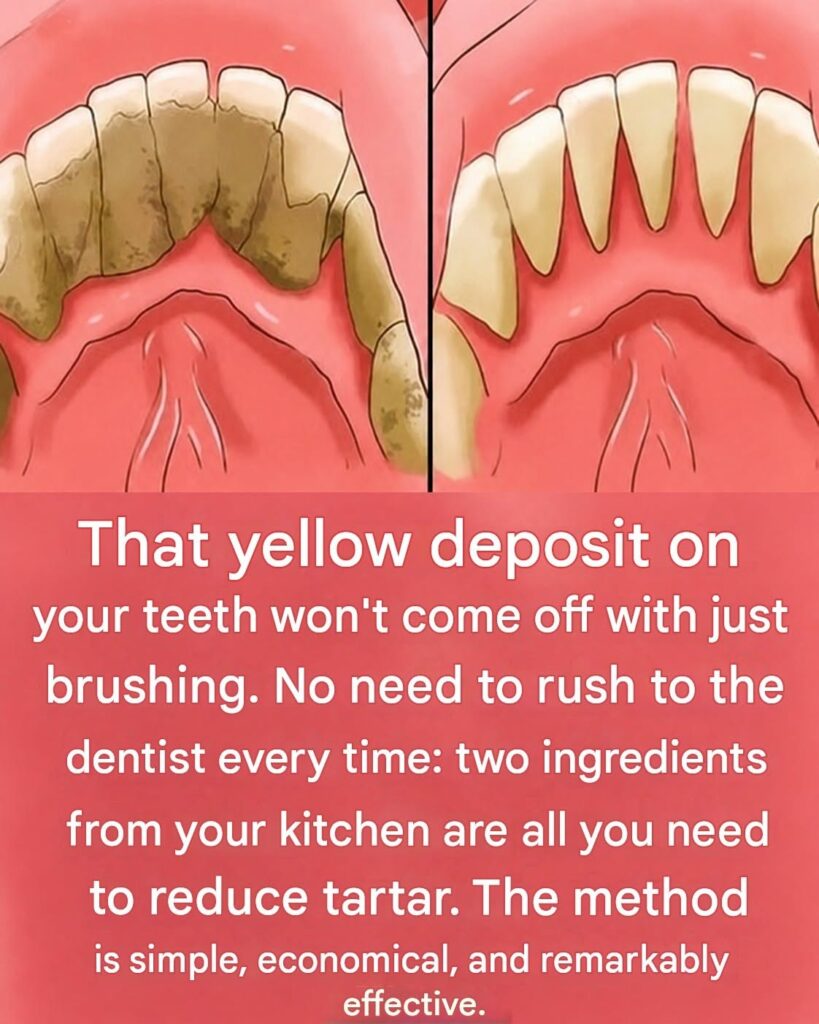
Tartar, also called dental calculus, is hardened plaque that sticks firmly to the teeth. Unlike soft plaque, it generally cannot be safely removed with ordinary brushing once it has hardened. Home care is mainly about preventing additional buildup, while a dental professional can safely remove existing calculus.
1. Brush Twice a Day
Brush your teeth for about two minutes twice daily using a fluoride toothpaste and a soft-bristled toothbrush.
Angle the brush gently toward the gumline and clean all tooth surfaces without aggressive scrubbing.
2. Clean Between Your Teeth
A toothbrush cannot effectively clean every space between the teeth. Use dental floss or an appropriate interdental cleaner once a day.
This helps remove plaque before it hardens into calculus.
3. Consider an Electric Toothbrush
A powered toothbrush can make thorough brushing easier for some people. Whichever toothbrush you use, focus on gentle, consistent cleaning rather than applying excessive pressure.
4. Use Fluoride Toothpaste
Fluoride strengthens tooth enamel and helps prevent cavities. Look for a toothpaste containing fluoride and use it consistently.
Some tartar-control toothpastes contain ingredients that can help reduce the accumulation of new calculus, but they cannot dissolve established tartar.
5. Don’t Scrape Tartar Yourself
Avoid using needles, metal dental instruments, knives, fingernails, or other sharp objects to scrape calculus from your teeth.
Trying to remove hardened tartar yourself can:
-
Cut the gums
-
Damage tooth enamel
-
Injure the roots
-
Cause infection
-
Push bacteria beneath the gumline
6. Be Careful With “Natural” Remedies
Lemon juice, vinegar, baking soda mixtures, hydrogen peroxide, and other viral home remedies are sometimes promoted as tartar removers.
They don’t safely remove established calculus, and frequent use of acidic or abrasive substances can damage enamel or irritate the gums.
7. Have Existing Tartar Professionally Removed
Once plaque hardens into calculus, a dentist or dental hygienist can remove it using professional instruments during a dental cleaning.
If calculus extends beneath the gums or there is significant gum disease, a deeper professional cleaning may be necessary.
Signs You May Need a Dental Checkup
Make an appointment if you have:
-
Persistent bad breath
-
Bleeding or swollen gums
-
Red or tender gums
-
Receding gums
-
Loose teeth
-
Tooth sensitivity
-
Visible hard yellow, brown, or dark deposits around the gumline
Bottom Line
You can take excellent care of your teeth at home, but you can’t safely scrape away established tartar yourself. The best home strategy is to prevent more buildup with twice-daily fluoride brushing and daily cleaning between the teeth, while having existing calculus removed professionally.