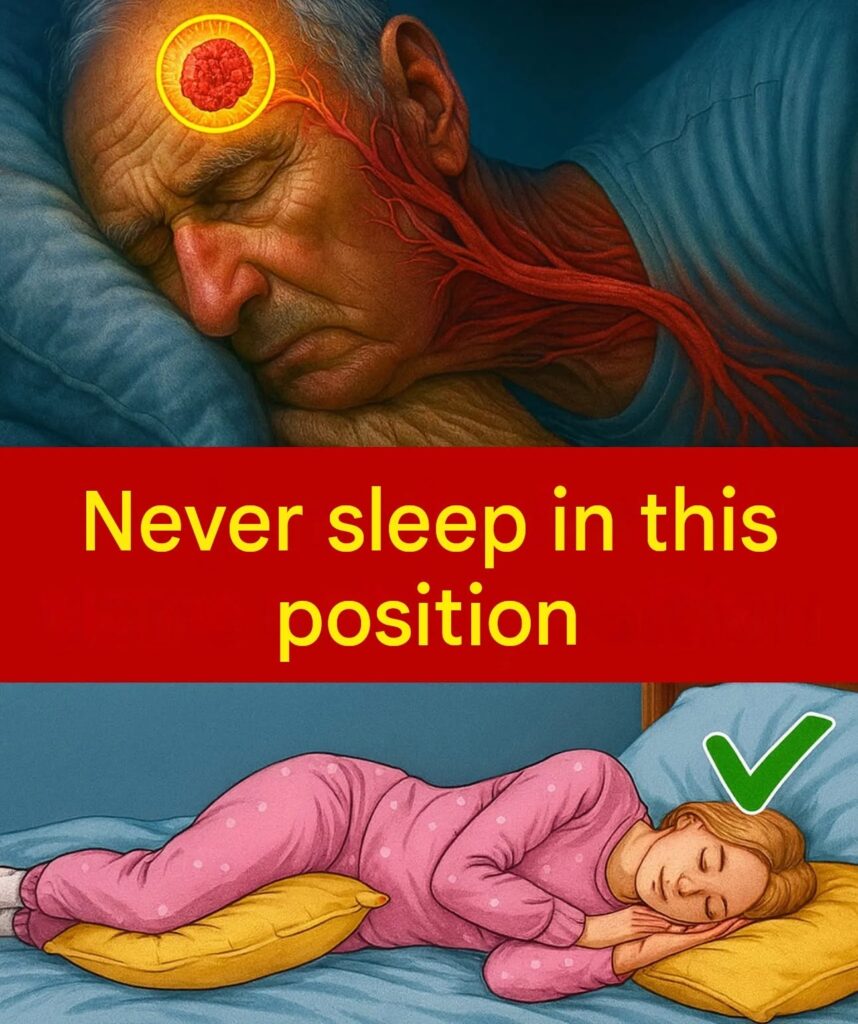

Sleep is important for brain and heart health, especially as we get older. However, there is no strong evidence that one ordinary sleeping position, by itself, increases stroke risk for most people. The bigger concerns are sleep disorders, high blood pressure, and poor sleep quality.
1. Sleeping on Your Back With Untreated Sleep Apnea
Some people experience more breathing interruptions when sleeping on their backs. Obstructive sleep apnea causes breathing to stop and restart repeatedly during sleep.
-
Warning signs: Loud snoring, gasping during sleep, morning headaches, and daytime tiredness.
-
Why it matters: Untreated sleep apnea is associated with high blood pressure and an increased risk of cardiovascular problems, including stroke.
-
What to do: Speak with a healthcare professional if you notice these symptoms.
2. Is Sleeping on One Side Better?
Sleeping on your side may help reduce breathing interruptions in some people with obstructive sleep apnea. However, the best position depends on your health and comfort. There is no single sleeping position proven to prevent strokes.
3. How Seniors Can Reduce Stroke Risk
-
Control blood pressure: High blood pressure is a major stroke risk factor.
-
Get adequate sleep: Most adults need around 7–9 hours nightly.
-
Check unusual symptoms: Ask a doctor about loud snoring, gasping, or excessive daytime sleepiness.
-
Manage medical conditions: Follow prescribed treatment for diabetes, high cholesterol, and heart problems.American Stroke Association+1
Conclusion
The main concern is not simply how you sleep, but whether you have an untreated condition such as sleep apnea. Identifying and treating sleep problems can improve your overall health.
Remember: Sudden facial drooping, arm weakness, or difficulty speaking may indicate a stroke. Seek emergency medical help immediately.