
5 Medications That May Increase Heart Attack or Stroke Risk in Older Adults
Detail
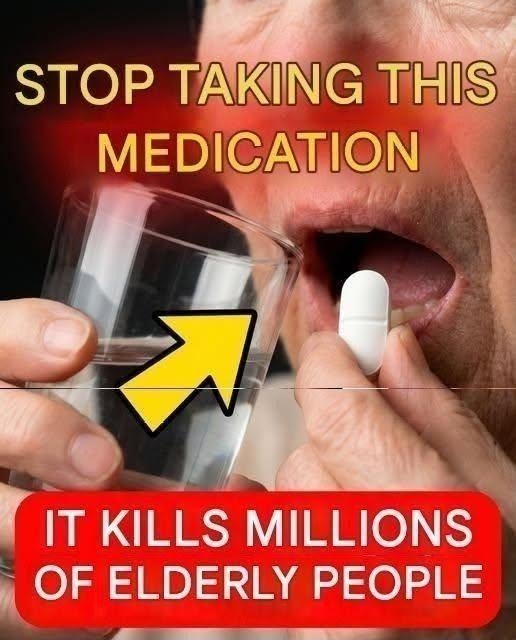
The headline needs an important qualification: medications do not universally cause heart attacks or strokes in older people. Certain medicines can increase cardiovascular risk in particular circumstances, especially when they raise blood pressure, cause abnormal heart rhythms, increase bleeding, or interact with other medicines.
1. NSAID Painkillers
Examples include ibuprofen, naproxen, and diclofenac.
Long-term or high-dose NSAID use can increase the risk of heart attack and stroke, particularly in people who already have cardiovascular disease or risk factors such as high blood pressure.
2. Decongestants
Examples include pseudoephedrine and phenylephrine.
These can raise blood pressure and heart rate. Older adults with uncontrolled hypertension, heart disease, or certain rhythm problems should ask a healthcare professional before using them.
3. Some Antipsychotic Medicines
Medicines such as risperidone, olanzapine, and quetiapine can have significant cardiovascular and metabolic effects. In older adults with dementia, antipsychotics carry a particularly important warning because they are associated with an increased risk of stroke and death.
4. Certain Hormone-Based Medicines
Some estrogen-containing therapies can increase the risk of blood clots and, depending on the formulation and the individual’s circumstances, stroke. The risk varies considerably by age, dose, route, and medical history.
5. Some Diabetes Medicines
Certain diabetes medications can increase cardiovascular risk in particular patients or circumstances, while others have been shown to reduce cardiovascular risk. This category should therefore never be interpreted as “all diabetes medicines are dangerous.”
What Older Adults Should Do
-
Don’t stop a prescribed medication because of a headline.
-
Ask your doctor or pharmacist to review all prescription and over-the-counter medicines.
-
Check blood pressure regularly if you’re taking medicines that can raise it.
-
Avoid combining medicines without checking for interactions.
-
Tell your healthcare professional if you’ve previously had a heart attack, stroke, irregular heartbeat, or blood clot.
Seek Emergency Help
Sudden chest pressure/pain, difficulty breathing, facial drooping, weakness or numbness on one side, trouble speaking, or sudden severe dizziness can indicate a heart attack or stroke. Seek emergency medical care immediately rather than waiting for the medication to wear off.