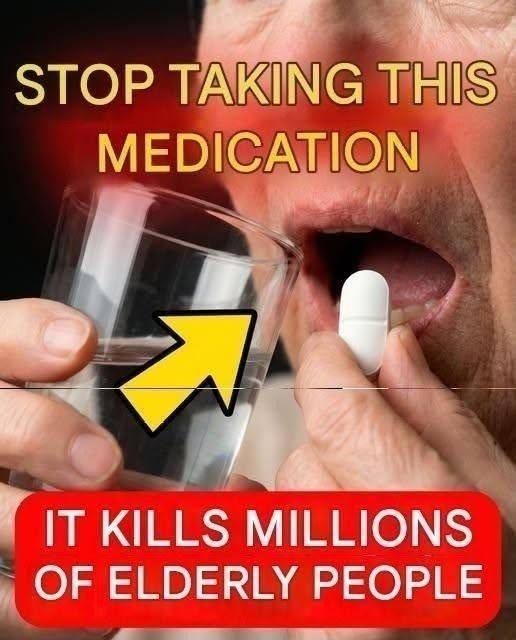

5 Types of Medicines That Can Raise Heart Attack or Stroke Risk in Some Older Adults
The headline needs an important qualification: these medicines do not automatically cause heart attacks or strokes, and many are valuable treatments. Risk depends on the medication, dose, duration, medical history, and interactions with other drugs.
1. NSAID Painkillers
Medicines such as ibuprofen, naproxen, and diclofenac can increase cardiovascular risk, particularly with higher doses or prolonged use. They can also raise blood pressure and cause fluid retention.
People with heart disease, high blood pressure, kidney disease, or a history of stroke should discuss regular NSAID use with a clinician.
2. Certain Decongestants
Oral decongestants containing pseudoephedrine or phenylephrine can raise blood pressure and heart rate. They may be inappropriate for some people with cardiovascular disease.
Check combination cold medicines carefully because these ingredients can be hidden in products marketed for congestion or colds.
3. Some Hormone-Containing Medicines
Certain estrogen-containing therapies, particularly some oral formulations, can increase the risk of blood clots and stroke in particular populations. The risk varies substantially by age, formulation, dose, and individual circumstances.
Hormone therapy should be individualized rather than stopped solely because of age.
4. Certain Antipsychotic Medications
Some antipsychotics can increase cardiovascular and metabolic risks. In older adults with dementia, certain antipsychotics also carry a boxed warning about increased mortality, largely from cardiovascular and infectious causes.
These medicines should only be changed under medical supervision.
5. Some Diabetes and Other Cardiometabolic Medicines
This category is too broad to label as simply “heart-attack causing.” Some older medications can cause low blood sugar, which may be dangerous, particularly in older adults. Other diabetes medicines can actually reduce cardiovascular risk.
The important issue is choosing the medication based on the person’s overall health, kidney function, cardiovascular disease, and risk of hypoglycemia.
⚠️ Don’t Stop Your Medication Because of a Headline
Many medicines that appear on internet “dangerous medication” lists are appropriate—and sometimes essential—for particular patients.
If you’re older and taking several medications, ask your doctor or pharmacist for a medication review, especially if you’ve recently experienced dizziness, falls, unusual bleeding, very low blood pressure, or changes in kidney function.
Never abruptly stop a prescription medication such as a blood thinner, heart medicine, blood-pressure medicine, or steroid without medical advice.