
Which Banana Is Actually the Healthiest
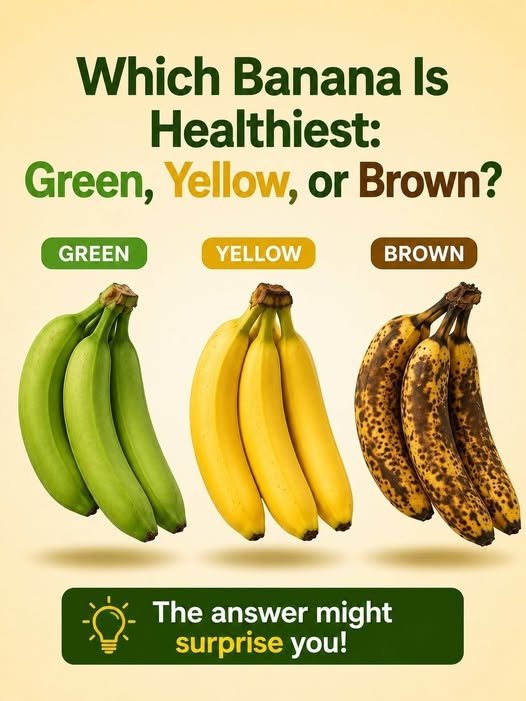
Ripeness Stages Compared — From Green to Brown-Spotted Bananas
Bananas change dramatically in starch structure, sugar profile, antioxidant levels, and digestive effects as they ripen from firm green to speckled brown. Rather than one single stage being universally “best” for every body, each ripeness stage serves a distinct nutritional role depending on your blood sugar goals, digestion, and energy needs.
1. Green (Unripe) Bananas — Best for Blood Sugar Control & Gut Prebiotics
Firm, bright-green bananas have not yet converted their complex starches into simple sugars.
-
High in Resistant Starch: Up to 70–80% of the carbohydrate content in green bananas is resistant starch—a prebiotic fiber that resists digestion in the small intestine and travels intact to the colon, where beneficial gut bacteria ferment it into short-chain fatty acids (such as butyrate).
-
Low Glycemic Impact: Because resistant starch digests slowly, green bananas cause a much gentler, slower rise in blood glucose and insulin compared to ripe yellow bananas.
-
Promotes Fullness: Resistant starch and pectin slow stomach emptying, keeping you satisfied longer between meals.
-
Trade-Offs: Green bananas taste starchy, slightly astringent, and waxy rather than sweet, and eating large amounts suddenly can cause gas or bloating in people with sensitive digestion.
2. Barely Ripe (Yellow with Green Tips) — Best All-Around Daily Balance
Bananas that are mostly yellow with a hint of green at the stem and tip sit right in the middle of the ripening curve.
-
Balanced Starch-to-Sugar Ratio: They retain a meaningful amount of resistant starch and soluble fiber while developing pleasant natural sweetness and soft texture.
-
Steady Energy Release: They provide accessible carbohydrates for daytime focus or light exercise without a sharp sugar spike.
-
Gentle on Most Stomachs: Easier to digest than solid green bananas while still feeding beneficial gut microbes.
3. Fully Ripe (Solid Bright Yellow) — Best for Quick Workout Fuel & Easy Digestion
Once the green tips disappear and the peel turns evenly golden yellow, enzymes have broken down most of the resistant starch into natural fruit sugars (sucrose, glucose, and fructose).
-
Fast-Absorbing Energy: Ideal 30 to 60 minutes before exercise or physical work when muscles need quick, easily digested fuel alongside potassium and vitamin B6.
-
Rising Antioxidant Activity: As chlorophyll breaks down in the peel, antioxidant levels inside the fruit rise steadily.
-
Easy to Chew and Digest: Soft cell walls make ripe yellow bananas gentle on sensitive stomachs and recovery diets.
4. Overripe (Yellow with Brown Spots / Speckles) — Highest in Antioxidants & Sweetest Flavor
When dark brown spots spread across the peel, starch conversion is nearly complete and phenolic antioxidant activity peaks.
-
Peak Antioxidant Content: Brown-spotted bananas contain higher concentrations of phenolic compounds and flavonoids that neutralize free radicals and cellular oxidative stress.
-
Softest Texture for Digestion: Virtually all complex starch has converted into simple sugars, making them effortless to digest—though they raise blood sugar faster than firmer bananas.
-
Best Culinary Use: Their deep sweetness and creamy texture make them ideal for natural sweetening in oatmeal, smoothies, banana bread, and baked goods without adding refined sugar.
Core Nutrients Present Across All Banana Stages
Regardless of ripeness, one medium banana (about 115–120 g) reliably delivers:
-
Potassium (~400–420 mg): Supports normal blood pressure, nerve signaling, and muscle contraction.
-
Vitamin B6 (~0.4 mg): Supports neurotransmitter production, energy metabolism, and red blood cell formation.
-
Vitamin C (~10 mg) & Manganese: Contribute to collagen synthesis and antioxidant enzyme function.
-
Dietary Fiber (~3 g): Supports bowel regularity and digestive health.
How to Choose & Prepare Each Stage for Maximum Benefit
Savory Boiled or Pan-Seared Green Banana Slices (Blood-Sugar-Friendly Side)
-
Ingredients:
-
2 firm green bananas
-
1 teaspoon olive oil or ghee
-
1/4 teaspoon turmeric powder
-
1/4 teaspoon roasted cumin powder
-
Pinch of sea salt and black pepper
-
-
Step-by-Step Preparation:
-
Cut off both ends of the green bananas, score the peel lengthwise with a knife, and peel away the skin (soaking in warm water for 3 minutes makes peeling easier).
-
Slice into 1/2-inch rounds.
-
Boil in lightly salted water for 8 to 10 minutes until fork-tender, then drain well.
-
Warm the oil or ghee in a skillet over medium heat, add turmeric and cumin, and toss the banana slices for 2 minutes until lightly golden. Serve alongside lentils, eggs, or grilled protein.
-
Balanced Gut-Supporting Banana & Chia Bowl (Yellow-Green Stage)
-
Ingredients:
-
1 yellow banana with slight green tips, sliced
-
1/2 cup plain unsweetened Greek yogurt or kefir
-
1 tablespoon chia seeds or ground flaxseeds
-
6 to 8 raw walnuts or almonds, chopped
-
Pinch of cinnamon
-
-
Step-by-Step Preparation:
-
Spoon the yogurt into a bowl and stir in the chia seeds and cinnamon.
-
Top with the sliced yellow-green banana and chopped nuts.
-
Pairing the banana with protein, healthy fats, and extra fiber slows sugar absorption even further and keeps energy steady for hours.
-
Naturally Sweetened Overripe Banana Oat Pancakes (No Added Sugar)
-
Ingredients:
-
1 heavily brown-spotted overripe banana, mashed smooth
-
1 large egg (or 1 tablespoon ground flaxseed mixed with 3 tablespoons warm water)
-
1/3 cup rolled oats (blended into coarse oat flour)
-
1/4 teaspoon baking powder
-
1/4 teaspoon cinnamon
-
1 teaspoon coconut oil or butter for the pan
-
-
Step-by-Step Preparation:
-
Mash the brown-spotted banana in a bowl until completely smooth with no lumps.
-
Whisk in the egg, blended oats, baking powder, and cinnamon until a thick batter forms; let rest for 3 minutes.
-
Heat a nonstick skillet over medium-low heat and lightly grease with oil or butter.
-
Drop 2-tablespoon rounds of batter onto the pan and cook for 2 to 3 minutes until bubbles appear on top, then flip and cook 1 to 2 minutes more until golden brown.
-
Quick Selection Guide by Personal Goal
-
Managing blood sugar or insulin sensitivity: Choose green or yellow with green tips, and pair with protein or nuts.
-
Improving gut microbiome and regularity: Choose green-tipped or lightly green bananas for prebiotic resistant starch.
-
Pre-workout energy or quick recovery: Choose solid bright yellow bananas 30–45 minutes before activity.
-
Maximum antioxidants and natural baking sweetness: Choose brown-spotted bananas and freeze extras peeled in airtight bags for smoothies and baking.