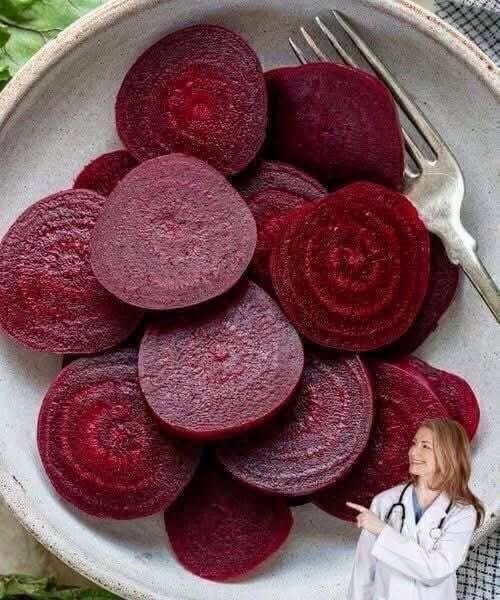

Doctors Reveal That Regularly Eating Beetroot Can Lead to
Physiological Effects, Health Outcomes, and Considerations of Regular Beetroot Consumption
1. Improved Nitric Oxide Production and Blood Vessel Relaxation
-
Vasodilation (Widening of Blood Vessels): Nitric oxide signals the smooth muscle lining blood vessels to relax and widen, allowing blood to flow more smoothly through arteries and capillaries.
-
Lower Resting and Post-Meal Blood Pressure: Regular intake of beetroot or beetroot juice—especially when eaten raw, lightly cooked, or juiced without excessive added salt—is frequently associated with modest reductions in systolic and diastolic blood pressure.
-
Enhanced Microcirculation: Better blood flow supports oxygen and nutrient delivery to active tissues, including muscles, brain tissue, and extremities.
2. Greater Exercise Stamina and Oxygen Efficiency
-
Lower Oxygen Cost During Activity: Dietary nitrates help muscles use oxygen more efficiently during submaximal aerobic exercise, meaning a given pace or workload can feel slightly less taxing.
-
Delayed Fatigue in Endurance and High-Intensity Efforts: Improved blood perfusion and nitric oxide availability can support stamina during brisk walking, cycling, running, or repeated bursts of exertion.
-
Faster Post-Workout Recovery Support: Antioxidant compounds in beets—such as betalains and polyphenols—help counter exercise-induced oxidative stress.
3. Harmless Color Changes: Beeturia and Reddish Stools
-
Beeturia (Pink or Reddish Urine): Depending on stomach acidity, iron status, and how fast food moves through the digestive tract, beetroot pigments (betacyanins) can tint urine pink, red, or dark rose. This is typically harmless on its own, though anyone unsure whether red color comes from beetroot or blood can pause beets for a couple of days to see if the color clears.
-
Reddish or Dark Stools: Undigested beet pigments and dense fibrous pulp can give bowel movements a reddish or maroon hue.
4. Digestive Shifts from Fiber, Betalains, and FODMAPs
-
Smoother Bowel Movements: Beetroot provides both soluble and insoluble fiber that feed beneficial gut bacteria and support regular stool bulk—provided daily water intake is also adequate.
-
Bloating or Gas in Sensitive Guts: Beets contain fructans (a type of FODMAP fermentable carbohydrate). People with irritable bowel syndrome (IBS) or sensitive digestion may notice gas, bloating, or cramping if they jump straight into large servings or concentrated beet juice.
-
Antioxidant and Anti-Inflammatory Activity: Betalains help neutralize free radicals and support cellular defense against everyday metabolic stress.
5. Oxalate Load and Kidney Stone Considerations
-
Higher Urinary Oxalate in Susceptible People: Regular consumption of large portions of beetroot or beet greens (which are especially high in oxalates) can raise oxalate levels in individuals prone to calcium oxalate kidney stones.
-
Practical Pairing Tip: Eating calcium-rich foods (such as yogurt, milk, paneer, or sesame/tahini) alongside high-oxalate foods helps bind some oxalate in the gut before it reaches the kidneys, while staying well-hydrated throughout the day keeps urine diluted.
6. Blood Sugar and Metabolic Considerations
-
Natural Sugars Balanced by Fiber (Whole Beets vs. Juice): Whole cooked or roasted beets have a moderate sugar content paired with fiber and phytonutrients. Beetroot juice, however, removes most of the insoluble fiber and concentrates sugars into a fast-absorbing liquid, which can raise blood glucose more quickly than whole beets—especially if paired with sweetened fruit juices.
-
Blood Pressure Medication Awareness: Because beets can naturally lower blood pressure, people already taking antihypertensive medications or nitrate-containing heart medications should monitor their blood pressure regularly and discuss big dietary changes with their doctor.
Practical Ways to Prepare and Include Beetroot Regularly
Roasted Garlic & Herb Beetroot Wedges
-
Ingredients:
-
3 medium fresh beets, scrubbed and cut into bite-sized wedges
-
1 tablespoon olive oil or avocado oil
-
2 cloves garlic, finely minced
-
1/2 teaspoon dried thyme or rosemary
-
1/4 teaspoon sea salt and 1/4 teaspoon black pepper
-
Optional finish: 1 teaspoon lemon juice or a spoonful of plain yogurt/tahini
-
-
Step-by-Step Preparation:
-
Preheat the oven to 200°C (400°F) and line a baking sheet with parchment paper.
-
Toss the beet wedges with oil, minced garlic, dried herbs, salt, and pepper until evenly coated.
-
Spread in a single layer and roast for 30 to 40 minutes, turning once halfway, until tender when pierced with a fork.
-
Finish with a light squeeze of lemon juice or a dollop of plain yogurt and serve warm or chilled over salads, grain bowls, or lentils.
-
Fresh Beet, Carrot & Ginger Morning Blend
-
Ingredients:
-
1 small raw beet, peeled and chopped (start with half a beet if new to raw beets)
-
1 medium carrot, chopped
-
1/2-inch piece fresh ginger, peeled
-
1/2 cup plain yogurt or 3/4 cup water/unsweetened milk
-
Squeeze of fresh lemon juice
-
-
Step-by-Step Preparation:
-
Add the liquid or yogurt to the blender first, followed by chopped raw beet, carrot, ginger, and lemon juice.
-
Blend on high for 45 to 60 seconds until smooth and velvety.
-
Enjoy right away—retaining the whole blended pulp preserves fiber that supports steadier digestion and blood sugar response than strained juice alone.
-
Everyday Routine Guidelines
-
Build Up Gradually: Start with 1/2 cup of cooked beets or a small half-glass of diluted beet blend a few times a week, then increase to 1/2 to 1 cup most days if your stomach and digestion tolerate it well.
-
Keep Oral Bacteria Active: Avoid heavy antiseptic mouthwash immediately before eating nitrate-rich foods like beets if you want maximum natural conversion of dietary nitrates to nitric oxide, as harsh mouthwash temporarily reduces helpful mouth bacteria.
-
Store Fresh Roots Properly: Trim leafy tops off raw beets (leaving about 1 inch of stem so they do not bleed color while cooking) and store unwashed roots in a breathable bag in the crisper drawer for 2 to 3 weeks.