
Be Your Own Dentist? What You Can Safely Do About Tartar Buildup at Home
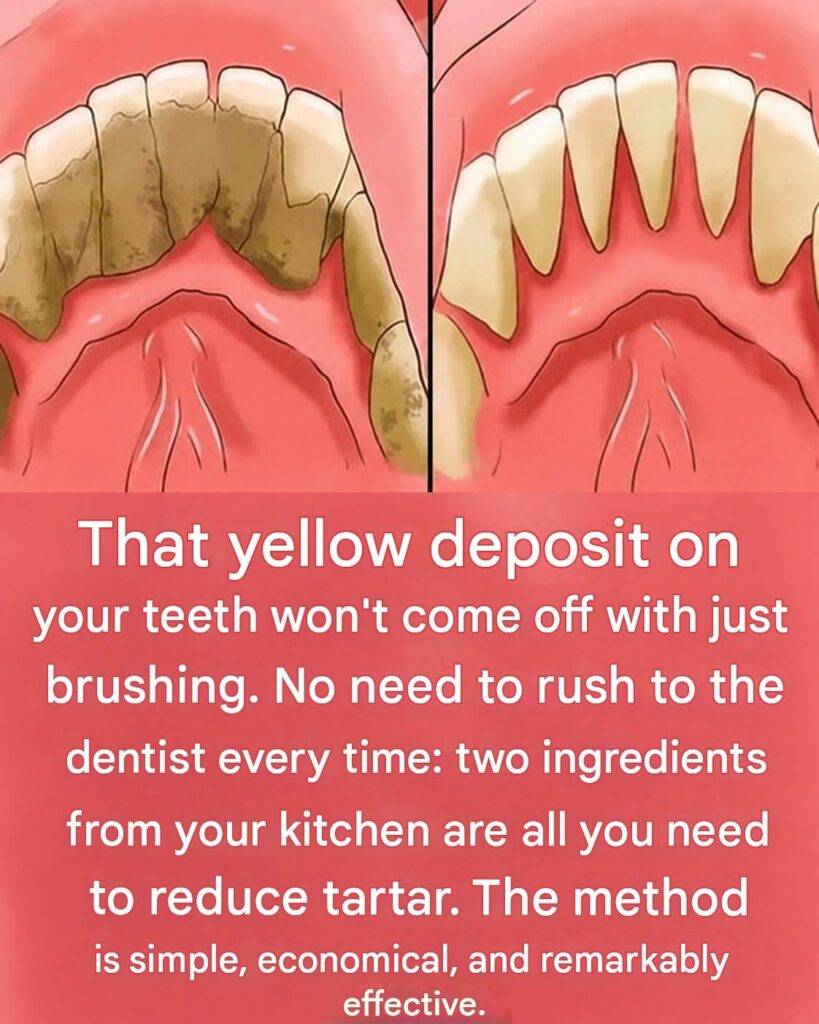
Tartar, also called dental calculus, is hardened plaque that sticks firmly to the teeth. Unlike soft plaque, it cannot usually be removed completely with ordinary brushing. Trying to scrape it off yourself with sharp tools can damage the enamel or gums and may cause bleeding or infection.
The good news is that you can do several things at home to prevent additional buildup and keep your teeth and gums healthier.
1. Brush Twice a Day
Brush your teeth for about two minutes twice daily using fluoride toothpaste. Pay attention to the gumline, where plaque commonly accumulates.
Use a soft-bristled toothbrush and gentle pressure. Scrubbing aggressively does not remove tartar more effectively and can irritate the gums.
2. Clean Between Your Teeth Every Day
A toothbrush cannot adequately clean every space between teeth. Dental floss, interdental brushes, or another dentist-recommended cleaning aid can remove plaque from these areas before it hardens into tartar.
Daily cleaning between the teeth is especially important if you frequently notice buildup around the gumline.
3. Consider an Electric Toothbrush
An electric toothbrush can make consistent brushing easier for some people. Choose one with a soft brush head and use gentle pressure rather than pressing forcefully against your teeth.
4. Use Fluoride Toothpaste
Fluoride helps strengthen tooth enamel and protects against cavities. It does not dissolve existing tartar, but regular fluoride toothpaste is an important part of everyday oral care.
5. Don’t Try to Scrape Tartar Off Yourself
Dental scalers and other sharp instruments may look like an easy solution online, but using them without professional training can cut the gums, scratch tooth surfaces, or push bacteria underneath the gumline.
If you can feel a hard, rough deposit that does not disappear after brushing, it is better to have it professionally removed.
6. Rinse After Eating When Appropriate
Rinsing your mouth with water after meals can help clear away food particles. If you use a mouthwash, choose one appropriate for your oral-health needs rather than relying on harsh homemade mixtures.
Avoid using highly acidic substances such as undiluted vinegar or lemon juice on your teeth. They can contribute to enamel erosion.
7. Watch for Signs of Gum Disease
Tartar buildup can contribute to gum inflammation. Contact a dentist if you notice persistent bleeding while brushing, swollen or tender gums, persistent bad breath, gum recession, loose teeth, or pain.
These symptoms can indicate a problem that home cleaning alone cannot fix.
8. Professional Cleaning May Still Be Necessary
Once plaque has hardened into tartar, a dental professional can remove it using appropriate instruments. Depending on how much buildup is present and the condition of your gums, you may need a routine cleaning or a more thorough periodontal cleaning.
The Bottom Line
You can prevent and reduce plaque buildup at home, but existing tartar generally cannot be safely removed completely with household methods. Brush twice daily with fluoride toothpaste, clean between your teeth every day, avoid aggressive scraping, and have persistent tartar professionally removed.
Good home care is your best defense—but it works alongside, rather than instead of, professional dental care.