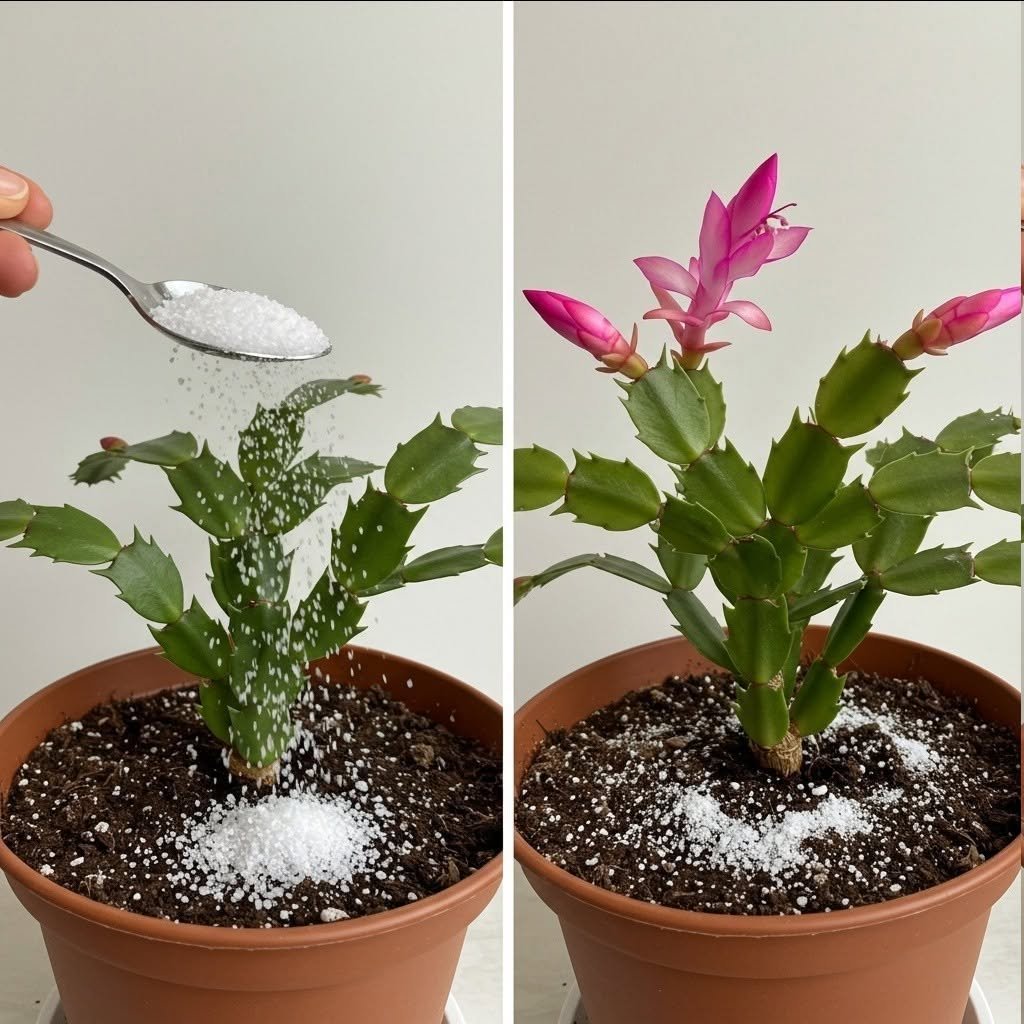

Fall Awakening: Breathing Life into House Flowers with a Little Secret
Autumn Houseplant Care & Gentle Nutrient Boost for Thriving Indoor Blooms
As autumn sets in, shorter days, shifting indoor temperatures, and drier heating air often cause houseplants and blooming indoor flowers to slow down, drop buds, or look dull. While plants naturally transition with the seasons, a few thoughtful adjustments—combined with a simple, gentle nutrient boost—can help revive tired indoor blooms and keep foliage healthy through the cooler months.
Why House Flowers Struggle in Autumn
When summer fades into fall, the indoor environment changes in ways houseplants feel right away:
-
Lower Sunlight Intensity and Shorter Days: Even when a plant sits near a window, autumn sun angles are lower and daylight hours are shorter, reducing the energy available for flowering and new growth.
-
Dry Indoor Air: Heating systems, fans, and closed windows lower indoor humidity, which can dry out delicate flower petals, curl leaf edges, and stress tropical or flowering plants.
-
Temperature Swings and Drafts: Cool nights near windowpanes or warm blasts from heaters can shock plants and cause buds to drop before opening.
-
Overwatering in Slower Growth: Because plants drink more slowly in cooler, less sunny conditions, keeping soil constantly soggy easily leads to root stress or root rot.
-
Gradual Nutrient Depletion: Months of spring and summer growth can leave potting mix low on accessible minerals and organic matter.
The “Little Secret”: Gentle Organic Feeding + Light & Humidity Sync
There is no single magic potion that overrides poor light or waterlogged roots, but the most reliable way to wake up sluggish house flowers in the fall is pairing a mild, slow-releasing organic nutrient boost with better light and moisture timing:
-
Mild Organic Boost (Rather Than Heavy Fertilizer): Heavy synthetic fertilizers can burn roots when a plant’s growth rate slows in autumn. A gentle, diluted organic boost—such as weakly brewed worm castings/compost tea, diluted liquid seaweed/kelp, or a light top-dressing of worm castings—supplies trace minerals, beneficial microbes, and gentle growth hormones without overwhelming the roots.
-
Strategic Light Placement: Moving blooming houseplants a little closer to a bright window—or rotating pots a quarter-turn every few days—helps balance growth and encourages remaining buds to open evenly.
-
Humidity Without Drowning the Roots: Grouping plants together, setting pots on a pebble tray with water just below the pot base, or misting foliage lightly earlier in the day helps offset dry indoor air without soaking the soil.
Recipe: Gentle Autumn Revival Brew & Soil Top-Dress for House Flowers
Use this mild recipe every 3 to 4 weeks during autumn for established indoor flowering plants (such as peace lilies, African violets, geraniums, begonias, kalanchoes, or cyclamen). Avoid feeding newly repotted, dormant, or severely stressed plants until their roots recover.
Ingredients
-
1 quart (about 1 liter) filtered, distilled, or 24-hour room-temperature tap water (letting tap water sit out helps dissipate chlorine)
-
1 to 2 tablespoons finished worm castings (or well-aged compost)
-
1/2 teaspoon liquid kelp or seaweed extract (optional, for gentle micronutrients)
-
1 to 2 tablespoons fresh worm castings per pot (optional, for a slow-release soil top-dress)
Step-by-Step Preparation
-
Prepare the Water: Pour the room-temperature water into a clean watering can or pitcher.
-
Stir in the Organic Boost: Add the 1 to 2 tablespoons of worm castings and, if using, 1/2 teaspoon of liquid kelp. Stir well until evenly mixed.
-
Let It Steep (Optional): Let the mixture sit for 1 to 2 hours (stirring once or twice) so soluble nutrients and beneficial compounds infuse into the water.
-
Check Soil Moisture First: Feel the top 1 to 2 inches (2.5–5 cm) of soil with your finger. Only apply the revival brew when the top layer feels slightly dry—never on bone-dry, shrunken soil or soggy mud.
-
Water Gently at the Base: Pour the mixture slowly around the base of the plant rather than directly onto the crown or flower petals, allowing excess water to drain completely from the bottom hole. Discard any standing water in the saucer after 15 to 20 minutes.
-
Add a Light Top-Dress (Optional): Gently scratch 1 to 2 tablespoons of worm castings into the top half-inch of soil without damaging surface roots, then water lightly if needed.
Everyday Fall Habits That Keep Blooms Going Strong
-
Water by Soil Need, Not the Calendar: Check soil moisture every few days. Most houseplants prefer a slight dry-down between waterings in autumn compared to midsummer.
-
Clean the Leaves: Gently wipe dust off broad leaves with a damp cloth so plants can capture every bit of available autumn light.
-
Trim Spent Blooms and Yellow Leaves: Snipping faded flowers and yellowing foliage redirects the plant’s energy toward healthy leaves and developing buds, while improving airflow.
-
Protect from Cold Glass and Drafts: Pull pots back a few inches from cold windowpanes at night and keep them away from exterior doors or heating vents.
-
Know When a Plant Wants Rest: Some plants naturally slow down or enter semi-dormancy in autumn and save their biggest floral show for winter or spring—supporting steady root health now sets the stage for stronger blooms later.