
Simple Old-Fashioned Trick for Cleaning an Oven
What You Need
-
Baking Soda: 1/2 cup (loosens baked-on grease and acts as a gentle, non-scratch abrasive).
-
Water: 2–3 tablespoons (to form a spreadable paste) plus a damp microfiber cloth or non-scratch sponge.
-
White Vinegar: In a spray bottle (reacts with baking soda residue to lift loosened grime).
-
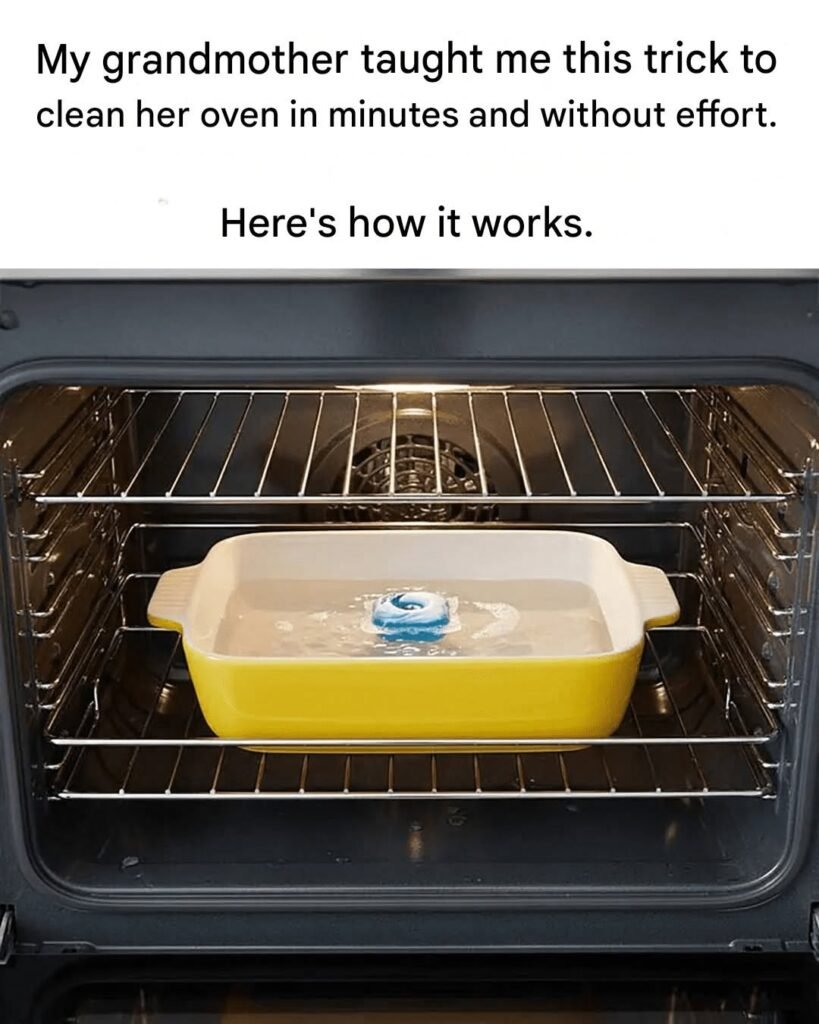
Heat-Safe Bowl (Optional Steam Pre-Soften): Filled with water and 2–3 tablespoons of white vinegar or lemon juice.
-
Rubber Gloves & Plastic Scraper: Protects skin and gently lifts softened carbon buildup without scratching enamel.
Step-by-Step Instructions
-
Remove Oven Racks:
-
Take out racks and any loose foil or debris so you can reach all interior surfaces easily (soak racks separately in warm, soapy water with a splash of dish soap).
-
-
Optional Steam Pre-Soften (For Heavy Grease):
-
Place an oven-safe bowl of water and vinegar/lemon juice on the bottom rack, heat the oven to 120°C (250°F) for 20–30 minutes, turn it off, and let it cool until warm—steam softens hardened grease before scrubbing.
-
-
Mix and Apply the Baking Soda Paste:
-
Stir 1/2 cup baking soda with 2–3 tablespoons of water until it reaches a thick, spreadable paste.
-
Wearing gloves, spread the paste across the bottom, sides, and inner glass door—avoid bare heating elements, gas igniters, temperature sensors, and door vents.
-
-
Let It Sit Overnight (or 8–12 Hours):
-
Close the oven door and allow the baking soda to break down baked-on fats and carbonized spills; the white paste will gradually turn brownish as it absorbs grease.
-
-
Wipe Out the Loosened Paste:
-
Use a damp cloth and a plastic spatula or scraper to lift away the dried paste and softened residue, rinsing your cloth frequently in warm water.
-
-
Spray With White Vinegar and Do a Final Wipe:
-
Lightly mist any remaining baking soda film with white vinegar (it will fizz gently), wipe completely clean with a fresh damp cloth, dry with a towel, and replace the racks.
-
Important Safety Notes
-
Do Not Use on Self-Cleaning Cycle Surfaces During High Heat: Never leave baking soda or vinegar inside while running a high-temperature self-clean cycle, and check your oven manual if it has a special catalytic/matte enamel coating.
-
Avoid Wire Brushes or Steel Wool: Metal scrubbers scratch porcelain enamel and inner door glass, which can weaken tempered glass over time.
-
Ventilate the Kitchen: Open a window or turn on the exhaust fan while wiping out vinegar and loosened residue.