
Top 12 Amlodipine Side Effects You Should Know About
Common Everyday Side Effects
-
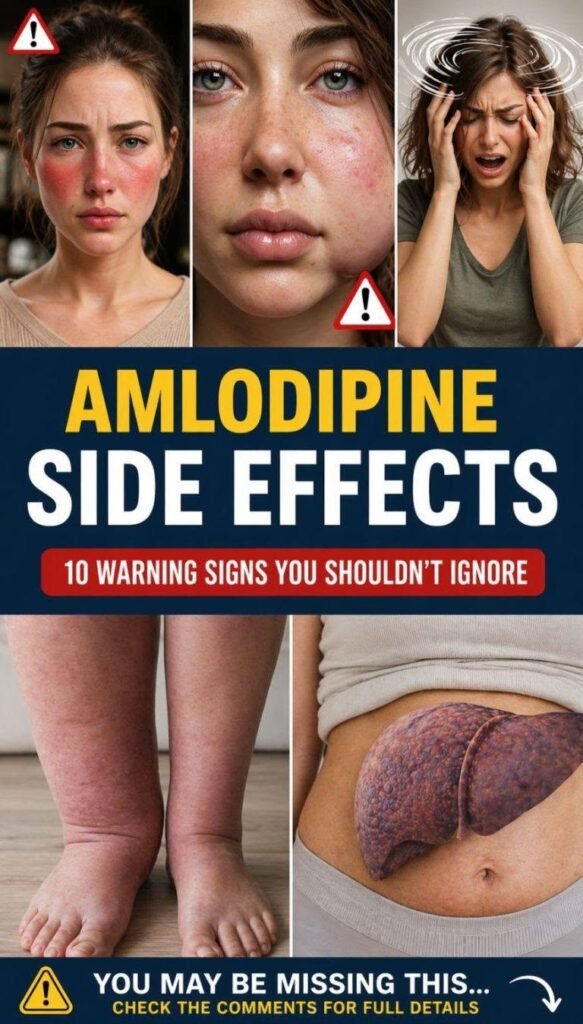
Swelling in the Ankles, Feet, or Lower Legs (Peripheral Edema): The most frequent side effect; amlodipine widens small arteries more than veins, pushing fluid into lower-limb tissues—often worse at higher doses (10 mg) or late in the day.
-
Dizziness or Lightheadedness: Especially noticeable when standing up quickly from sitting or lying down as blood pressure lowers.
-
Flushing and Warmth in the Face or Neck: Sudden skin redness or heat caused by rapid blood vessel dilation.
-
Fatigue or Unusual Drowsiness: Feeling sluggish, low-energy, or sleepy, particularly during the first few weeks of starting or increasing the dose.
-
Headaches: Throbbing or mild-to-moderate headaches triggered by blood vessel relaxation early in treatment; often eases as the body adjusts.
Less-Highlighted Digestive, Heart & Nerve Effects
-
Heart Palpitations or Faster Heartbeat: A brief awareness of a pounding or slightly faster pulse as the body reflexively responds to widened blood vessels.
-
Nausea, Stomach Discomfort, or Indigestion: Mild abdominal cramping, queasiness, or acid reflux symptoms, partly linked to smooth-muscle relaxation in the digestive tract.
-
Constipation: Slower bowel motility caused by calcium-channel blockade in intestinal smooth muscle, though less common with amlodipine than with verapamil.
-
Muscle Cramps, Joint Aches, or Weakness: Occasional leg cramps, generalized muscle soreness, or stiffness during routine activity.
-
Gum Swelling or Tenderness (Gingival Hyperplasia): Overgrowth or puffiness of the gums that can develop gradually with long-term use, made worse by plaque buildup if oral hygiene lapses.
Rare or Serious Effects Requiring Prompt Medical Review
-
Skin Rash, Itching, or Photosensitivity: Uncommon allergic skin reactions or heightened sensitivity to sunlight.
-
Worsening Chest Pain or Fainting (Rare): Very rarely, starting or raising the dose in people with severe coronary artery narrowing can trigger increased chest pain or sudden fainting.
Practical Tips & Safety Precautions
-
Do Not Stop Amlodipine Abruptly: Stopping suddenly can cause rebound high blood pressure or chest pain; always consult your prescribing doctor before changing doses.
-
Manage Mild Ankle Swelling Safely: Elevating your legs when sitting, avoiding prolonged standing, and asking your doctor about dose adjustment or pairing with an ACE inhibitor/ARB often resolves edema—avoid taking over-the-counter water pills without medical advice.
-
Protect Gum Health: Brush twice daily, floss consistently, and schedule routine dental cleanings while on long-term therapy.
-
Seek Urgent Care Immediately If: You develop swelling of the face, lips, tongue, or throat, trouble breathing, severe chest pain, or fainting.