
The Reality Behind Viral Herbal Claims: Separating Fact from Fiction
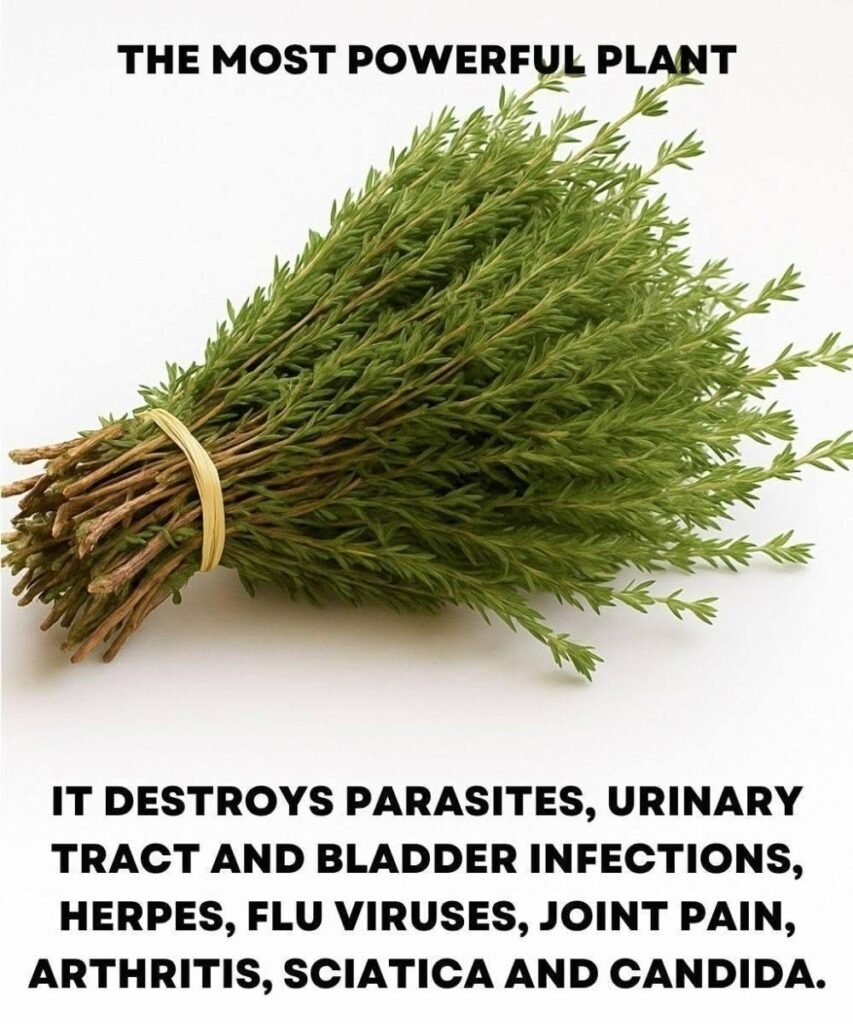
When sensationalized headlines or viral videos claim to feature a single, magical “most potent herb” that simultaneously destroys parasites, urinary tract infections (UTIs), herpes, and flu viruses, it is almost always a piece of exaggerated internet marketing.
In biological reality, no single herb is a universal cure-all for such vastly different organisms. Parasites are complex eukaryotic organisms, UTIs are predominantly bacterial infections, and herpes and the flu are distinct viral pathogens.
However, looking at traditional herbalism and modern pharmacological research, a few heavy-hitting plants are frequently cited in these claims due to their potent biochemical compounds.
1. Oregano / Oregano Oil (Origanum vulgare)
-
Why it’s famous: Often marketed as a natural antibiotic and antiparasitic powerhouse.
-
The active compounds: Oregano oil contains high concentrations of carvacrol and thymol.
-
What science says: Laboratory and animal studies show that carvacrol possesses broad-spectrum antimicrobial properties. It has demonstrated effectiveness against certain bacteria (such as E. coli, the leading cause of UTIs), fungi, and some intestinal parasites in vitro (in petri dishes). However, lab success does not automatically equal a safe, direct human cure for systemic infections.
2. Wormwood (Artemisia annua / Artemisia absinthium)
-
Why it’s famous: Frequently touted as the ultimate parasite and worm destroyer.
-
The active compound: Wormwood contains artemisinin, a powerful compound that revolutionized malaria treatment.
-
What science says: While artemisinin-based therapies are vital pharmaceuticals for treating malaria (a parasitic disease), raw wormwood herbal preparations have high toxicity risks if used improperly. Furthermore, wormwood does not treat viral infections like herpes or the flu.
3. Self-Heal (Prunella vulgaris)
-
Why it’s famous: Highlighted in natural health circles for tackling stubborn viral infections like Herpes Simplex.
-
The active compounds: This plant is rich in water-soluble polysaccharides and rosmarinic acid.
-
What science says: Laboratory studies have indicated that Prunella vulgaris extracts can inhibit viral replication, specifically targeting HSV-1 and HSV-2 by interfering with how the virus attaches to host cells. While fascinating for topical or supportive care, it does not treat bacterial UTIs or parasites.
4. Garlic (Allium sativum)
-
Why it’s famous: The ultimate kitchen remedy for immune support, colds, and flus.
-
The active compound: Allicin, which is formed when raw garlic is crushed, chopped, or chewed.
-
What science says: Allicin exhibits well-documented antibacterial and antiviral characteristics that can support the immune system during seasonal flu outbreaks. However, it cannot eradicate dormant viral reservoirs like herpes or clear an established parasite infection on its own.
Medical Reality Check: Why Targeted Treatment Matters
Relying solely on an internet-hyped herb to treat serious infections can lead to worsening health outcomes:
-
Parasites: Typically require specific prescription antihelmintic or antiprotozoal medications to safely clear from the digestive tract or tissues.
-
UTIs: Caused by bacteria moving into the urinary tract. If left untreated with proper antibiotics, a simple UTI can ascend to the kidneys and lead to dangerous systemic infections (sepsis).
-
Viruses: Influenza and herpes require immune management, vaccines, or specific prescription antiviral medications (such as acyclovir) to manage outbreaks and viral loads effectively.