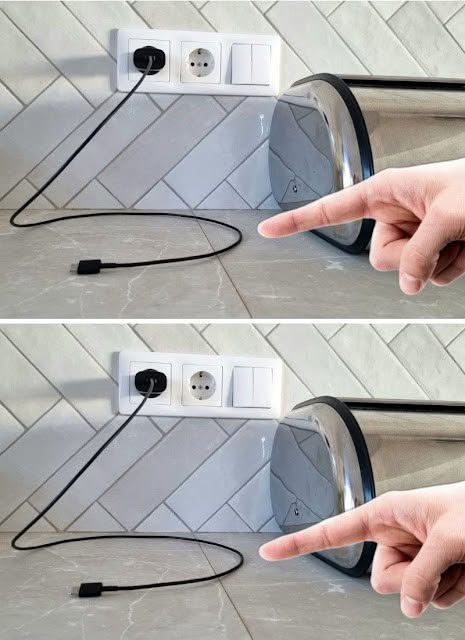

NEVER LEAVE A CHARGER PLUGGED INTO AN OUTLET WITHOUT YOUR PHONE: 3 IMPORTANT REASONS
Many people leave their phone chargers plugged into wall outlets all day, even when their phones are not connected. It may seem harmless, but is it really a good idea?
Although a modern, high-quality charger generally uses very little electricity when left plugged in, there are several reasons why unplugging it when it is not in use can be a sensible habit.
Here are three important things you should know.
1. It Can Still Consume Electricity
Did you know that some phone chargers continue to use a small amount of electricity even when your phone is disconnected?
This is sometimes called standby power or vampire power. Modern chargers are usually designed to minimize this consumption, so the amount used by a single charger is typically very small.
However, if you leave multiple chargers and other electronic devices plugged in around your home, their combined standby consumption can add up over time.
What should you do?
Unplug chargers when you are not using them, especially if you have several chargers connected throughout your home. This simple habit can help reduce unnecessary electricity use.
2. A Damaged Charger Can Create a Safety Risk
Not all chargers are made to the same quality standards. A genuine, undamaged charger from a reputable manufacturer is generally safe when used correctly. However, a damaged, counterfeit, or poorly manufactured charger may pose a greater risk of overheating, electrical faults, or fire.
Potential warning signs include:
- Cracked or damaged casing.
- Frayed wires or exposed electrical components.
- Unusual buzzing, a burning smell, or excessive heat.
- Loose connections or signs of scorching around the plug.
Leaving a faulty charger connected to the electricity supply can expose your home to an avoidable risk, even when your phone is not attached.
What should you do?
Unplug damaged chargers immediately, provided you can do so safely, and replace them with reputable, compatible products. Never handle a charger with wet hands or touch exposed electrical parts.
3. Unplugging Helps Reduce Avoidable Electrical Risks
Power outlets and electrical equipment can be affected by faulty wiring, loose connections, and electrical surges. Although a properly designed charger has protective circuitry, no electrical device is completely immune to failure.
Unplugging an unused charger removes that device from the mains supply and eliminates the risks associated with leaving that particular charger energized.
This can be especially useful when leaving home for an extended period or when a charger is old, damaged, or of uncertain quality.
What should you do?
- Use chargers that meet applicable safety standards.
- Keep chargers away from water and excessive heat.
- Avoid overloading outlets and extension leads.
- Unplug unused chargers when practical, particularly before extended trips.
- Have damaged outlets or suspicious electrical wiring checked by a qualified electrician.
Should You Always Unplug Your Phone Charger?
Not necessarily. A modern, certified charger in good condition does not automatically become dangerous simply because it remains plugged in without a phone.
The actual risk depends on the charger’s quality, condition, electrical installation, and environment. The electricity consumed by an unloaded modern charger is generally minimal.
Nevertheless, unplugging a charger when it is not needed is a reasonable precaution that can reduce standby electricity consumption and remove an unnecessary electrical device from the mains supply.
Final Thoughts
Leaving a phone charger plugged into an outlet without your phone is not always dangerous, but unplugging unused chargers is a sensible habit.
Remember these three main points:
- Save a little electricity by reducing unnecessary standby consumption.
- Reduce avoidable safety risks by removing damaged or faulty chargers from the power supply.
- Take sensible electrical precautions when leaving home or when a charger is not needed.
A small everyday habit can help you use electricity more responsibly and keep your home electrical equipment in better condition.