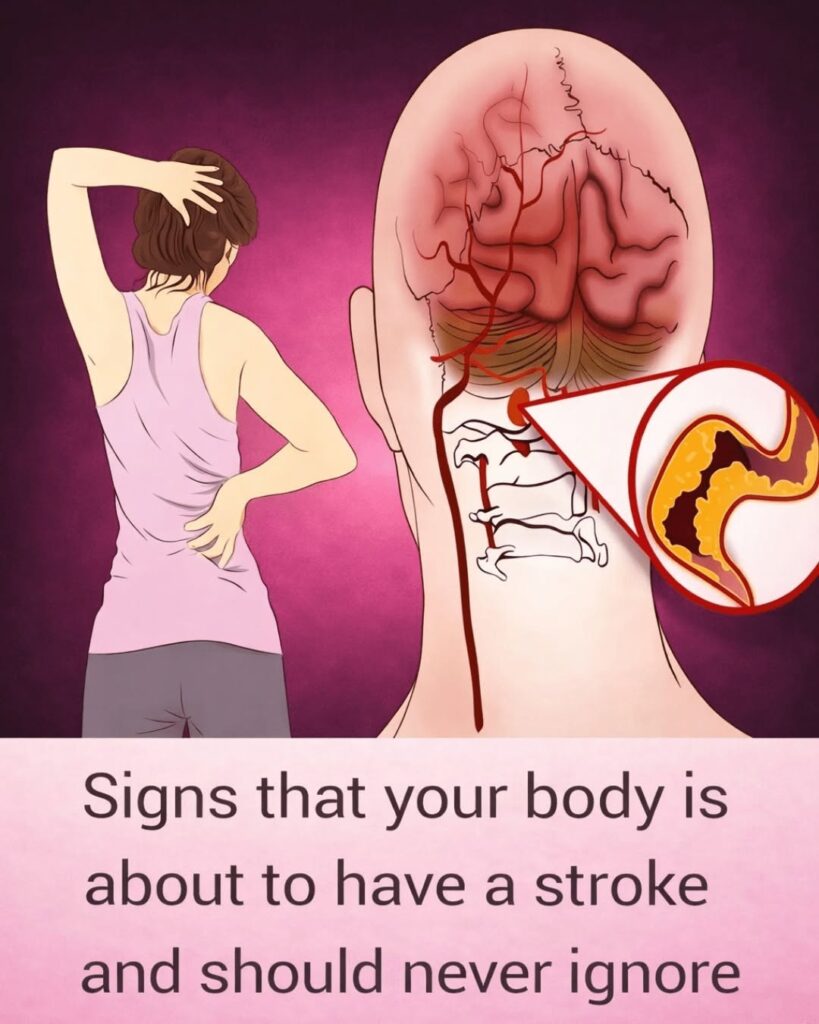

10 Early Warning Signs of a Stroke Everyone Should Know
A stroke can happen suddenly, and every minute matters. There isn’t a reliable list of symptoms that predicts a stroke days or weeks in advance. Instead, the key is recognizing sudden changes that could indicate a stroke or transient ischemic attack (TIA) and getting emergency help immediately.
10 Warning Signs to Know
-
Sudden numbness or weakness
Especially in the face, arm, or leg, particularly on one side of the body. -
Sudden facial drooping
One side of the face may feel numb or appear uneven when smiling. -
Sudden trouble speaking
Speech may become slurred, confused, or difficult to produce. -
Sudden difficulty understanding speech
A person may struggle to understand what others are saying. -
Sudden vision problems
This can include blurred or double vision or sudden loss of vision in one or both eyes. -
Sudden dizziness or loss of balance
Particularly when it occurs unexpectedly or alongside other neurological symptoms. -
Sudden difficulty walking or coordinating movements
Unsteadiness or inability to control an arm or leg can be a warning sign. -
Sudden severe headache
An abrupt, unusually severe headache—especially with vomiting, confusion, or neurological symptoms—needs emergency assessment. -
Sudden confusion
New difficulty thinking clearly, responding appropriately, or understanding what is happening. -
Symptoms that disappear after a few minutes
Don’t assume everything is fine if stroke-like symptoms go away. A TIA (“mini-stroke”) is a medical emergency and can be a warning of a future stroke.
Remember BE FAST
A simple way to remember some major stroke symptoms is:
-
B — Balance: sudden loss of balance or coordination
-
E — Eyes: sudden vision changes
-
F — Face: facial drooping
-
A — Arm: sudden weakness or numbness
-
S — Speech: sudden speech difficulty
-
T — Time: call emergency services immediately
What to Do
If any of these symptoms appear suddenly, don’t wait to see whether they improve and don’t drive the person yourself if emergency transport is available. Note when the symptoms started or when the person was last known to be normal and tell the emergency team.
Bottom Line
The most important “early warning” isn’t a symptom that appears a month beforehand. It’s sudden neurological changes, even if they disappear. Rapid medical assessment can determine whether the event is a stroke or TIA and whether emergency treatment is needed.