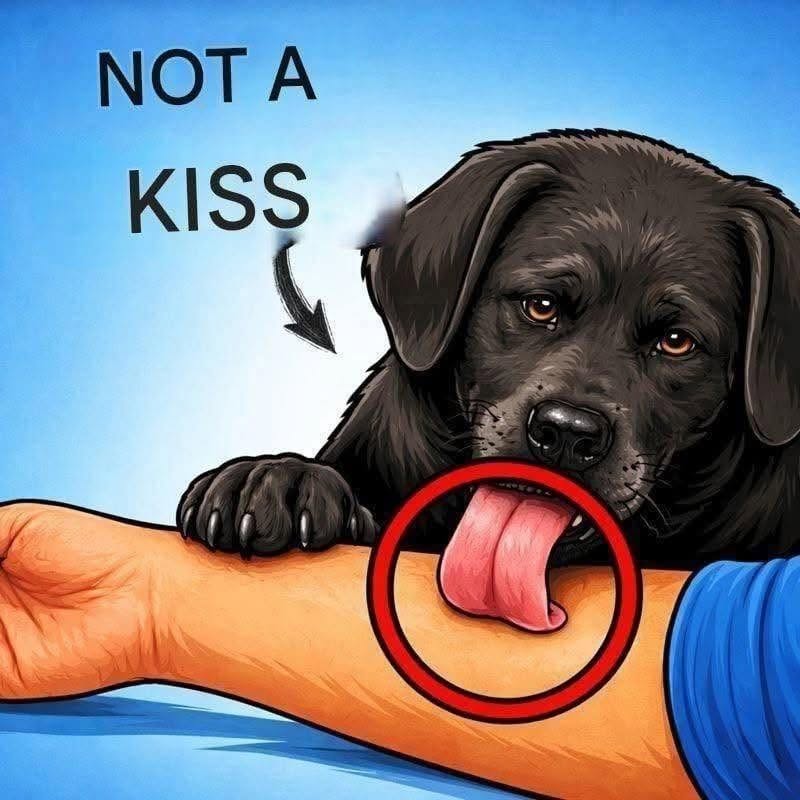

Do Dogs Lick You? Here’s What It Means
If your dog frequently licks your hands, face, or feet, it can have several meanings. Licking is a normal form of canine communication, but the reason can vary depending on the situation.
1. Showing Affection
Dogs may lick people they feel comfortable and attached to. Licking can be one way a dog seeks social interaction and shows friendliness.
2. Getting Your Attention
If you react whenever your dog licks you—by talking, petting, or looking at them—the dog may learn that licking gets your attention and repeat the behavior.
3. Exploring Your Scent and Taste
Dogs have a powerful sense of smell and use their mouths to explore their environment. Skin can also contain traces of salt from sweat, which may make certain areas interesting to them.
4. Seeking Comfort
Some dogs lick when they are relaxed or seeking reassurance from a person they trust. You may notice this especially when the dog is resting beside you or experiencing an unfamiliar situation.
5. Greeting You
A dog may lick you when you return home or approach them as part of a greeting ritual. This behavior can be especially common in dogs that have learned that licking receives a positive response.
6. It Can Sometimes Signal Stress
Repeated or excessive licking isn’t always affection. Dogs may lick people, themselves, or objects more frequently when they are anxious, bored, uncomfortable, or stressed.
7. Pay Attention to Sudden Changes
If a dog suddenly begins licking excessively, particularly along with whining, pacing, changes in appetite, vomiting, skin problems, or other unusual behavior, a veterinarian can help determine whether an underlying problem is present.
Should You Let Your Dog Lick Your Face?
It’s generally better to avoid letting dogs lick your eyes, nose, mouth, or open wounds. Dogs can carry bacteria and other microorganisms in their mouths, even when they appear healthy. Washing your hands after handling a dog is a simple hygiene precaution.
Bottom Line
When a dog licks you, it may be expressing affection, seeking attention, greeting you, exploring your scent, or simply communicating in a normal canine way. The surrounding behavior and circumstances are important when figuring out what your dog is trying to tell you.