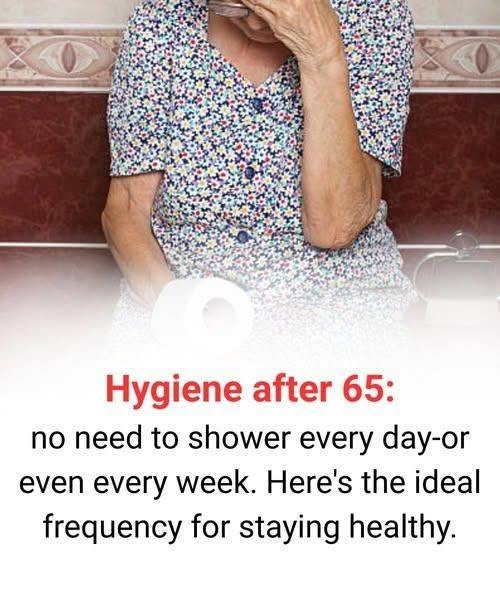

Why Daily Showers After 65 May Do More Harm Than Good
Taking a shower every day is not automatically harmful after age 65. However, older skin often becomes thinner and drier, and frequent exposure to hot water and harsh soaps can make dryness and irritation worse.
1. Hot Water Can Dry Out the Skin
As people age, the skin tends to produce less natural oil. Long, hot showers can wash away some of those protective oils, leaving the skin feeling tight, itchy, flaky, or irritated.
Lukewarm water is generally gentler than very hot water.
2. Strong Soaps Can Cause Irritation
Using heavily fragranced soaps or harsh cleansers over the entire body every day may increase dryness. A gentle, fragrance-free cleanser can be a better choice, particularly for sensitive skin.
You don’t necessarily need to scrub every part of your body vigorously every day.
3. Long Showers Can Make Dryness Worse
The longer the skin is exposed to hot water, the more likely it is to become dry and uncomfortable. Keeping showers relatively short can help.
After bathing, gently pat the skin dry rather than rubbing it vigorously, then apply a moisturizer while the skin is still slightly damp.
4. Shower Frequency Depends on the Person
There isn’t a universal rule that everyone over 65 should shower less often. Personal hygiene needs vary depending on activity, sweating, weather, skin condition, mobility, and personal preference.
Someone who exercises or sweats heavily may need more frequent bathing, while another person may be comfortable with less frequent full-body showers.
5. Safety in the Bathroom Matters
For older adults, shower safety can be just as important as skin care. Wet floors can increase the risk of slipping and falling. Grab bars, nonslip surfaces, adequate lighting, and a stable shower seat can make bathing safer when needed.
The Bottom Line
Daily showers aren’t inherently bad after 65. The bigger concerns are very hot water, long showers, harsh cleansers, and dry skin. A shorter lukewarm shower, gentle cleansing, regular moisturizing, and a safe bathroom setup can help protect both skin and overall safety.