
After Gallbladder Removal: 3 Possible Problems to Know About
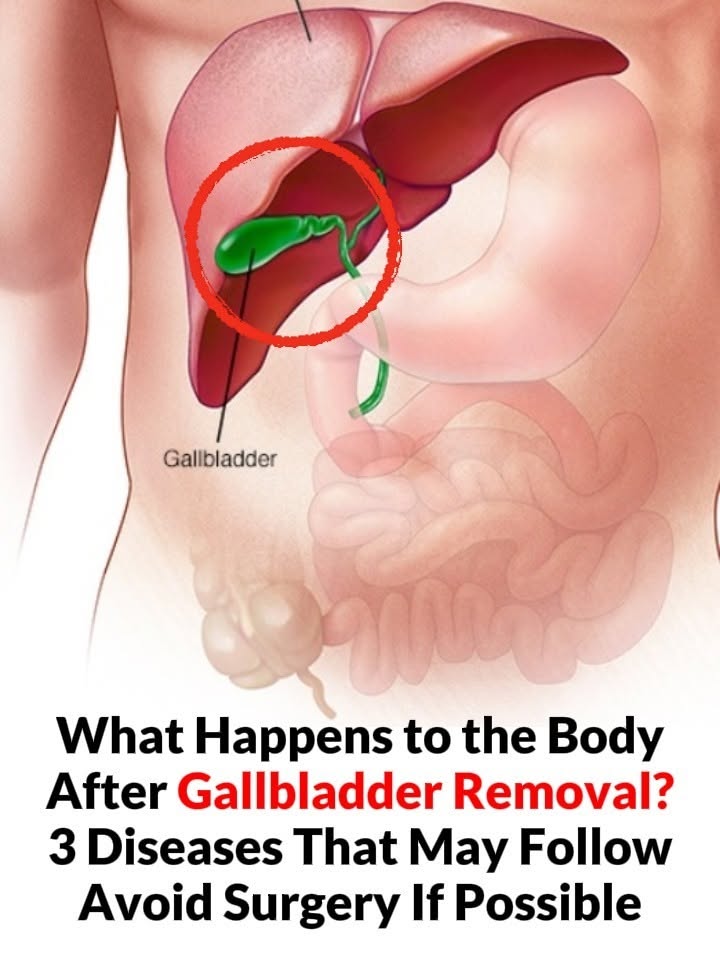
Gallbladder removal, or cholecystectomy, is a common operation used to treat problems such as symptomatic gallstones, repeated gallbladder inflammation, and certain complications involving the bile ducts.
Most people adjust well and can live normally without a gallbladder. However, some people experience digestive symptoms or other complications after surgery.
1. Ongoing Diarrhea
Some people develop loose or more frequent stools after gallbladder removal. Without the gallbladder, bile flows continuously from the liver into the intestine instead of being stored and released with meals.
In some people, excess bile reaching the intestine contributes to bile acid diarrhea. This can often be treated once the underlying cause is identified.
Persistent diarrhea should not simply be accepted as something that must last forever. A healthcare professional can evaluate it and recommend appropriate treatment.
2. Indigestion, Gas, or Bloating
Some people notice bloating, abdominal discomfort, indigestion, or difficulty tolerating particularly fatty meals after surgery.
These symptoms may improve as the digestive system adjusts. Eating smaller meals and limiting very greasy foods may help some people.
Persistent or severe digestive symptoms should be evaluated because they can have causes unrelated to gallbladder removal.
3. Bile Duct or Retained-Stone Problems
Occasionally, a gallstone can remain in the bile duct or another complication can develop after surgery. Problems involving the bile ducts can cause abdominal pain, jaundice, fever, nausea, or abnormal liver tests.
These symptoms require medical assessment rather than being assumed to be a normal consequence of surgery.
Does Gallbladder Removal Cause Serious Diseases?
There is no reliable rule that gallbladder removal causes three specific diseases in everyone who has the operation.
Studies have examined possible long-term associations with various digestive and metabolic conditions, but an association does not prove that surgery directly caused the condition. People who need gallbladder surgery may already have underlying health problems that influence their later health.
Should You Avoid the Surgery?
Not necessarily.
Someone with gallstones that cause no symptoms may not need immediate surgery. However, people with repeated painful attacks, acute inflammation, infection, certain bile-duct problems, or other complications may be advised to have their gallbladder removed because leaving the underlying problem untreated can itself carry risks.
The decision should be based on the individual’s diagnosis, symptoms, overall health, and the potential benefits and risks of treatment.
When to Seek Medical Care
After gallbladder removal, seek medical attention for severe or worsening abdominal pain, persistent vomiting, fever, yellowing of the skin or eyes, unusually dark urine, pale stools, or significant ongoing diarrhea.
The Bottom Line
Gallbladder removal does not automatically lead to serious disease. Most people live normally without a gallbladder, although some experience temporary or persistent digestive symptoms. Whether surgery is appropriate depends on the underlying gallbladder problem—not simply on age or fear of possible side effects.
If surgery has been recommended, ask the healthcare professional why it is needed, what alternatives exist, and what could happen if the underlying gallbladder condition is left untreated.