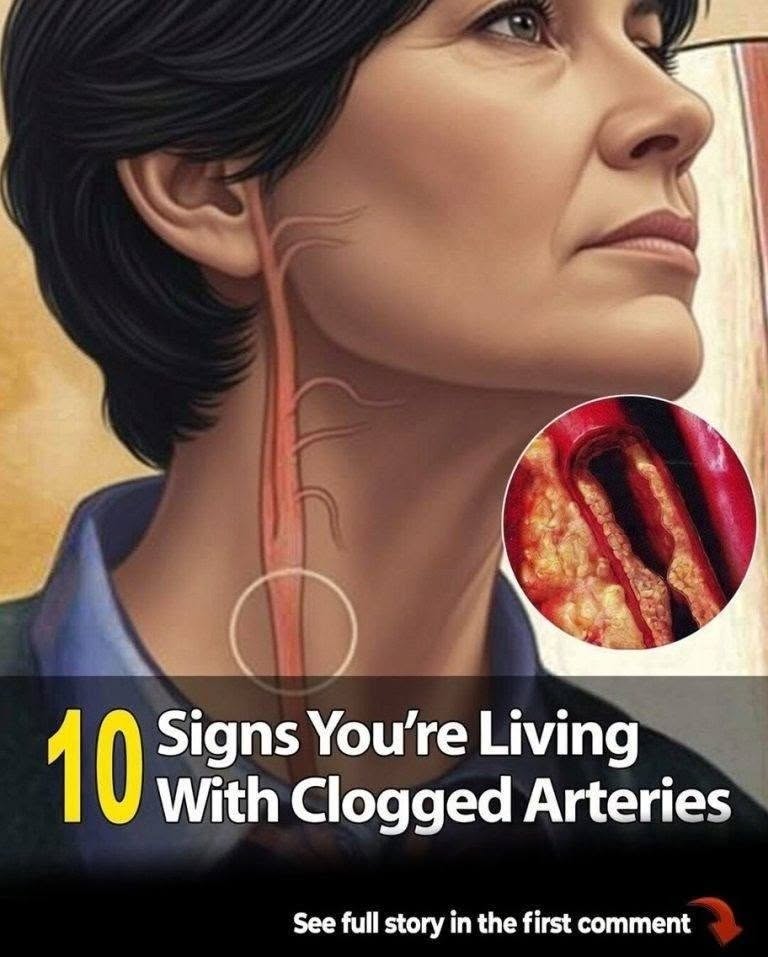

10 Warning Signs of Blocked Arteries You Shouldn’t Ignore
Blocked arteries, usually caused by atherosclerosis, can develop gradually without obvious symptoms. Symptoms depend on which arteries are affected. Importantly, many people have no warning signs until blood flow is significantly reduced.
1. Chest Pressure or Pain
Pressure, squeezing, heaviness, or discomfort in the chest—particularly during exertion—can indicate reduced blood flow to the heart.
2. Shortness of Breath
Getting unusually breathless during activities that previously felt easy can sometimes occur when the heart isn’t receiving enough blood.
3. Pain Spreading to the Arm, Shoulder, Jaw, or Back
Heart-related discomfort can sometimes occur outside the chest, including in the arm, shoulder, neck, jaw, or upper back.
4. Leg Pain When Walking
Pain, cramping, or heaviness in the calf, thigh, or buttock that appears with walking and improves after resting can be a sign of peripheral artery disease (PAD).
5. Cold Feet or Hands
Reduced circulation can make an extremity feel unusually cold compared with the other side.
6. Numbness or Weakness
Reduced blood flow can sometimes cause numbness, weakness, or unusual sensations, particularly in an affected limb.
7. Slow-Healing Wounds on the Feet or Legs
Poor circulation can make cuts or sores on the lower extremities heal slowly and increases the risk of complications.
8. Changes in Skin Color
A foot or leg may become unusually pale, bluish, or discolored when circulation is significantly impaired.
9. Erectile Dysfunction
In some men, erectile dysfunction can be associated with blood-vessel disease and may sometimes occur before other cardiovascular symptoms.
10. Sudden Neurological Symptoms
A blocked or narrowed artery supplying the brain can contribute to a stroke or transient ischemic attack (TIA). Sudden facial drooping, arm weakness, speech difficulty, vision problems, severe dizziness, or loss of balance requires emergency attention.
🚨 Don’t Wait for a Warning Sign
Some of the most dangerous artery blockages produce little or no warning beforehand. Risk is increased by factors such as smoking, high blood pressure, high LDL cholesterol, diabetes, obesity, and a family history of cardiovascular disease.
Call your local emergency service immediately if you develop sudden chest pressure/pain, severe difficulty breathing, fainting, or symptoms suggestive of a stroke. Don’t try to treat potentially serious symptoms with a home remedy.
If you’re concerned about blocked arteries, a clinician can assess your cardiovascular risk and determine whether blood-pressure checks, cholesterol testing, diabetes testing, or other investigations are appropriate.