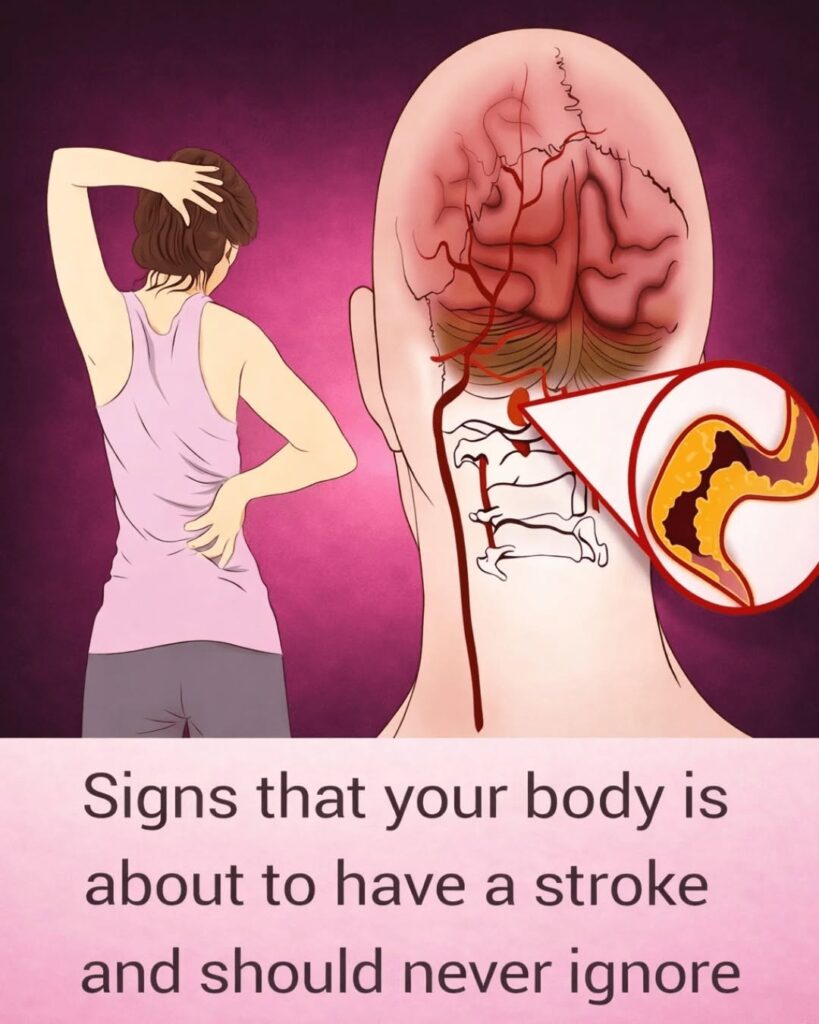

10 Early Warning Signs of a Stroke Everyone Should Know
A stroke can happen suddenly when blood flow to part of the brain is blocked or when a blood vessel in the brain bleeds. Recognizing the warning signs quickly is important because rapid medical treatment can reduce the risk of lasting brain injury and disability.
1. Sudden Numbness or Weakness
One of the most common warning signs is sudden weakness or numbness, especially affecting the face, arm, or leg on one side of the body.
2. A Drooping Face
One side of the face may suddenly droop or feel numb. Ask the person to smile. An uneven smile can be an important warning sign.
3. Trouble Speaking
Speech may suddenly become slurred, unclear, or difficult to understand. A person may also have trouble finding or forming the right words.
4. Difficulty Understanding Speech
A person experiencing a stroke may suddenly seem confused or have difficulty understanding what others are saying.
5. Sudden Vision Problems
A stroke can cause sudden blurred or double vision or loss of vision in one or both eyes. New vision changes should be taken seriously, particularly when they appear suddenly.
6. Sudden Trouble Walking
A person may suddenly become unsteady, dizzy, or unable to coordinate their movements normally. They may have difficulty walking without support.
7. Sudden Loss of Balance or Coordination
Unexpected difficulty maintaining balance or coordinating the arms and legs can occur during a stroke.
8. A Sudden, Severe Headache
A sudden, unusually severe headache—especially one that occurs without an obvious explanation—can be a warning sign, particularly if it occurs along with other neurological symptoms.
9. Sudden Confusion
A person may suddenly become disoriented, confused, or unable to communicate normally. A noticeable change in mental awareness can accompany a stroke.
10. Sudden Difficulty Swallowing
Some strokes can affect the muscles involved in swallowing. New difficulty swallowing, especially when combined with weakness, speech problems, or facial drooping, requires urgent medical attention.
Remember FAST
A simple way to recognize several major stroke symptoms is FAST:
F — Face: Does one side of the face droop?
A — Arms: Is one arm weak or numb?
S — Speech: Is speech slurred, strange, or difficult to understand?
T — Time: If these symptoms appear suddenly, seek emergency medical help immediately.
Don’t Wait for Symptoms to Disappear
Stroke symptoms can sometimes improve or disappear after a short period. This may happen with a transient ischemic attack (TIA), sometimes called a “mini-stroke.” A TIA is still an emergency warning that requires prompt medical evaluation.
If someone suddenly develops possible stroke symptoms, call your local emergency medical service immediately rather than driving them yourself or waiting to see whether the symptoms improve.
Remember the approximate time the symptoms began, because this information can help medical professionals determine appropriate treatment.
Bottom Line
The most important thing to remember is that stroke symptoms are often sudden. Facial drooping, one-sided weakness or numbness, speech difficulty, sudden vision problems, loss of balance, confusion, or an unexplained severe headache should never be ignored.
When a stroke is suspected, every minute matters. Prompt emergency evaluation gives the medical team the best opportunity to determine what is happening and provide appropriate treatment.