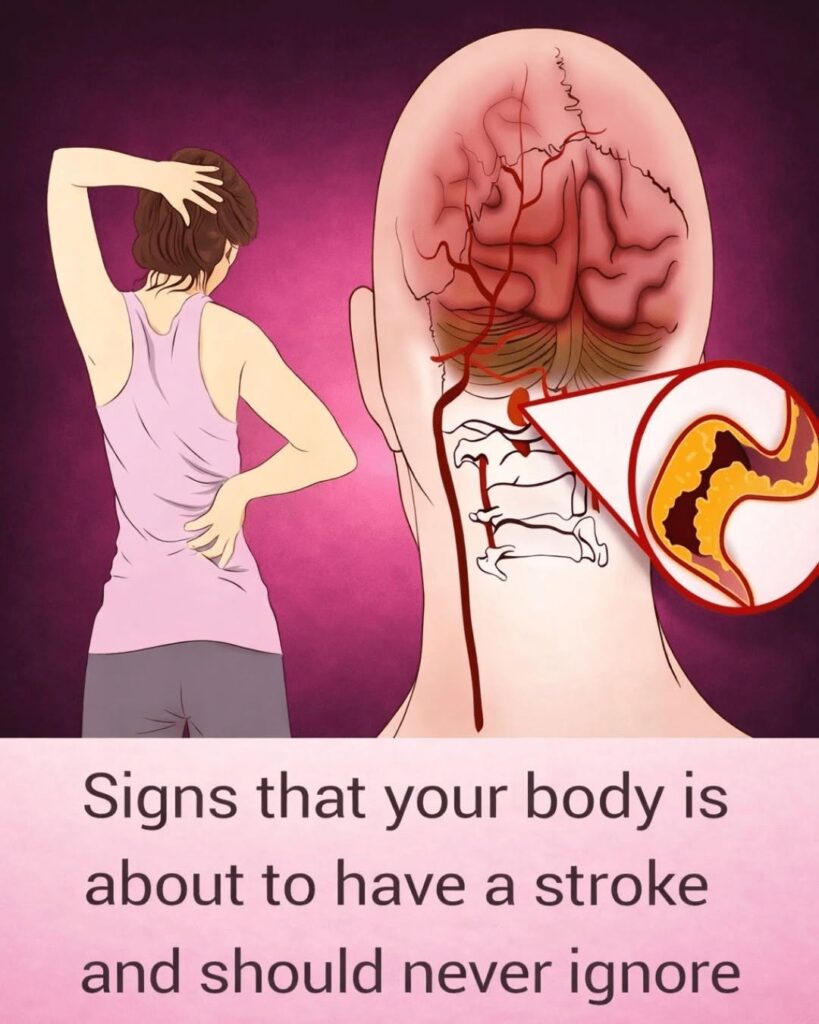

10 Early Warning Signs of a Stroke Everyone Should Know to Take Prompt Action
A stroke happens when blood flow to part of the brain is interrupted or when a blood vessel in the brain bleeds. Fast treatment can reduce brain damage and disability, so stroke symptoms should be treated as an emergency.
1. Sudden Facial Drooping
One side of the face may suddenly become weak or numb. Ask the person to smile and look for an uneven smile or drooping on one side.
2. Sudden Weakness or Numbness
Sudden weakness or numbness, particularly in the face, arm, or leg on one side of the body, is a major warning sign.
3. Trouble Speaking
A person may suddenly slur their speech, have difficulty finding words, or be unable to speak clearly.
4. Difficulty Understanding Speech
Someone experiencing a stroke may suddenly have trouble understanding what other people are saying, even though they were communicating normally beforehand.
5. Sudden Vision Problems
A stroke can cause sudden blurred or lost vision in one or both eyes, or double vision.
6. Sudden Severe Headache
A sudden, extremely severe headache—especially when it is unlike previous headaches—can be a warning sign of a brain hemorrhage and requires emergency assessment.
7. Sudden Dizziness or Loss of Balance
Unexpected dizziness, difficulty walking, loss of coordination, or severe imbalance can occur during a stroke.
8. Sudden Confusion
A person may suddenly become confused, disoriented, or unable to understand what is happening around them.
9. Sudden Difficulty Walking
New difficulty walking, stumbling, or losing coordination can indicate a problem affecting the brain.
10. Sudden Difficulty Swallowing
Some strokes can cause problems controlling the muscles needed for swallowing, sometimes accompanied by facial weakness or speech difficulties.
Remember FAST
A simple way to recognize common stroke symptoms is:
-
F — Face: Is one side of the face drooping?
-
A — Arms: Can the person raise both arms equally?
-
S — Speech: Is speech slurred, strange, or difficult?
-
T — Time: Call emergency medical services immediately.
Don’t wait to see whether symptoms disappear. Even if symptoms improve or completely disappear, they could represent a transient ischemic attack (TIA), sometimes called a “mini-stroke,” which requires urgent medical evaluation.
What to Do
If you suspect a stroke, call your local emergency medical service immediately and note the time the symptoms started, or the last time the person was known to be normal. Don’t drive the person yourself if emergency medical transport is available.
Every minute matters. Stroke treatment is time-sensitive, and some treatments are only effective within specific time windows.