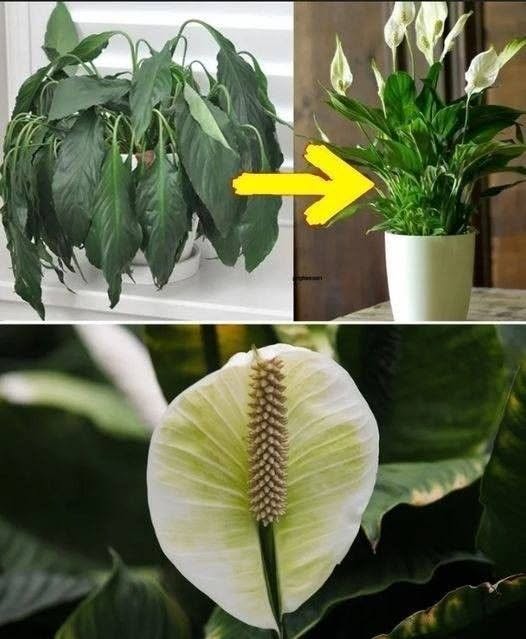

1 Tablespoon Directly Into the Pot and My Plant Bloomed Beautifully Again
When a flowering houseplant stops blooming, it can be tempting to add a kitchen ingredient directly to the soil. However, concentrated ingredients can damage roots, so there is no universal “one tablespoon” trick that guarantees flowers.
A Safer Option: Compost
For plants that tolerate organic matter, a small amount of well-finished compost can gently improve the soil.
Mix about 1 tablespoon of finished compost into the top layer of soil around a medium-sized houseplant, keeping it away from the stem. Water normally afterward.
Why It Can Help
Compost adds organic matter and small amounts of nutrients that support healthy root growth. Healthy roots can help a plant produce stronger leaves and flowers when its other needs are also being met.
The Bigger Secret to More Flowers
Give the plant the right light: Most flowering houseplants need adequate bright, indirect light.
Water appropriately: Keep the soil suited to the plant’s needs, but avoid constantly waterlogged roots.
Provide drainage: Pots should have drainage holes so excess water can escape.
Feed when needed: During active growth, a balanced fertilizer formulated for the particular plant can provide more predictable nutrition than homemade mixtures.
Avoid Strong Kitchen Ingredients
Don’t put concentrated salt, baking soda, vinegar, or other household ingredients directly into plant soil. They can alter the soil and damage roots.
Bottom line: A tablespoon of finished compost may support healthy soil, but there is no magic ingredient that guarantees continuous blooming. Proper light, watering, drainage, and appropriate nutrition are the real foundation of a healthy flowering plant.