
What Happens to the Body After Gallbladder Removal? 3 Conditions That May Occur
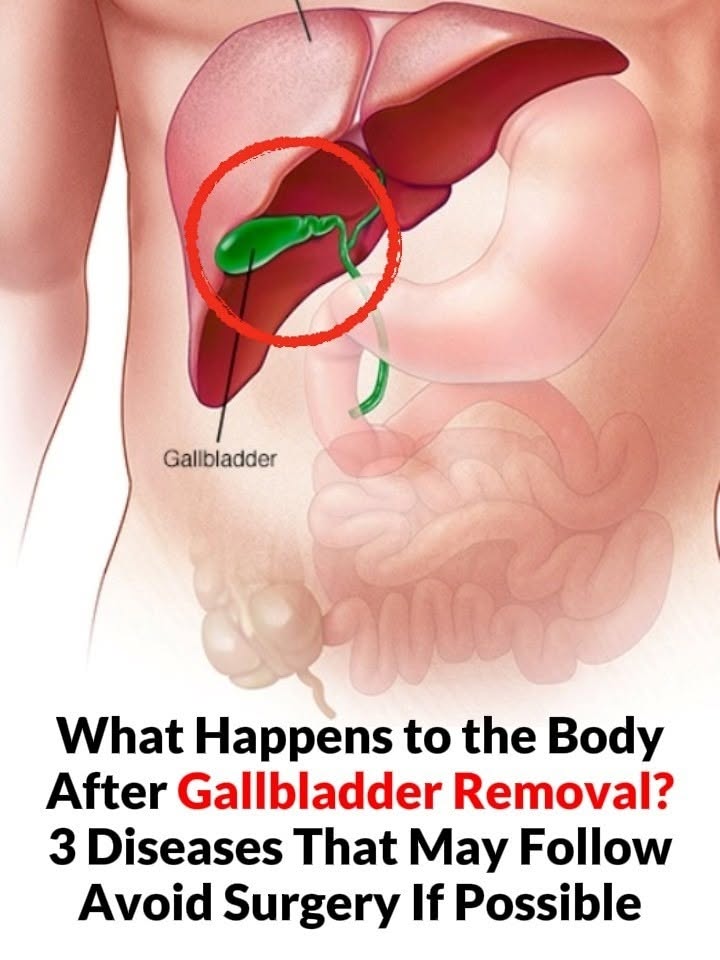
Gallbladder removal, called a cholecystectomy, is a common operation. Most people can live normally without a gallbladder because the liver continues to produce bile. The gallbladder mainly stores and concentrates bile until it is needed for digestion.
The claim that gallbladder removal inevitably causes three diseases is misleading. However, some people do experience digestive changes or complications after surgery.
1. Diarrhea and More Frequent Bowel Movements
After the gallbladder is removed, bile flows continuously from the liver into the intestine instead of being stored in the gallbladder.
For some people, this can temporarily contribute to looser or more frequent stools, particularly after fatty meals. Symptoms often improve as the digestive system adjusts.
2. Bloating and Indigestion
Some people experience bloating, gas, abdominal discomfort, or indigestion after surgery. Large or very fatty meals may be harder to tolerate during the recovery period.
Eating smaller meals and gradually returning to a normal diet may help.
3. Bile Reflux or Ongoing Abdominal Symptoms
A smaller number of people can experience bile reflux or continuing abdominal discomfort after gallbladder removal. Persistent symptoms may also have another cause, such as acid reflux, irritable bowel syndrome, retained bile duct stones, or another digestive condition.
These symptoms should be evaluated rather than automatically blaming the surgery.
Should You Avoid Gallbladder Surgery?
Not necessarily. Surgery may be recommended when gallstones cause repeated painful attacks, inflammation of the gallbladder, complications involving the bile ducts, or other significant problems.
For someone with gallstones that cause no symptoms, immediate surgery may not always be necessary. The appropriate decision depends on the individual’s diagnosis, symptoms, medical history, and risk of complications.
When to Seek Medical Attention
After gallbladder surgery, severe or worsening abdominal pain, persistent vomiting, fever, yellowing of the skin or eyes, or significant swelling should be medically evaluated.
Bottom line: Most people adjust well after gallbladder removal and can live healthy lives without a gallbladder. Some experience diarrhea, bloating, indigestion, or other digestive symptoms, but surgery does not automatically cause three specific diseases. Whether surgery is appropriate should be decided with a healthcare professional based on the underlying gallbladder problem.