
WARNING: Stop Taking These Pills If You Have High Blood Pressure—But Check This First
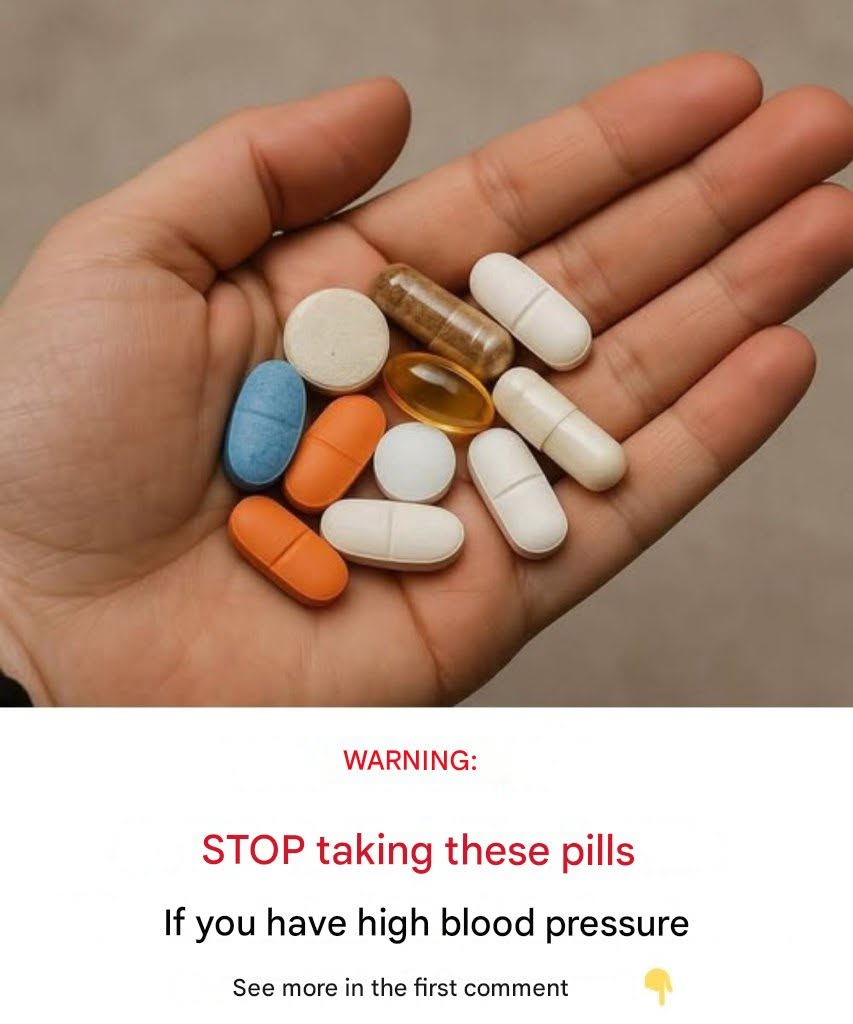
If you have high blood pressure, some commonly used pills can make your blood pressure harder to control. This is especially important with certain over-the-counter pain relievers, cold medicines, prescription drugs, and supplements.
But there’s one crucial rule: never stop a prescribed medication suddenly just because you read a warning online. Talk with your doctor or pharmacist first. www.heart.org
1. Decongestant Pills
Some cold and sinus medicines contain decongestants such as pseudoephedrine or phenylephrine. These drugs can constrict blood vessels and raise blood pressure. People with hypertension should ask a healthcare professional before using them. www.heart.org+1
2. Ibuprofen and Other NSAIDs
Painkillers such as ibuprofen and naproxen can increase blood pressure in some people and can also interfere with the effectiveness of certain blood-pressure medicines. www.heart.org+1
If you regularly need pain medication, ask your doctor or pharmacist which option is appropriate for you.
3. Certain Steroid Medicines
Systemic corticosteroids such as prednisone and methylprednisolone can raise blood pressure. However, these medications may be medically necessary, so they should not simply be discontinued without medical advice. www.heart.org
4. Some Antidepressants
Certain antidepressant medications can affect blood pressure. If your blood pressure has become difficult to control after starting or changing an antidepressant, tell your prescriber rather than stopping it yourself. www.heart.org
5. Certain Stimulants and Weight-Loss Medicines
Some stimulant-containing medicines and diet pills can increase blood pressure. The American Heart Association lists stimulants and certain diet pills among substances that can raise blood pressure. www.heart.org
6. Some Herbal Supplements
“Natural” doesn’t necessarily mean blood-pressure friendly. Products containing ephedra/Ma Huang and natural licorice, for example, can raise blood pressure. www.heart.org+1
7. Sodium-Containing Medicines
Some effervescent or combination medicines contain significant amounts of sodium. Excess sodium can make blood pressure more difficult to control, so check medication labels when possible. www.heart.org
What Should You Do?
Before taking a new over-the-counter medicine, check the active ingredients, especially if you already take medication for hypertension.
Keep your doctor or pharmacist informed about:
-
Prescription medications
-
Over-the-counter painkillers
-
Cold and allergy medicines
-
Vitamins and supplements
-
Herbal products
Using one pharmacy for your medications can also help identify potential drug interactions. www.heart.org
Most Important: Don’t Stop Your Blood-Pressure Medicine
The warning in this article does not mean you should stop taking your prescribed hypertension medication.
Blood-pressure medicines are specifically used to lower your risk from uncontrolled hypertension, and suddenly stopping some medicines can be dangerous. The American Heart Association recommends never stopping or changing prescribed medication without first consulting your healthcare professional. www.heart.org+1
Bottom Line
The real danger isn’t that every “pill” is bad for someone with high blood pressure. The concern is that certain medications can raise blood pressure or interfere with treatment.
Before taking something new—or stopping something you’re already taking—check with your doctor or pharmacist.
If blood pressure reaches 180/120 mm Hg or higher, repeat the measurement after a short rest. If it remains that high and you have symptoms such as chest pain, difficulty breathing, weakness or numbness, vision changes, or difficulty speaking, seek emergency medical care immediately. www.heart.org