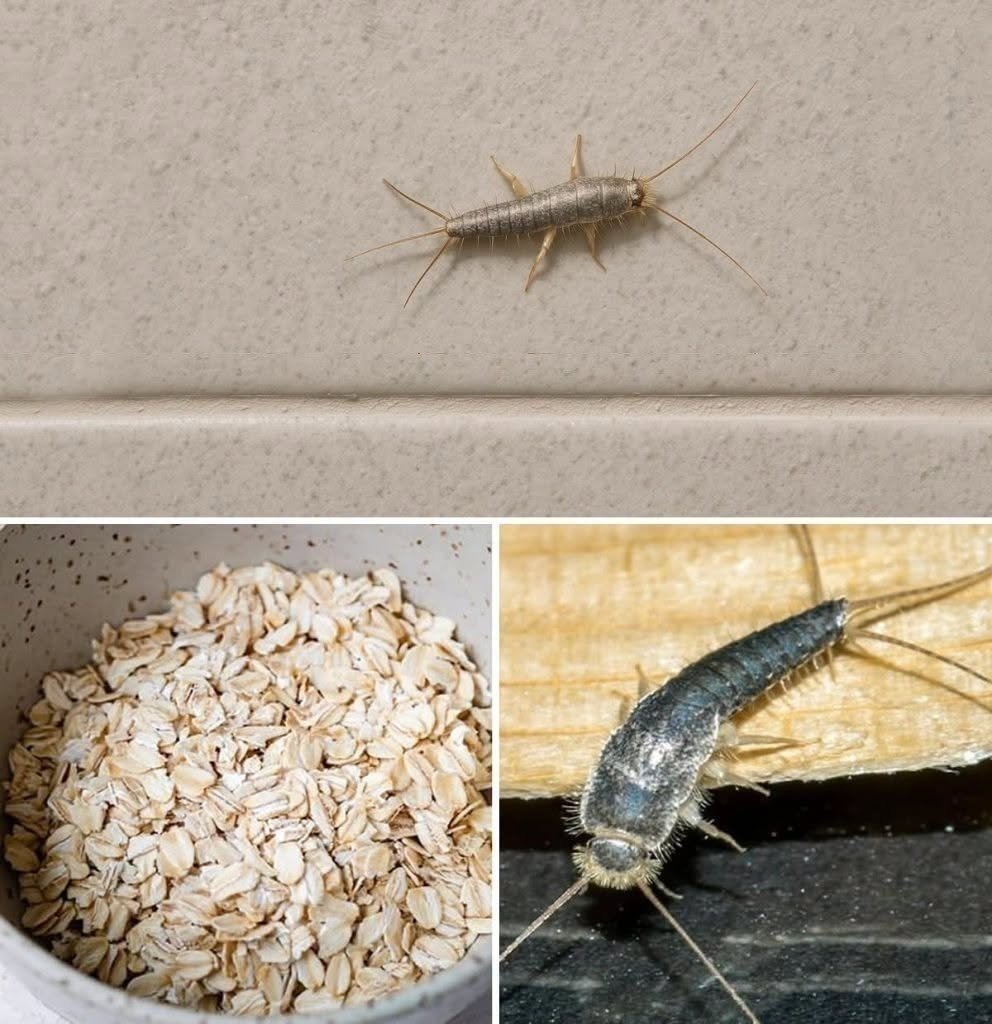

Have you ever noticed a tiny, silvery insect moving quickly across your bathroom floor, kitchen, cupboard, or bedroom? It may be a silverfish.
Silverfish are small, wingless insects with shiny, silver-grey bodies and long antennae. They move quickly and often hide in dark, damp places.
Although they are generally not dangerous to humans, finding them inside your home can be a reason to investigate moisture problems, hidden leaks, and areas where they can find food and shelter.
1. What Are Silverfish?
Silverfish are small insects belonging to the order Zygentoma.
They typically have:
-
Silver or grey bodies.
-
Flat, elongated shapes.
-
Long antennae.
-
Three tail-like appendages.
-
Fast, fish-like movements.
Most silverfish are approximately 12–19 millimetres long.
They are usually active at night and prefer dark, quiet locations.
2. Finding Silverfish May Indicate Excess Moisture
Silverfish prefer humid environments.
You may find them in:
-
Bathrooms.
-
Kitchens.
-
Basements.
-
Laundry rooms.
-
Under sinks.
-
Around leaking pipes.
-
Damp storage cupboards.
Their presence may indicate that certain areas of your home provide suitable humidity and shelter.
However, finding one silverfish does not automatically mean you have a serious moisture problem.
3. Check for Hidden Water Leaks
Silverfish can hide in places where moisture accumulates.
Inspect:
-
Pipes beneath kitchen sinks.
-
Bathroom plumbing.
-
Areas around toilets.
-
Washing machine connections.
-
Damp corners.
-
Areas behind refrigerators.
Look for water stains, peeling paint, musty smells, and damp surfaces.
Repairing leaks can make your home less attractive to silverfish.
4. Silverfish Can Damage Books and Important Documents
One reason homeowners dislike silverfish is their feeding behaviour.
They consume materials containing starches and carbohydrates.
These may include:
-
Paper.
-
Books.
-
Cardboard.
-
Wallpaper paste.
-
Photographs.
-
Stored documents.
-
Certain fabrics containing natural starches.
Over time, silverfish can damage books, paper collections, and stored household items.
Keep valuable documents in dry, sealed storage containers.
5. They May Hide Inside Closets and Wardrobes
Silverfish sometimes enter clothing storage areas because they provide darkness, shelter, and access to suitable food sources.
They may damage:
-
Starched clothing.
-
Paper packaging.
-
Natural-fibre materials.
-
Stored fabrics with food or starch residues.
Wash clothes before storing them for long periods and keep wardrobes dry and organised.
6. Silverfish Usually Do Not Bite Humans
An important fact is that silverfish are not considered dangerous household pests in the same way as mosquitoes, ticks, or certain biting insects.
They generally:
-
Do not bite people.
-
Do not sting.
-
Are not known to transmit human diseases.
-
Prefer hiding rather than interacting with people.
However, large infestations can damage household belongings and may be unpleasant.
7. Why Do Silverfish Enter Your Home?
Several environmental conditions can attract them.
Common contributing factors include:
-
High indoor humidity.
-
Leaking plumbing.
-
Poor ventilation.
-
Damp cardboard boxes.
-
Cluttered storage spaces.
-
Crumbs and food residue.
-
Accumulated paper and books.
Silverfish may also enter through small gaps, cracks, and openings around doors or plumbing.
8. How to Get Rid of Silverfish Naturally
You can make your home less attractive to silverfish through simple maintenance.
Reduce humidity: Use ventilation fans in bathrooms and kitchens. A dehumidifier may help in persistently damp rooms.
Repair leaks: Fix dripping taps, leaking pipes, and water-damaged areas.
Vacuum regularly: Clean corners, cupboard edges, floor gaps, and spaces behind furniture.
Remove clutter: Reduce unnecessary cardboard boxes, old newspapers, and unused paper materials.
Store food properly: Keep dry food in sealed containers and clean up crumbs.
Seal entry points: Repair cracks and gaps around skirting boards, pipes, and doors.
9. How to Prevent Silverfish From Returning
Prevention is often more effective than repeatedly treating an infestation.
Follow these habits:
-
Keep bathrooms well ventilated.
-
Dry wet floors and surfaces.
-
Avoid leaving damp towels in enclosed spaces.
-
Store books and documents in dry areas.
-
Keep cardboard storage to a minimum.
-
Clean kitchen cupboards regularly.
-
Fix plumbing leaks promptly.
-
Seal cracks and gaps where insects may hide.
-
Monitor areas where silverfish have previously appeared.
-
Consider professional pest control if the infestation continues.
10. When Should You Call a Pest Control Professional?
Professional assistance may be useful if:
-
You regularly see silverfish in different rooms.
-
You find them inside wardrobes and storage areas.
-
Books, wallpaper, or documents show repeated damage.
-
You discover a large number of insects.
-
Home maintenance and cleaning do not resolve the problem.
A pest control professional can identify hiding places and recommend suitable treatment.
Final Thoughts
Finding a silverfish in your home is not necessarily a reason to panic. These insects are generally harmless to people, but their presence can indicate suitable hiding conditions, excess humidity, or accessible food sources.
They can also damage books, wallpaper, cardboard, and certain stored materials.
The most important step is to check for moisture, repair leaks, improve ventilation, and keep storage areas clean and dry. A less humid and less cluttered home is generally less attractive to silverfish.