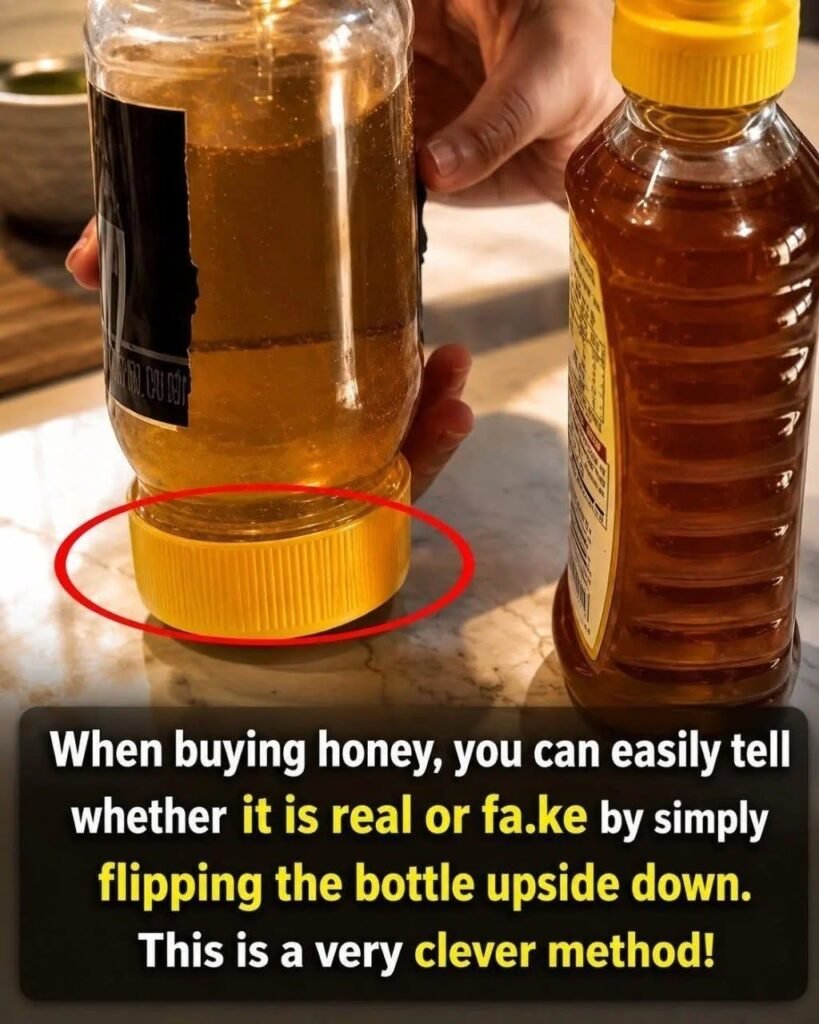

Honey is often called nature’s golden sweetener, but not every jar labeled “pure honey” is necessarily what it claims to be.
Some products may contain added sugar syrups or other sweeteners. So, how can you tell whether you’re buying genuine honey?
Here are 7 important things to know before your next purchase.
1. Check the Ingredients Label
Always read the product label carefully.
-
Honey should be listed as the only ingredient if it is sold as pure honey.
-
Watch for glucose syrup, corn syrup, and added sweeteners.
-
Look for the producer’s name and country of origin.
2. Understand Natural Crystallization
Genuine honey can naturally become cloudy, thick, or grainy over time.
-
Some varieties crystallize quickly.
-
Others remain liquid for months.
-
Temperature and natural sugar composition affect crystallization.
Remember: Crystallization does not prove purity, and liquid honey isn’t automatically fake.
3. Don’t Trust the Water Test
You may have seen videos claiming that pure honey sinks to the bottom of a glass of water while fake honey dissolves immediately.
The truth is that this test cannot reliably identify pure honey. Both genuine and adulterated honey can behave differently in water.
4. Pay Attention to Aroma and Taste
Natural honey can have different flavors depending on the flowers from which bees collect nectar.
It may taste:
-
Floral.
-
Fruity.
-
Herbal.
-
Woody.
-
Mildly caramel-like.
Color and flavor vary naturally, so neither can independently confirm authenticity.
5. Know Your Honey Supplier
Before purchasing, ask the seller:
-
Where was the honey harvested?
-
Is it locally produced?
-
Can they identify the beekeeper?
-
Can they provide information about harvesting and processing?
Buying from a reputable beekeeper can improve traceability.
6. Understand the Importance of Laboratory Testing
Professional laboratory analysis is the most reliable way to investigate honey authenticity.
Some testing methods include:
-
C4 sugar testing: Helps detect certain added sugar syrups.
-
NMR analysis: Examines the chemical composition of honey.
-
Pollen analysis: Helps investigate botanical and geographical origin.
-
Moisture analysis: Measures water content and helps assess quality.
No single test detects every possible form of adulteration.
7. Don’t Judge Honey by Its Color or Thickness
Genuine honey can range from nearly transparent gold to dark amber or brown.
Its thickness also varies according to its natural composition and moisture content.
A thick honey is not necessarily pure, and thin honey is not necessarily fake.
5 Smart Tips Before Buying Honey
-
Choose a trustworthy seller.
-
Read the ingredients carefully.
-
Check the producer and origin.
-
Look for credible quality certifications or laboratory reports.
-
Avoid believing viral home purity tests.
Final Thoughts
Pure honey is a wonderful natural food, but identifying adulterated honey requires more than looking at its color, smell, thickness, or behavior in water.
The golden rule: Know your honey’s source, check its label, and trust proper testing rather than internet myths.
Enjoy honey in moderation, and remember never to give it to babies under 12 months of age. 🍯