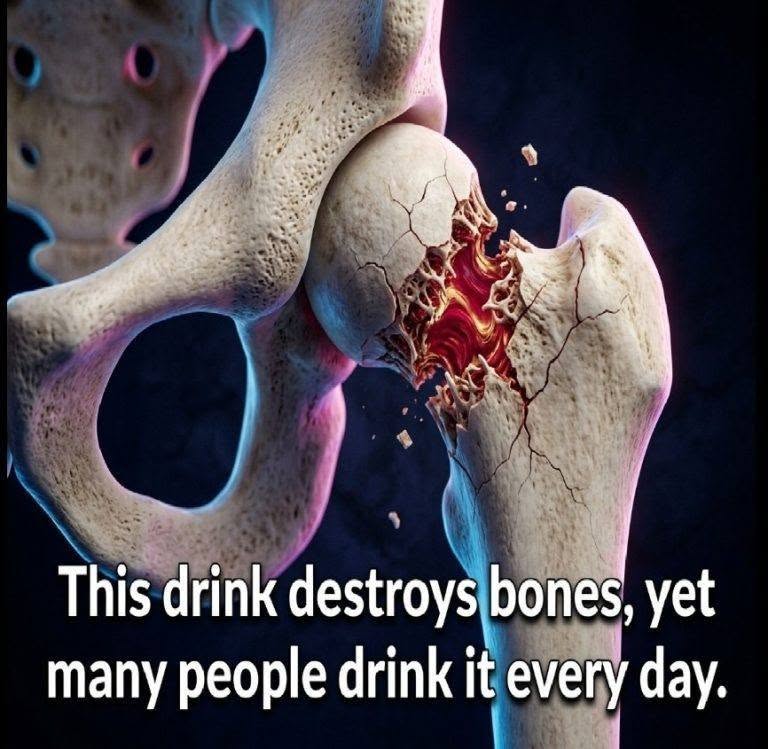

The Five Drinks That Are Most Harmful to Your Bones, According to Health Experts
Your bones need adequate calcium, vitamin D, protein, and other nutrients to remain strong. No single drink will automatically weaken your bones, but regularly consuming certain beverages can contribute to poorer bone health—especially when they replace nutritious foods and drinks.
1. Excessive Cola and Other Sugary Soft Drinks
Cola and other sugar-sweetened soft drinks are often highlighted in discussions about bone health. Some observational studies have found associations between frequent cola consumption and lower bone mineral density, particularly in women.
The exact reason isn’t fully established. Possible explanations include overall dietary patterns, caffeine, added sugar, and the tendency for soft drinks to replace calcium-rich beverages.
The evidence does not mean that drinking one soda causes osteoporosis.
2. Excessive Alcohol
Heavy alcohol consumption can negatively affect bone health. Chronic excessive drinking can interfere with bone formation, calcium and vitamin D metabolism, nutrition, and balance, increasing the risk of fractures.
For bone health, limiting alcohol is preferable to regular heavy consumption.
3. Energy Drinks
Energy drinks can contain substantial amounts of caffeine and added sugar. High caffeine intake may modestly interfere with calcium absorption, although normal caffeine consumption can generally be accommodated in a healthy diet.
The bigger concern is when large amounts of energy drinks replace nutritious beverages or contribute to excessive caffeine and sugar intake.
4. Highly Sugary Drinks
Sweetened iced teas, fruit-flavored drinks, sports drinks, and other beverages containing large amounts of added sugar can contribute significant calories without providing much calcium or other bone-supporting nutrition.
Regularly replacing milk, fortified alternatives, or water with these beverages can make it harder to maintain a nutrient-rich diet.
5. Excessive Caffeinated Beverages
Coffee and tea aren’t automatically bad for your bones. Moderate caffeine consumption is generally compatible with good bone health when calcium intake is adequate.
The concern is mainly with very high caffeine intake or situations where caffeinated drinks consistently replace calcium-rich foods and beverages.
What Should You Drink Instead?
For everyday hydration, water is an excellent choice.
Other bone-supporting options can include:
-
Milk
-
Calcium- and vitamin-D-fortified plant milk
-
Plain or lightly sweetened yogurt drinks
-
Water with meals and throughout the day
-
Unsweetened tea, in moderation
Don’t Forget the Rest of Your Diet
Drinks are only one part of bone health. Adults also need adequate calcium, vitamin D, protein, and physical activity, including weight-bearing and muscle-strengthening exercise.
Smoking is another important risk factor for poor bone health.
Bottom Line
The beverages most worth limiting are heavy alcohol use, large amounts of sugary soft drinks, energy drinks, and excessive caffeine, particularly when they replace nutritious foods or calcium-rich drinks.
You don’t need to eliminate coffee, tea, or an occasional soft drink to protect your bones. Overall dietary pattern and lifestyle matter much more than any single beverage.