
OUR EARS CAN TELL US A LOT ABOUT OUR HEALTH
1. Changes in Hearing
Gradual hearing loss becomes more common with age, but sudden or rapidly worsening hearing should not simply be dismissed as normal aging. Changes in hearing can sometimes be related to ear problems, medication effects, infections, or other health conditions.
2. Ringing or Buzzing
A ringing, buzzing, or humming sound in the ears is known as tinnitus. It can have many causes, including exposure to loud sounds, earwax buildup, hearing loss, or certain medications. Persistent or bothersome tinnitus deserves medical evaluation.
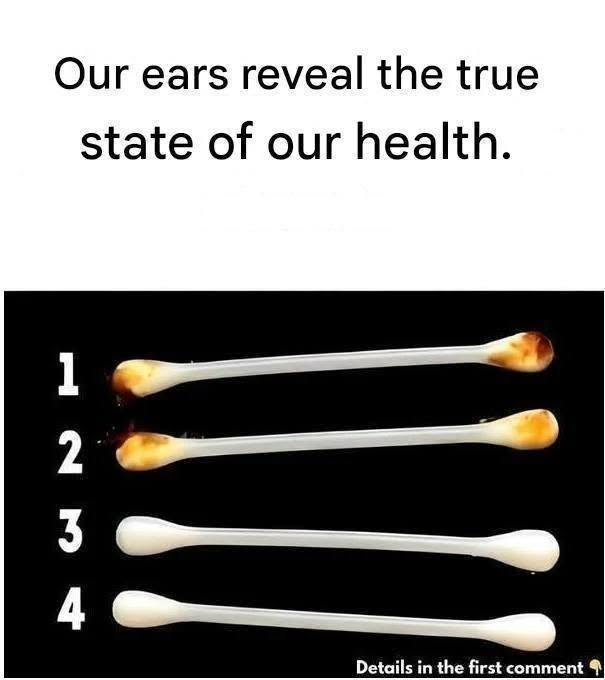
3. Earwax Changes
Earwax is normal and helps protect the ear canal. A buildup can sometimes cause temporary hearing loss, fullness, or discomfort. Putting cotton swabs or other objects deep into the ear can push wax farther inside and potentially injure the ear.
4. Balance Problems
The inner ear plays an important role in balance. Dizziness or a spinning sensation can sometimes be connected to the inner ear, although there are also many other possible causes.
5. Ear Pain or Discharge
Pain, swelling, fluid, or discharge from the ear can indicate irritation or infection. These symptoms are especially important to have checked if they persist or are accompanied by fever or hearing changes.
6. Visible Changes Around the Ear
Changes in the skin around the ear, such as persistent sores, unusual growths, or areas that do not heal, should be examined by a healthcare professional rather than ignored.
When to Seek Prompt Medical Attention
Sudden hearing loss, severe dizziness, significant ear pain, or new neurological symptoms should receive prompt medical attention. Sudden hearing loss in particular should not be assumed to be ordinary earwax or aging.
The Bottom Line
Your ears can provide useful clues about hearing, balance, infections, and other conditions, but an ear symptom does not automatically reveal a specific disease. Paying attention to persistent or sudden changes and getting them properly evaluated is the safest approach.