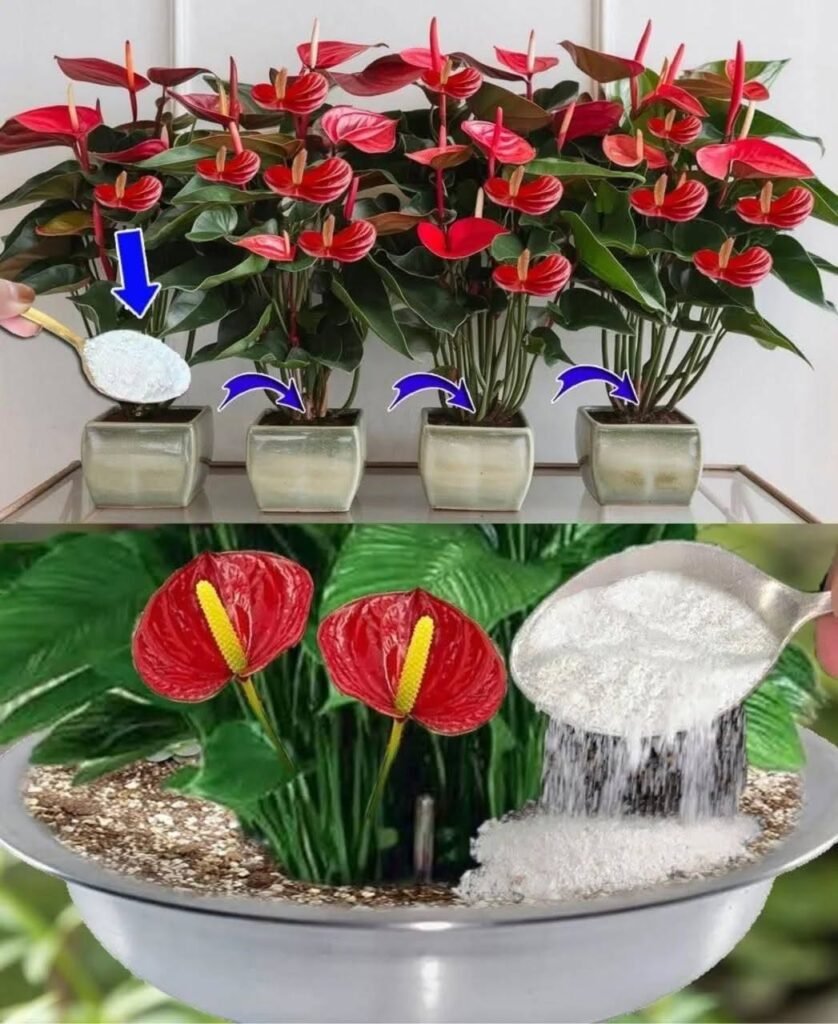

Just a Teaspoon for the Plant and Everything Will Bloom Magnificently
Potassium-Rich Wood Ash, Epsom Salt, and Banana-Peel Powder Boosters for Flowering Houseplants and Garden Blooms
When flowering houseplants and garden blooms grow healthy green leaves but produce few buds, a small, measured teaspoon dose of mineral-rich potassium or magnesium can help shift plant energy toward bud set and brighter flower color. Because concentrated kitchen or mineral powders can quickly alter soil pH or burn tender roots if overused, exact dilution and infrequent application are essential for keeping soil microbes and roots healthy.
1. Hardwood Wood Ash (Natural Potassium & Trace Minerals for Non-Acid-Loving Blooms)
Unpainted, untreated hardwood ash supplies potassium (potash), calcium, and trace phosphorus—the primary minerals that strengthen flower stalks and support abundant blooming in plants that prefer neutral to slightly alkaline soil.
-
Best Plants for Wood Ash: Roses, geraniums, marigolds, hibiscus, bougainvillea, lavender, and most vegetable blossoms (such as tomatoes and peppers).
-
Plants to Skip: Do not use wood ash on acid-loving plants—such as orchids, azaleas, gardenias, camellias, hydrangeas, and blueberries—because ash raises soil pH.
How to Prepare and Apply Wood Ash
-
Measure the Dose: Stir 1 level teaspoon of fine, sifted hardwood ash (free of lighter fluid, charcoal briquette additives, or painted wood) into 1 liter (4 cups) of room-temperature water.
-
Let Steep and Settle: Stir thoroughly and let the mixture sit for 12 to 24 hours, stirring once more before pouring off the clear mineral liquid (or apply the diluted mix evenly to moist soil).
-
Apply Monthly During Budding: Pour around the root zone of already moist potting soil once every 4 to 6 weeks during the active flowering season, avoiding contact with wet leaves.
2. Plain Epsom Salt (Magnesium Sulfate for Chlorophyll & Bud Energy)
Epsom salt provides magnesium and sulfur—key nutrients that help plants convert sunlight into energy and absorb phosphorus more efficiently for heavier blooming.
-
Best Plants for Epsom Salt: Roses, peace lilies, hibiscus, jasmine, petunias, geraniums, and potted citrus.
How to Prepare and Apply Epsom Salt
-
Dissolve Completely: Stir 1 level teaspoon of plain, unscented Epsom salt into 1 liter (4 cups) of lukewarm water until fully dissolved.
-
Water at the Soil Line: Apply this solution in place of one regular watering once every 4 weeks during spring and summer blooming months.
-
Flush Periodically: Water with plain water on the next two to three cycles so mineral salts never build up in the pot.
3. Dried Banana-Peel Powder (Slow-Release Potassium & Phosphorus Top-Dressing)
Drying and grinding banana peels prevents the mold, gnats, and odor caused by burying raw peels in indoor pots while delivering gentle potassium, phosphorus, and calcium.
Step-by-Step Preparation and Application
-
Dry Thoroughly: Wash 2 to 3 ripe banana peels, cut them into thin strips, and dry them completely in a warm oven at 90°C to 100°C (200°F) for 1.5 to 2 hours (or in full sun) until crisp and brittle.
-
Grind to Fine Powder: Blend or grind the crisp peels into a dry powder and store in an airtight glass jar.
-
Scratch 1 Teaspoon Into Topsoil: Sprinkle 1 level teaspoon around the outer rim of a medium pot (away from the main stem), scratch gently into the top 1 to 2 cm (1/2 inch) of potting mix, and water normally. Repeat once every 4 to 6 weeks.
4. Used, Cooled Coffee Grounds (Mild Nitrogen for Leaf-Pale Acid Lovers Only)
If a plant has pale leaves and sluggish growth before budding—especially acid-loving bloomers like gardenias, hydrangeas, camellias, or roses—a tiny pinch of used, rinsed coffee grounds adds mild nitrogen and organic matter.
-
How to Use Safely: Mix 1 teaspoon of completely dried, used coffee grounds into the top layer of soil once every 6 to 8 weeks. Never pile thick layers on top of the pot, as wet grounds crust over and block airflow to roots.
Essential Rules for Safe Bloom Boosting
-
Always Water Plain First: Never pour mineral boosters onto bone-dry soil; lightly moist soil protects fine feeder roots from fertilizer burn.
-
Stick to One Booster at a Time: Choose one teaspoon method per month rather than combining ash, Epsom salt, and commercial fertilizer in the same week.
-
Match Light and Deadheading to Feeding: Even the best mineral booster cannot replace 4 to 6 hours of bright light and regular deadheading of faded flowers, which signals the plant to keep producing fresh buds.