
If You Have Visible Veins, It Means You May Have…
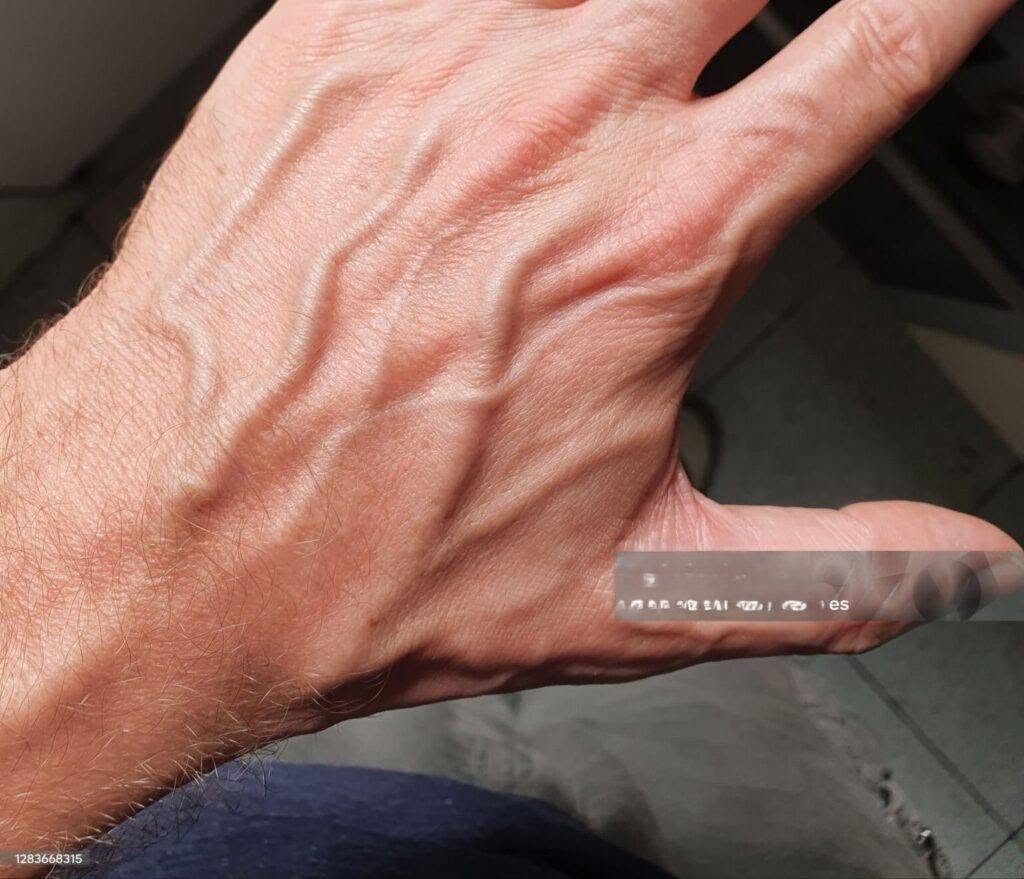
Visible veins are often completely normal and don’t automatically indicate a health problem. Their appearance can vary with genetics, skin thickness, temperature, activity, hydration, and age.
1. Naturally Prominent Veins
Some people simply have veins that are more visible because of their genetics or skin characteristics. This can be especially noticeable on the hands and forearms.
2. Heat or Exercise
Warm temperatures cause blood vessels near the skin to widen. Exercise can also temporarily make veins appear more prominent because blood flow increases.
3. Changes With Age
As skin becomes thinner and loses some of its underlying tissue with age, veins can become easier to see. This is often a normal change.
4. Dehydration
Being dehydrated can sometimes make veins appear more noticeable, although visible veins alone aren’t a reliable way to determine hydration status.
5. Vein Problems
A newly prominent, enlarged, twisted vein—especially in the legs—can sometimes be associated with varicose veins or another circulation problem. If a vein becomes suddenly prominent, painful, warm, red, or swollen, it should be medically assessed.
When to Pay Attention
Visible veins by themselves usually aren’t a reason for concern. However, seek medical advice if they appear suddenly or are accompanied by pain, swelling, skin color changes, warmth, or tenderness.
So, having visible veins doesn’t automatically mean something is wrong. In many people, it’s simply a normal feature of their body.