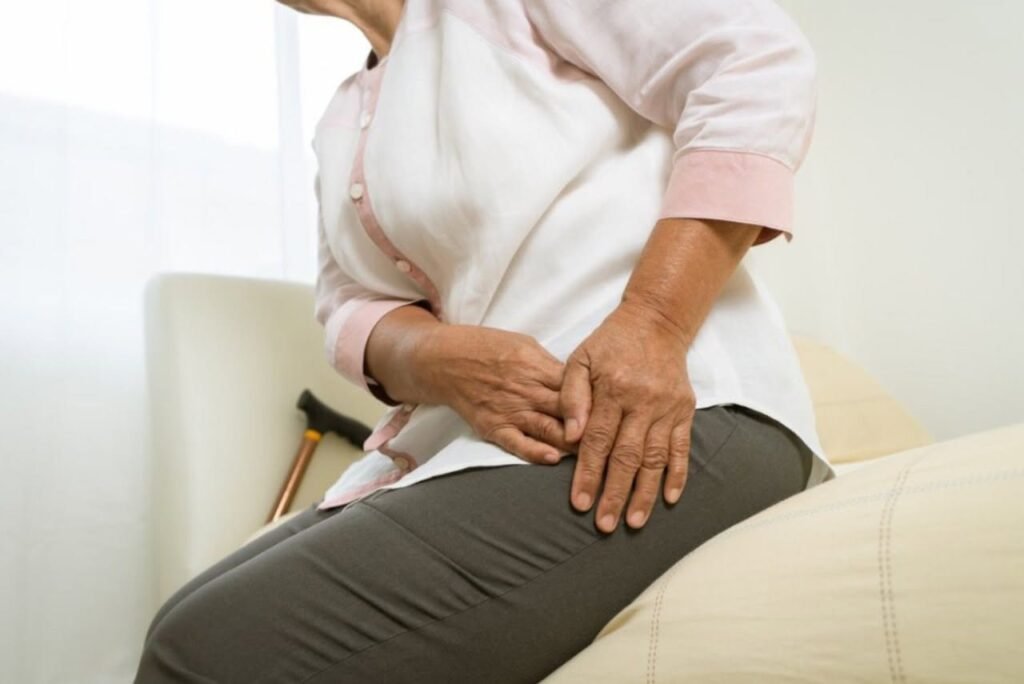

Hip pain can be a sign of an underlying joint, muscle, tendon, nerve, or bone problem. It may develop gradually over time or appear suddenly following an injury, physical activity, or an underlying medical condition.
The hip is one of the body’s largest weight-bearing joints. It supports the upper body, helps maintain balance, and allows us to walk, sit, stand, bend, and move comfortably. When something affects the hip joint or surrounding structures, even ordinary daily activities can become uncomfortable.
Hip pain should not automatically be considered a sign of arthritis. Several different conditions can cause similar symptoms, and identifying the exact location and nature of the pain is important.
1. Osteoarthritis: A Common Cause of Hip Pain
Common symptoms include:
-
Pain deep inside the hip or groin.
-
Stiffness after waking up or sitting for a long time.
-
Discomfort when walking, climbing stairs, or standing.
-
Reduced flexibility and difficulty bending.
-
Pain that becomes worse after physical activity.
Osteoarthritis is more common with increasing age, although previous injuries and certain joint abnormalities can increase the risk.
2. Hip Bursitis: Inflammation Around the Hip Joint
Symptoms may include:
-
Pain on the outside of the hip.
-
Tenderness when pressing the affected area.
-
Discomfort when sleeping on the painful side.
-
Pain when climbing stairs.
-
Increased discomfort after prolonged walking or standing.
Repeated movements, excessive exercise, injuries, and changes in walking patterns can contribute to this condition.
3. Sciatica: Nerve-Related Pain
Although the condition is associated with the back, its symptoms can extend into the buttocks, hip region, and legs.
Possible symptoms include:
-
Sharp, burning, or shooting pain.
-
Pain travelling from the lower back into the buttock.
-
Tingling or numbness in the leg.
-
Muscle weakness.
-
Pain that becomes worse after prolonged sitting.
Sciatica is not necessarily a hip-joint problem. The source of the pain may actually be in the lower back.
4. Hip Tendonitis: Irritation of the Tendons
Tendons connect muscles to bones. When they become irritated through repeated movement or excessive physical activity, they can cause pain around the hip.
Common symptoms include:
-
Pain during walking or running.
-
Tenderness around the hip.
-
Discomfort when lifting the leg.
-
Pain when climbing stairs.
-
Stiffness after resting.
People who suddenly increase their exercise intensity may be more likely to develop tendon-related hip pain.
5. Hip Labral Tear: Damage to the Joint’s Cartilage Ring
The labrum is a ring of cartilage surrounding the hip socket. It helps stabilize the hip joint and maintain smooth movement.
A tear in this cartilage can cause:
-
Pain deep in the hip or groin.
-
Clicking or catching sensations.
-
Stiffness during movement.
-
Discomfort when rotating the hip.
-
Pain during prolonged sitting or physical activity.
Labral tears can result from injuries, repetitive movements, or structural abnormalities of the hip.
6. Muscle Strain: Overstretching or Injury
Hip muscles help control movement and stabilize the pelvis. Overstretching or sudden movements can damage muscle fibres.
Symptoms include:
-
Sudden pain during physical activity.
-
Muscle tenderness.
-
Swelling or bruising in some cases.
-
Difficulty moving the leg comfortably.
-
Pain when stretching or contracting the affected muscle.
Rest and appropriate rehabilitation often help mild muscle strains improve.
7. Osteoporosis and Hip Fractures
A hip fracture can occur after a fall, accident, or sometimes relatively minor trauma in someone with significantly weakened bones.
Warning signs include:
-
Sudden, severe hip or groin pain.
-
Difficulty standing or walking.
-
Pain when moving the affected leg.
-
Swelling or bruising.
-
Inability to put weight on the affected side.
A suspected hip fracture requires immediate medical attention.
8. Rheumatoid Arthritis
Rheumatoid arthritis is an autoimmune condition in which the immune system mistakenly attacks the body’s joints.
When it affects the hip, it may cause:
-
Persistent joint pain.
-
Morning stiffness.
-
Swelling and inflammation.
-
Difficulty walking.
-
Reduced hip movement.
-
Fatigue and general discomfort.
Unlike ordinary muscle soreness, inflammatory arthritis may cause prolonged stiffness and symptoms affecting multiple joints.
9. Hip Pain During Pregnancy
Pregnancy can place additional stress on the pelvis, muscles, ligaments, and hip joints.
Possible causes include:
-
Changes in posture.
-
Increased pressure on the pelvic region.
-
Relaxation of supporting ligaments.
-
Increased body weight.
-
Pelvic girdle pain.
Symptoms may become noticeable when walking, turning in bed, standing on one leg, or climbing stairs.
Persistent or severe pain during pregnancy should be discussed with a healthcare professional.
10. When Is Hip Pain a Warning Sign?
Although many causes of hip pain are manageable, certain symptoms require prompt medical attention.
Seek urgent medical care if you experience:
-
Sudden, severe hip pain.
-
Inability to stand or put weight on your leg.
-
Hip pain following a serious fall or injury.
-
Fever accompanied by a hot, swollen hip.
-
New leg weakness or significant numbness.
-
Loss of bladder or bowel control, particularly with back and leg pain.
These symptoms can indicate conditions requiring immediate assessment.
11. How Can You Relieve Hip Pain?
Treatment depends on the underlying cause. General measures for mild, uncomplicated hip pain may include:
Rest: Temporarily reduce activities that increase discomfort, but avoid prolonged complete inactivity.
Cold compress: Apply a wrapped cold pack for approximately 15–20 minutes to help reduce pain and swelling.
Gentle movement: Gentle walking and appropriate mobility exercises may help prevent stiffness.
Healthy body weight: Maintaining a healthy weight can reduce pressure on weight-bearing joints.
Supportive footwear: Comfortable shoes can help improve stability and walking mechanics.
Physical therapy: A physiotherapist can recommend exercises to improve flexibility, strength, balance, and hip stability.
Medication: Appropriate pain-relieving medication may help, but suitability depends on age, pregnancy status, medical history, and other medications.
12. When Should You See a Doctor?
Consider arranging a medical assessment if:
-
Hip pain lasts longer than one or two weeks.
-
Pain repeatedly returns.
-
Walking becomes increasingly difficult.
-
Pain interferes with sleep.
-
You experience unexplained stiffness or reduced movement.
-
Home care does not improve the symptoms.
A doctor may recommend a physical examination, X-ray, MRI, or blood tests depending on the suspected cause.
Final Thoughts
Hip pain is not a clear sign of one specific disease. It can indicate osteoarthritis, bursitis, tendon problems, nerve irritation, muscle injuries, osteoporosis, or other medical conditions.
The most important factor is understanding where the pain occurs, what makes it worse, and whether other symptoms are present. Early diagnosis can help prevent certain conditions from becoming more serious and can make treatment more effective.