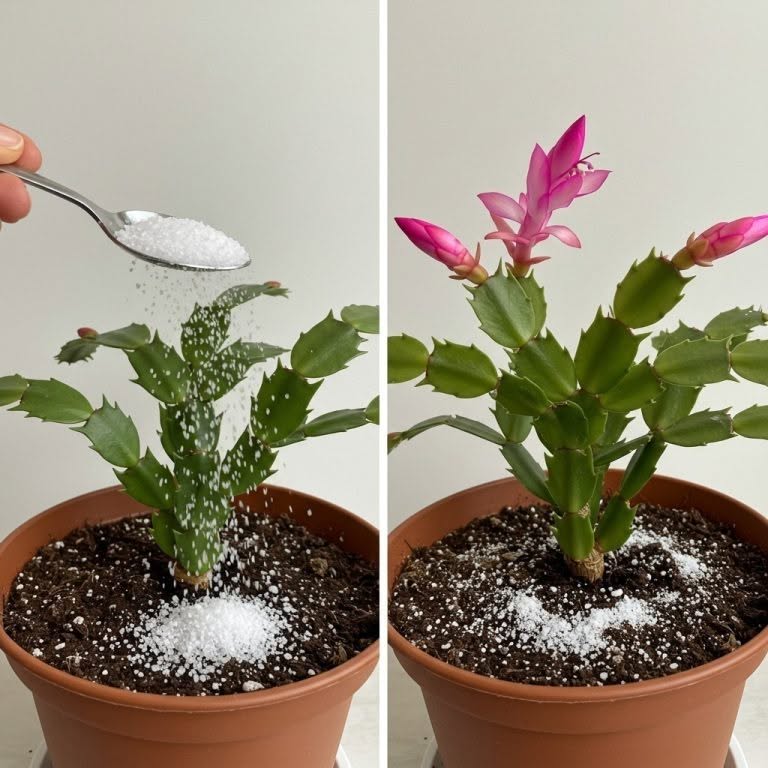

As autumn arrives, houseplants may need extra care because temperatures, sunlight, and indoor humidity begin to change. A few simple adjustments can help your flowers stay healthy and beautiful throughout the season.
1. Adjust Your Watering Routine
As temperatures drop, many houseplants use less water. Water only when the soil needs it, as excess moisture can cause root rot. Always check the soil before watering.
2. Give Flowers Enough Light
Autumn days are shorter, so indoor plants may receive less sunlight. Move them closer to a bright window, providing indirect light when appropriate for the plant species.
3. The Little Secret: Check the Roots
Healthy roots are essential for strong leaves and flowers. If your plant looks weak despite regular care, inspect its roots for signs of rot. Remove damaged roots with clean tools and repot in a suitable growing medium if necessary.
4. Maintain Indoor Humidity
Heating systems can make indoor air dry. Grouping humidity-loving plants together or using a humidifier can help, but avoid keeping leaves constantly wet.
5. Feed Plants Carefully
Growth often slows during autumn. Reduce fertilizer if your plants are growing less, and follow the feeding needs of each species rather than applying fertilizer automatically.
6. Remove Dead Leaves and Flowers
Trim dead or damaged material using clean scissors. This improves the plant’s appearance and helps you notice pests or diseases before they spread.
Conclusion
The secret to keeping house flowers healthy during autumn is observing their needs and adjusting their care with the changing season. Proper watering, suitable light, healthy roots, and balanced humidity can help your indoor garden thrive.