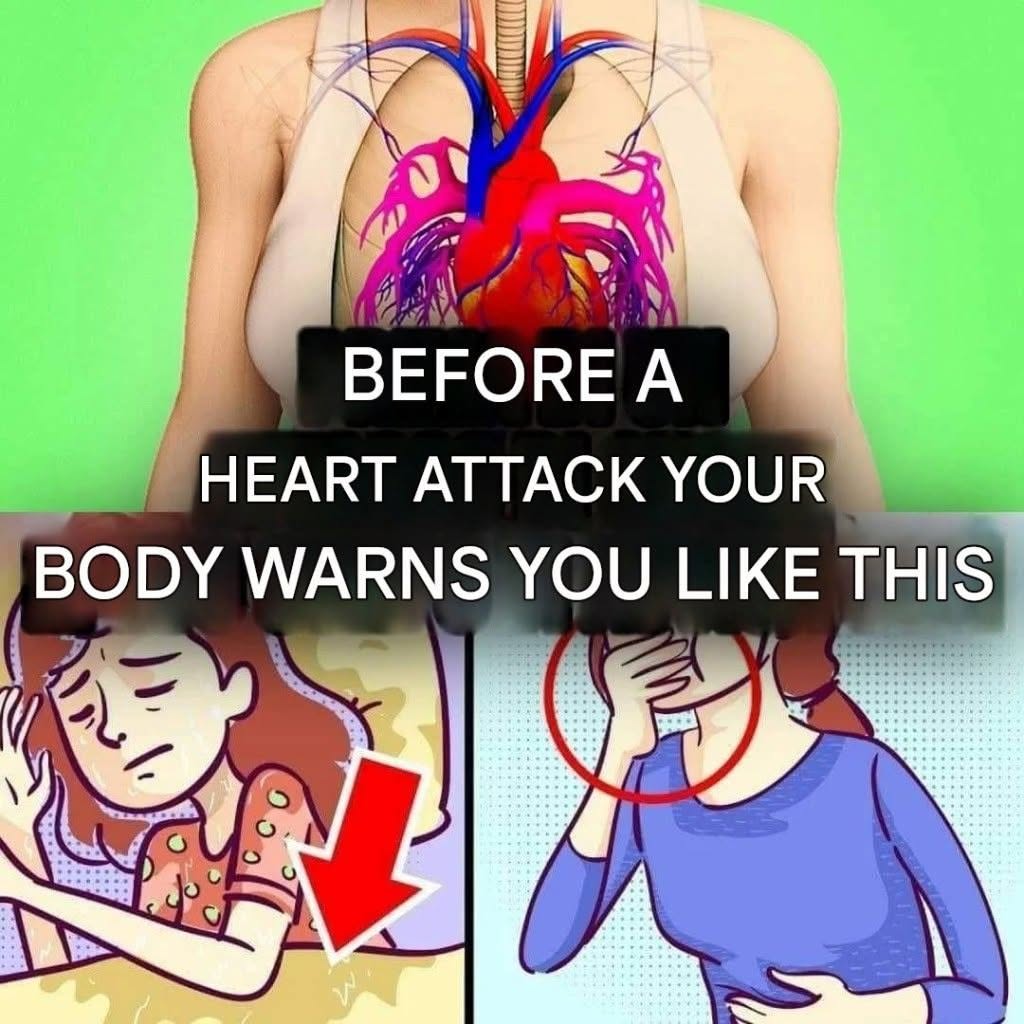

A heart attack occurs when blood flow to part of the heart muscle becomes blocked. Recognizing the warning signs early and getting medical help quickly can save a life. Symptoms may differ between individuals, and older adults and people with diabetes may experience less obvious signs.
1. Chest Pain or Pressure
You may feel tightness, squeezing, heaviness, or discomfort in the center of your chest. It may last several minutes or disappear and return.
2. Pain Spreading to the Arm
Pain or discomfort may spread to one or both arms, particularly the left arm. It can also affect the shoulders.
3. Shortness of Breath
You may struggle to breathe, even without chest pain. It can happen during activity or while resting.
4. Unusual Sweating
Sudden cold sweating without an obvious reason can be a warning sign, especially when accompanied by chest discomfort or nausea.
5. Nausea or Vomiting
A heart attack may cause nausea, vomiting, or an upset stomach. These symptoms can sometimes be mistaken for indigestion.
6. Pain in the Jaw, Neck, or Back
Discomfort may spread to the jaw, neck, upper back, or shoulders rather than being felt mainly in the chest.
7. Unusual Tiredness or Weakness
Some people experience sudden, unexplained exhaustion or weakness. This symptom may be more subtle in women and older adults.
8. Dizziness or Lightheadedness
Feeling faint, suddenly dizzy, or unusually weak may occur when the heart cannot pump blood effectively.
What Should You Do?
Do not wait for all eight symptoms to appear. If you suspect a heart attack, call your local emergency service immediately. In Pakistan, Rescue 1122 is available in many areas. Stop physical activity, sit and rest, and follow the emergency dispatcher’s instructions. Do not drive yourself to the hospital.
Important: Heart attack symptoms can be mild or severe. Even if you are unsure, seek urgent medical assessment when symptoms suggest a heart attack.