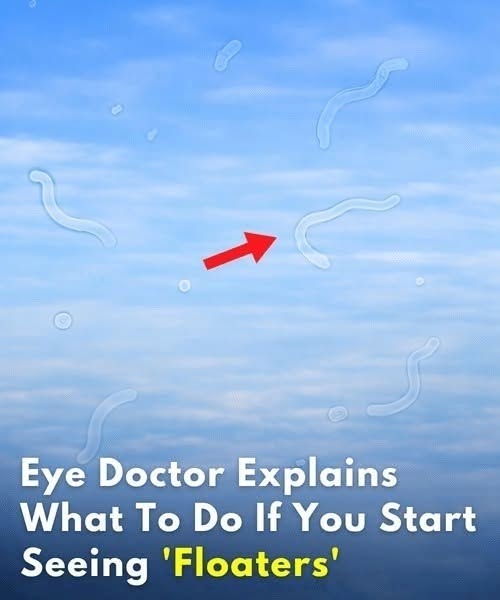

What to Do If You Start Seeing Eye Floaters: An Eye Doctor’s shapes that seem to drift across your vision. They are common, particularly as people get older, and are often caused by normal changes Helpful Guide
Detail
Eye floaters are small spots, threads, rings, or cobweb-like shapes that seem to drift across your vision. They are common, particularly as people get older, and are often caused by normal changes in the gel inside the eye called the vitreous. National Eye Institute+1
1. Don’t Ignore New Floaters
If you suddenly develop floaters for the first time, especially if there are many new floaters, arrange an urgent eye examination. New floaters can sometimes occur when the vitreous pulls on the retina. nhs.uk+1
2. Watch for Flashes of Light
Flashes that appear suddenly can occur when the vitreous pulls on the retina. They can sometimes indicate a retinal tear, so new flashes should be assessed promptly. American Academy of Ophthalmology+1
3. Know the “Curtain” Warning Sign
A dark shadow, gray curtain, or missing area in your peripheral vision is an important warning sign of possible retinal detachment.
This requires urgent medical attention because untreated retinal detachment can permanently damage vision. nhs.uk+1
4. Don’t Try Home Remedies
There is no proven eye drop, vitamin, food, or home remedy that can remove ordinary vitreous floaters. If they’re caused by normal aging and aren’t interfering with vision, treatment often isn’t necessary. National Eye Institute
5. Give Your Eyes Time to Adjust
With harmless age-related floaters, the spots may remain but often become less noticeable over time as your brain adapts to them. Moorfields Eye Hospital+1
6. Get an Eye Examination
An eye professional can perform a dilated eye examination to look carefully at the retina and determine whether the floaters are harmless or associated with a retinal tear or another problem. National Eye Institute
7. Know Your Risk Factors
Floaters deserve particular attention if you are very nearsighted, have diabetes, have had cataract or other eye surgery, or have experienced an eye injury. American Academy of Ophthalmology+1
🚨 Seek Urgent Eye Care If You Have:
-
A sudden shower or large increase in floaters
-
New flashes of light
-
A dark curtain or shadow across your vision
-
Sudden blurred or reduced vision
-
Floaters or flashes following an eye injury or surgery
These symptoms can indicate a retinal tear or retinal detachment and shouldn’t be watched at home. nhs.uk+1
Bottom Line
A few longstanding floaters are usually harmless, but new or suddenly increasing floaters—especially when accompanied by flashes or a curtain-like shadow—need prompt evaluation. There is no reliable home remedy for determining whether a new floater is harmless; an eye examination is the safest way to find out.