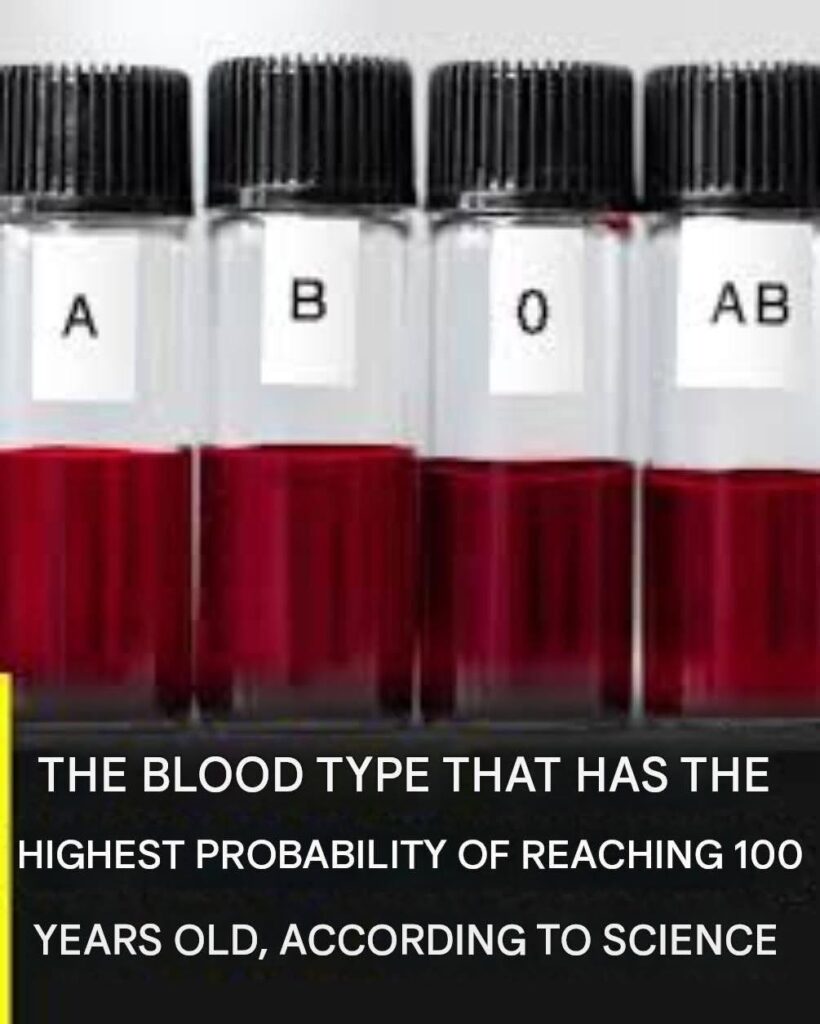

Which Blood Type Is Linked With Living to 100?
You may have seen claims that people with type O blood are more likely to live to 100. There is some research connecting blood type with differences in certain health risks, but blood type does not determine how long someone will live.
🩸 What the Research Suggests
People with O blood tend to have a lower risk of certain clotting-related conditions compared with people with non-O blood types. Non-O blood types (A, B, and AB) tend to have somewhat higher levels of certain clotting factors, which may contribute to differences in cardiovascular risk.
But longevity is influenced by a much larger collection of factors, including:
-
Genetics
-
Blood pressure and cholesterol
-
Smoking
-
Diabetes
-
Physical activity
-
Diet
-
Sleep
-
Social relationships
-
Access to healthcare
-
Chance and environmental factors
What About AB Blood?
Some studies have found associations between AB blood type and certain cardiovascular or cognitive outcomes, but that doesn’t mean people with AB blood are destined to have shorter lives.
Likewise, type O isn’t a “longevity blood type.”
🧬 The Bottom Line
There is no blood type proven to make a person more likely to reach 100. Blood type is only one small biological characteristic, whereas lifestyle and overall health have much greater influence on healthy longevity.
If you’re interested in living longer, the evidence supports focusing on controllable factors—not trying to change or optimize your blood type.