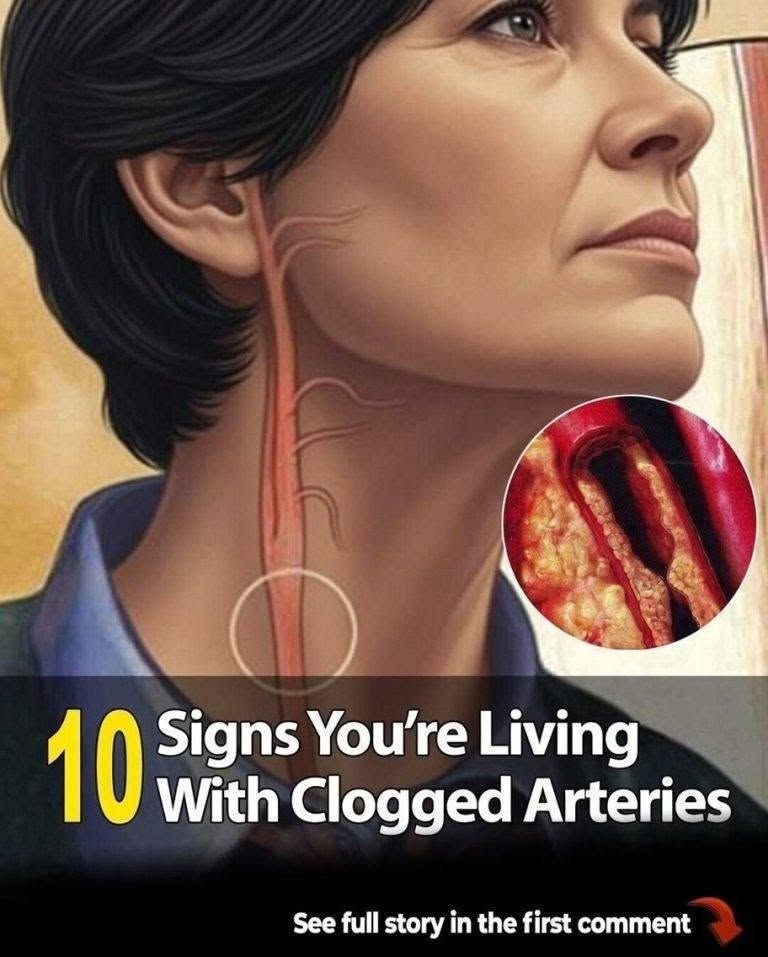

10 Indicators of Blocked Arteries You Shouldn’t Ignore
“Blocked arteries” can refer to several conditions, including coronary artery disease affecting the heart or peripheral artery disease (PAD) affecting the limbs. Importantly, atherosclerosis can develop for years without obvious symptoms, so symptoms alone can’t reliably tell you whether an artery is blocked. www.heart.org+1
1. Chest pressure or discomfort
Pressure, squeezing, fullness, or pain in the center of the chest—especially with exertion—can occur when blood flow to the heart is reduced. www.heart.org
2. Shortness of breath
Breathlessness, particularly during activity or together with chest discomfort, can be a warning sign of reduced heart blood flow. www.heart.org
3. Pain spreading to the upper body
Heart-related discomfort can extend into the arm, back, neck, jaw, or upper abdomen. www.heart.org
4. Leg pain while walking
A classic symptom of PAD is aching, cramping, burning, or heaviness in the calf, thigh, buttock, or foot that starts with walking or exercise and improves after resting. www.heart.org+1
5. Persistent coldness in one foot or leg
A noticeably cooler foot or lower leg can occur when blood flow is reduced. www.heart.org
6. Slow-healing sores
Cuts or ulcers on the feet or legs that heal very slowly—or don’t heal—can be a sign of inadequate circulation. www.heart.org
7. Changes in skin color
Reduced blood flow can cause the skin of a leg or foot to appear unusually pale or develop other color changes. www.heart.org
8. Reduced hair or toenail growth
Poor circulation can sometimes result in less hair growth on the legs and slower-growing toenails. www.heart.org
9. Sudden neurological symptoms
Narrowing of the carotid arteries may contribute to a TIA or stroke. Warning signs include sudden facial drooping, weakness or numbness on one side, difficulty speaking, sudden vision changes, or loss of balance. www.heart.org
10. Erectile dysfunction
Erectile dysfunction, particularly in men with diabetes, can sometimes be associated with vascular disease and reduced blood flow. www.heart.org
When It’s an Emergency
Don’t wait for an appointment if you develop new chest pressure/pain, severe shortness of breath, or sudden stroke-like symptoms. Call your local emergency service immediately. www.heart.org
Also, sudden severe pain, coldness, numbness, or loss of movement in a limb can indicate an acute circulation problem and requires urgent assessment.
How Are Blocked Arteries Detected?
Symptoms aren’t enough to diagnose a blockage. Depending on the suspected location, clinicians may use blood-pressure measurements, an ankle-brachial index, ultrasound, CT/MR angiography, or other testing. www.heart.org+1
Bottom Line
The most important point is that blocked arteries can exist without noticeable symptoms. High blood pressure, high cholesterol, diabetes, smoking, physical inactivity, kidney disease, and family history can increase vascular risk. www.heart.org+1
If you have recurring exertional chest or leg symptoms, getting evaluated is much safer than trying to diagnose an artery blockage from symptoms alone.