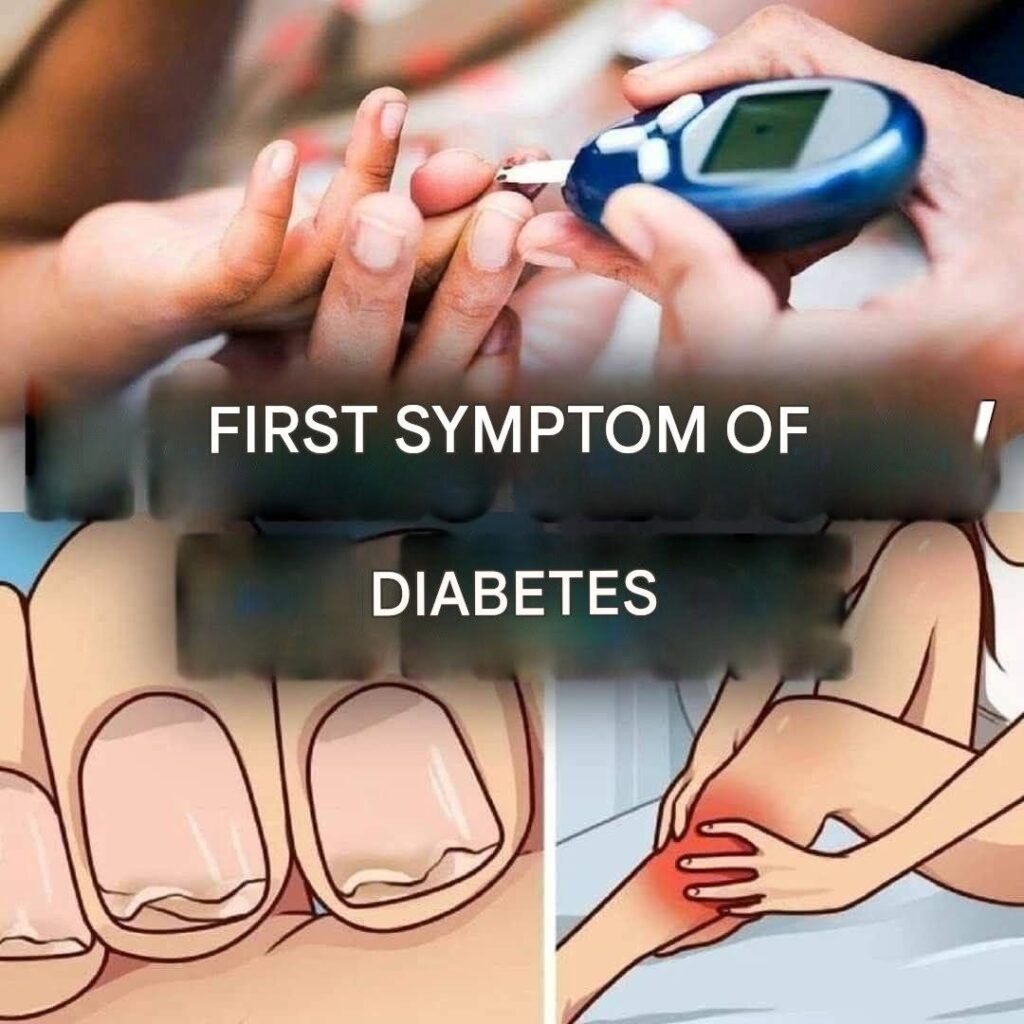

Here Are the Most Surprising Symptoms of Diabetes (1/3)
Diabetes can develop gradually, and some symptoms may be subtle enough to overlook. Having one of these symptoms does not mean you have diabetes, but persistent or unexplained changes can be a reason to get your blood glucose checked.
1. Frequent Urination
When blood glucose becomes too high, the kidneys work to remove excess glucose through urine. This can lead to urinating more often, including waking repeatedly during the night.
2. Unusual Thirst
Frequent urination can cause increased fluid loss, leading to persistent thirst. Drinking much more than usual can therefore be an early clue that blood glucose is elevated.
3. Increased Hunger
Some people with diabetes experience increased hunger even after eating. When glucose cannot be used effectively by the body’s cells, the body may signal that it needs more energy.
4. Unexplained Weight Loss
Unexpected weight loss can occur when the body isn’t able to use glucose effectively and begins breaking down stored fat and muscle for energy. Unexplained weight loss deserves medical evaluation.
5. Persistent Fatigue
High or poorly controlled blood glucose can be associated with tiredness and low energy. Fatigue is common and has many other possible causes, so it isn’t specific to diabetes.
6. Blurred Vision
High blood glucose can temporarily affect the fluid balance and shape of the lens in the eye, causing blurred vision. Persistent or sudden vision changes should be assessed by a healthcare professional.
7. Slow-Healing Cuts
Diabetes can affect circulation and nerves and can make some wounds heal more slowly. A wound that isn’t healing normally, especially on the foot, should receive appropriate medical attention.
8. Frequent Infections
People with diabetes may be more susceptible to certain infections, including some skin, urinary-tract, and yeast infections.
9. Tingling or Numbness
Persistent high blood glucose can damage nerves over time, potentially causing tingling, burning, pain, or numbness, particularly in the feet and hands. This is generally a complication of diabetes rather than a reliable early symptom.
10. Darkened Skin in Certain Areas
Acanthosis nigricans can cause darker, thicker, velvety skin, often around the neck, armpits, or groin. It can be associated with insulin resistance, although it does not by itself diagnose diabetes.
How Diabetes Is Confirmed
Symptoms alone cannot diagnose diabetes. A healthcare professional can use blood tests such as A1C, fasting blood glucose, or an appropriate glucose test to determine whether diabetes or prediabetes is present.
If you have several of these symptoms—particularly excessive thirst, frequent urination, unexplained weight loss, or persistent fatigue—consider arranging a blood-glucose evaluation rather than relying on symptoms alone.