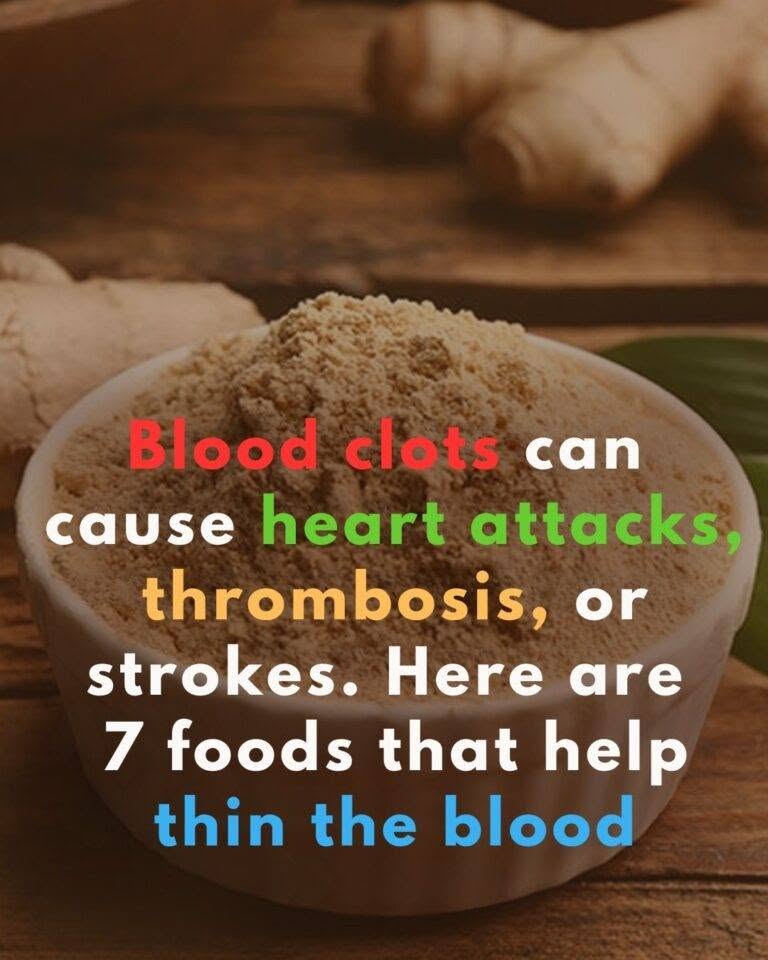

7 Foods Often Called “Blood-Thinning” Foods
The phrase “blood-thinning foods” can be misleading. Foods do not work like prescription blood thinners such as warfarin or apixaban, and you should not use food as a substitute for medication prescribed to prevent blood clots.
However, some foods contain compounds that may modestly affect platelet activity or blood-clotting pathways and can be part of a heart-healthy diet.
1. Garlic
Garlic contains sulfur compounds, including allicin, that have been studied for effects on platelet aggregation.
Eating garlic as part of a normal diet is generally safe for most people. However, concentrated garlic supplements may increase bleeding risk, particularly when combined with anticoagulant or antiplatelet medicines.
2. Ginger
Ginger contains bioactive compounds that have been investigated for their effects on platelet function.
Using ginger in cooking or drinking ginger tea is very different from taking concentrated supplements. If you’re taking a blood thinner, discuss high-dose ginger supplements with your healthcare professional.
3. Turmeric
Turmeric contains curcumin, which has anti-inflammatory and other biological effects. Laboratory and small human studies have examined possible effects on platelet function.
Turmeric in normal cooking quantities is generally not equivalent to a medicinal dose of curcumin. High-dose supplements may interact with medicines.
4. Fatty Fish
Fish such as:
-
Salmon
-
Sardines
-
Mackerel
-
Herring
are rich in omega-3 fatty acids. Omega-3s have cardiovascular benefits and can have effects on platelet function at sufficiently high doses.
Including oily fish in a balanced diet is generally preferable to assuming that fish “thins the blood.”
5. Foods Rich in Vitamin E
Vitamin E is found in foods such as almonds, sunflower seeds, peanuts, and vegetable oils.
Vitamin E has anticoagulant/antiplatelet effects at higher supplemental doses, but that doesn’t mean you should take large amounts to prevent clots. High-dose vitamin-E supplements can increase bleeding risk.
6. Green Leafy Vegetables
Spinach, kale, broccoli, and other green vegetables provide vitamin K, which is essential for normal blood clotting.
This is actually an important warning for people taking warfarin: you generally don’t need to avoid green vegetables, but your vitamin-K intake should be consistent, because large changes can affect warfarin’s effectiveness.
7. Berries
Berries such as blueberries, strawberries, and raspberries provide polyphenols and other antioxidants.
They are a healthy addition to a diet, but evidence does not support using berries as a replacement for anticoagulant medication or as a treatment for an existing blood clot.
If You Take Blood-Thinning Medication
Be particularly careful about starting concentrated herbal or dietary supplements without checking with your doctor or pharmacist.
This is especially important with medicines such as:
-
Warfarin
-
Apixaban
-
Rivaroxaban
-
Dabigatran
-
Clopidogrel
-
Aspirin
The issue isn’t that you must avoid all of these foods. Rather, medication and supplement interactions can sometimes increase bleeding or alter medication effectiveness.
Bottom Line
There isn’t a scientifically established list of foods that will “thin your blood” enough to safely prevent or treat a blood clot. Garlic, ginger, turmeric, oily fish, vitamin-E-rich foods, leafy greens, and berries can all fit into a healthy diet, but their effects are not comparable to prescription anticoagulants.
If you have symptoms such as sudden shortness of breath, chest pain, coughing blood, or one-sided leg swelling and pain, seek urgent medical attention because these can be signs of a serious blood clot.