
Visible Blue Veins After 60: What Your Blood Flow Is Really Telling You
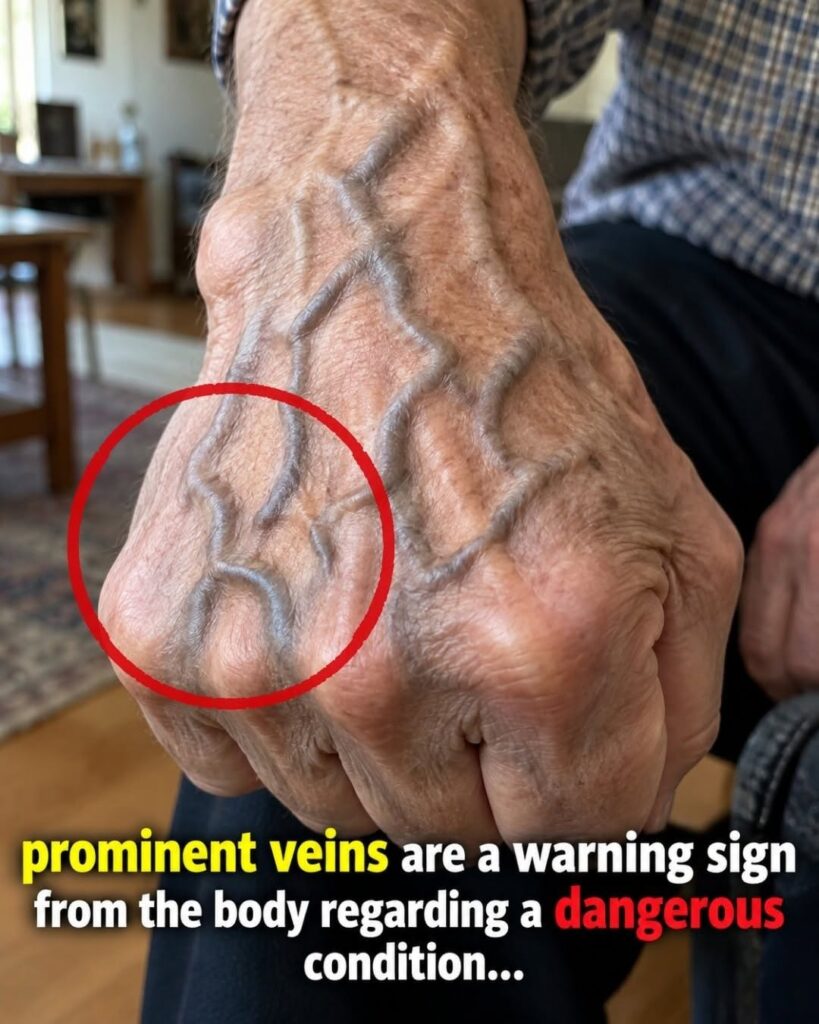
Seeing blue or greenish veins on the hands, arms, legs, or feet becomes more common with age. Although dramatic headlines may suggest that visible veins automatically indicate poor circulation, visible veins alone usually aren’t a sign that something is wrong with your blood flow.
Why Veins Become More Visible With Age
As we get older, the skin naturally becomes thinner and loses some of its elasticity. The layer of fat beneath the skin can also decrease. As a result, veins that were always present may become much easier to see.
Sun exposure and genetics can also influence how prominent veins appear.
On the hands and forearms, veins may become particularly noticeable because the skin is relatively thin and there is less tissue covering the veins.
Heat Can Make Veins Look More Prominent
When you’re warm, blood vessels near the surface of the skin can widen to help release heat. This can temporarily make veins appear more noticeable.
After exercise, veins may also stand out more because blood flow to working muscles increases.
These temporary changes generally aren’t evidence that your circulation is failing.
When Visible Leg Veins May Need Attention
Prominent veins in the legs can sometimes be varicose veins. These are enlarged, twisted veins that develop when valves inside the veins don’t work properly, allowing blood to pool in the legs.
Possible symptoms include:
- Aching or heaviness in the legs
- Swelling around the ankles
- Itching or discomfort around visible veins
- Symptoms that become worse after prolonged standing
Varicose veins aren’t always dangerous, but persistent symptoms are worth discussing with a healthcare professional.
Don’t Confuse Visible Veins With a Blood Clot
A blood clot in a deep vein, known as deep vein thrombosis (DVT), isn’t diagnosed simply by seeing blue veins.
A DVT can cause symptoms such as new swelling, pain or tenderness, warmth, and discoloration in one leg. These symptoms require prompt medical evaluation.
If leg swelling is accompanied by sudden chest pain, difficulty breathing, coughing up blood, or fainting, seek emergency medical attention.
What About Poor Circulation?
Poor circulation can have many causes, but visible veins by themselves don’t establish that blood isn’t circulating properly.
Other symptoms—such as persistent coldness, numbness, weakness, significant skin-color changes, wounds that heal poorly, or pain with walking—can be more meaningful clues that circulation needs to be assessed.
How to Support Healthy Circulation
Simple habits can support overall cardiovascular and vascular health:
- Stay physically active according to your abilities.
- Avoid sitting or standing in one position for very long periods.
- Maintain a balanced diet.
- Drink adequate fluids.
- Don’t smoke.
- Manage conditions such as high blood pressure, diabetes, and high cholesterol with appropriate medical care.
If you already have a vascular condition, follow the advice provided by your healthcare professional rather than relying on home remedies.
Bottom Line
Blue veins becoming more visible after 60 are often a normal consequence of aging, thinner skin, genetics, heat, or physical activity. They don’t automatically mean your blood flow is poor.
What matters more is whether the veins are accompanied by new swelling, pain, warmth, skin changes, or other unusual symptoms. A sudden change—particularly in one leg—deserves medical attention rather than being dismissed as a normal part of aging.