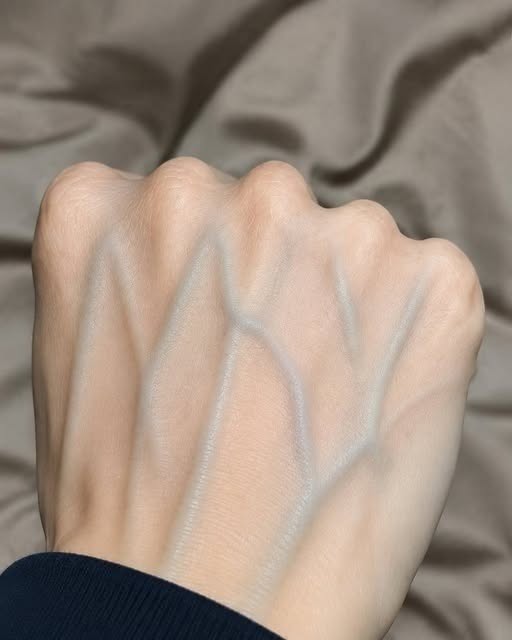

If Your Veins Are Visible, Here’s What It May Mean
Visible veins are often completely normal, especially on the hands, arms, feet, and legs. Their appearance can change with age, temperature, activity, hydration, and genetics.
1. Thinner Skin With Age
As skin becomes thinner and loses some of its underlying tissue, veins can become easier to see. This is particularly common on the hands and forearms.
2. Exercise
Physical activity increases blood flow and can temporarily make superficial veins appear more prominent. This is usually a normal response.
3. Heat
Warm temperatures can cause blood vessels near the surface of the skin to widen, making veins more noticeable.
4. Genetics
Some people naturally have more visible veins because of inherited differences in skin thickness, body composition, and vein structure.
5. Dehydration
When you’re dehydrated, veins may sometimes appear more prominent, particularly after exercise or sweating. Drinking enough fluids throughout the day supports normal circulation.
6. Varicose Veins
Veins that become enlarged, twisted, or rope-like—especially in the legs—may be varicose veins. They can sometimes cause aching, heaviness, itching, or swelling.
7. When Visible Veins May Need Attention
A vein that suddenly becomes prominent along with pain, redness, warmth, tenderness, or swelling should be medically evaluated. This is particularly important when symptoms affect only one leg or arm.
Sudden leg swelling accompanied by chest pain or difficulty breathing requires urgent medical attention.
What Visible Veins Do Not Automatically Mean
Visible veins alone do not prove that you have poor circulation, a blood clot, or another serious disease. The appearance of veins needs to be considered alongside other symptoms and health factors.
Bottom line: Visible veins are often a normal result of genetics, aging, exercise, or temperature. New or painful changes, especially when accompanied by swelling, redness, or warmth, deserve medical attention.