
New Methods: Colonoscopy May Not Be the Only Way to Screen the Colon
Colonoscopy has long been an important test for examining the inside of the large intestine and detecting colorectal cancer or precancerous polyps. However, it is not the only screening option, and several non-invasive or less-invasive methods are available.
1. Stool-Based Tests
Some screening tests examine a stool sample for hidden blood or other signs associated with colorectal cancer.
These tests don’t require inserting an instrument into the colon and can be completed at home. However, a positive result generally requires a follow-up colonoscopy to determine the cause.
2. CT Colonography
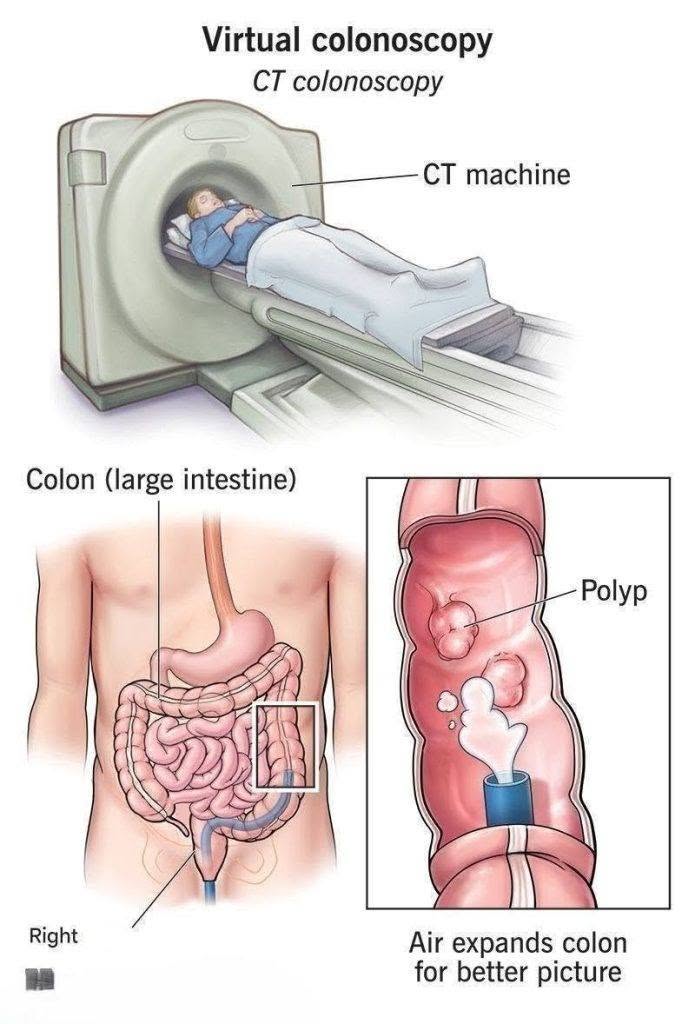
CT colonography, sometimes called a virtual colonoscopy, uses CT imaging to create pictures of the colon rather than using a long flexible camera to examine the entire bowel.
It is less invasive than traditional colonoscopy, although bowel preparation is still generally required, and a tube may be used to introduce air or carbon dioxide into the colon.
If a suspicious polyp or abnormality is detected, a conventional colonoscopy may still be needed for removal or biopsy.
3. Colon Capsule Endoscopy
In some settings, a person can swallow a small capsule containing cameras that take images as they pass through the digestive tract.
This approach avoids inserting a conventional colonoscope, but availability and suitability vary. It also cannot provide the same ability to remove a polyp immediately if one is found.
Why Colonoscopy Still Matters
Colonoscopy has an important advantage: doctors can directly examine the colon and remove many polyps during the same procedure.
That means a less-invasive screening test does not necessarily replace colonoscopy. Instead, different methods may be appropriate for different people and situations.
Screening Is Different From Diagnosing Symptoms
People with symptoms such as unexplained rectal bleeding, persistent changes in bowel habits, unexplained weight loss, or other concerning digestive symptoms may need diagnostic evaluation rather than simply choosing a routine screening test.
The appropriate examination depends on the person’s age, risk factors, medical history, symptoms, and previous screening results.
Bottom Line
Medical technology is providing more options for colorectal screening, including stool tests, CT colonography, and capsule-based approaches. These methods can reduce the need for an invasive examination in some screening situations, but they have limitations and do not completely replace traditional colonoscopy.
The best screening method should be chosen with a healthcare professional based on individual risk and circumstances.