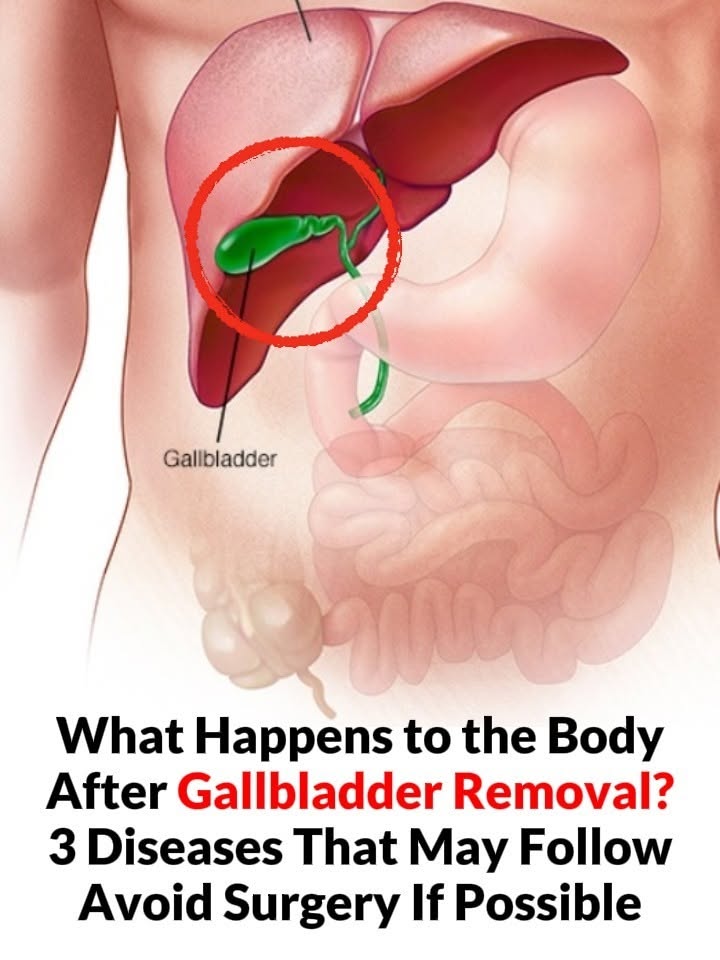

What Happens to the Body After Gallbladder Removal? 3 Problems That May Occur
Gallbladder removal, called a cholecystectomy, is a common operation, most often performed when gallstones cause repeated pain or complications. The gallbladder stores bile, but the liver continues producing bile after surgery, so people can generally live normally without a gallbladder.
1. Changes in Bowel Habits
Some people experience looser or more frequent stools after surgery. Because bile flows continuously into the intestine instead of being stored in the gallbladder, digestion can temporarily change. For many people, this improves as the body adjusts.
2. Bloating or Indigestion
Some people experience gas, bloating, nausea, or discomfort after eating, particularly after fatty meals. Eating smaller meals and reducing very fatty foods may help during recovery.
3. Persistent Abdominal Symptoms
A small number of people continue to experience abdominal pain, indigestion, nausea, or other symptoms after surgery. These symptoms can have several possible causes and should be evaluated rather than automatically blamed on gallbladder removal.
Does Gallbladder Removal Cause Three Specific Diseases?
There is no reliable evidence that gallbladder removal routinely causes three specific diseases. Like any operation, it can have complications, including infection, bleeding, bile leakage, or injury to the bile ducts, but serious complications are uncommon.
Should You Avoid Gallbladder Surgery?
Not necessarily. People who have gallstones but no symptoms often do not need surgery. However, symptomatic gallstones can lead to repeated attacks and complications such as gallbladder inflammation, bile-duct problems, or pancreatitis. In these situations, surgery may be recommended.
The decision should be based on the individual’s symptoms, diagnosis, overall health, and the potential benefits and risks of treatment.
Bottom line: Most people adapt well after gallbladder removal. Some experience digestive or bowel changes, but the surgery does not automatically cause specific diseases. If surgery has been recommended, discuss the reason for it and the alternatives with your healthcare professional rather than avoiding it based on general claims.