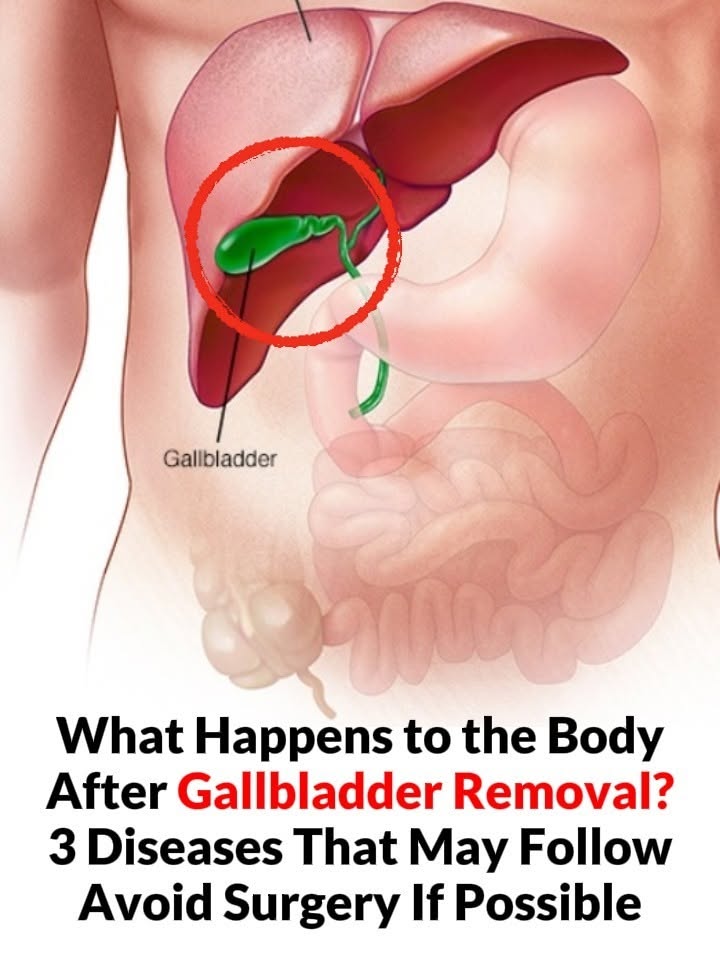

What Happens to the Body After Gallbladder Removal?
Gallbladder removal, or cholecystectomy, is a common operation, usually performed because gallstones are causing repeated pain or complications. The gallbladder stores bile, but the liver continues producing bile after the gallbladder is removed, so most people can live normally without it.
1. Changes in Digestion
After surgery, bile flows more continuously from the liver into the intestine instead of being stored in the gallbladder. Most people adjust without major long-term digestive problems. Some experience temporary bloating, indigestion, or changes in bowel habits.
2. Diarrhea or Looser Stools
A small number of people develop more frequent or looser stools after surgery. This can occur because bile reaches the intestine more continuously. Persistent diarrhea can often be evaluated and treated.
3. Ongoing Abdominal Symptoms
Some people continue to experience abdominal pain, nausea, indigestion, or heartburn after surgery. This is sometimes called post-cholecystectomy syndrome. Persistent symptoms should be investigated because they may have another underlying cause.
Does Gallbladder Removal Cause Three Specific Diseases?
There is no good evidence that gallbladder removal routinely causes three particular diseases. However, as with any operation, complications are possible. These can include infection, bleeding, bile leakage, injury to the bile ducts, or rarely blood clots. Serious complications are uncommon.
Should You Avoid Gallbladder Surgery?
Not necessarily. People with silent gallstones often do not need treatment. But symptomatic gallstones can cause repeated attacks and potentially serious complications such as gallbladder inflammation, bile-duct infection, or pancreatitis. In these situations, surgery may prevent further problems.
The decision should be based on the individual’s symptoms, diagnosis, medical history, and surgical risks rather than a general rule to avoid surgery.
Bottom line: Most people can live normally without a gallbladder. Some experience temporary or persistent digestive changes, but gallbladder removal does not automatically lead to three specific diseases. If surgery has been recommended, discuss the expected benefits, risks, and alternatives with the treating healthcare professional.