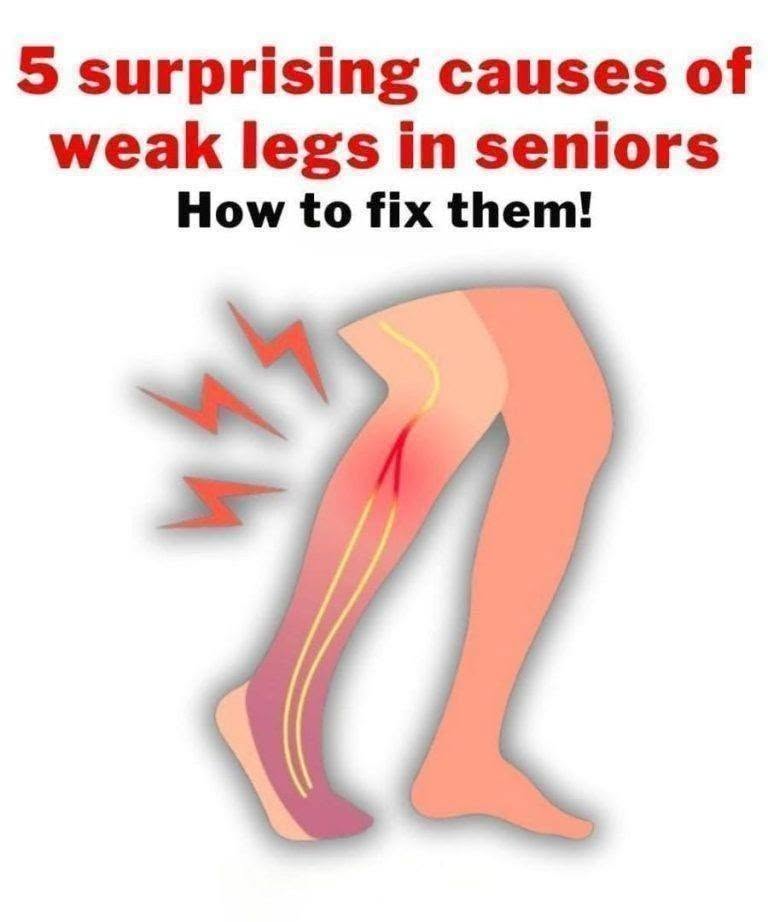

5 Surprising Causes of Weak Legs in Older Adults — and What Can Help
Weak or heavy legs are common in older adults, but they should not automatically be blamed on aging. Leg weakness can come from something as simple as inactivity or as important as a medication effect, nerve problem, or circulation issue. Identifying the cause is the first step toward improving it.
1. Too Much Sitting
Spending long periods sitting can gradually reduce muscle strength and endurance. Even if someone isn’t ill, reduced activity can make standing, climbing stairs, or walking feel increasingly difficult.
What can help: Gradually increase daily movement with activities that are safe for the person’s ability. Strength exercises supervised by a physical therapist or healthcare professional can be particularly useful.
2. Medication Side Effects
Some medications can contribute to weakness, dizziness, or fatigue. This can be especially noticeable when several medications are taken together.
What can help: Ask a doctor or pharmacist to review all prescription and over-the-counter medications. Never stop a prescribed medication suddenly without medical guidance.
3. Vitamin or Nutritional Problems
Inadequate nutrition or deficiencies involving nutrients such as vitamin B12 can sometimes contribute to weakness or nerve-related symptoms.
What can help: A healthcare professional can determine whether blood testing is appropriate. Supplements should be used when there is a genuine need rather than taking large doses unnecessarily.
4. Nerve or Spine Problems
Conditions affecting nerves in the lower back or legs can cause weakness, numbness, tingling, or difficulty walking. A compressed nerve, for example, may produce symptoms that extend down the leg.
What can help: Treatment depends on the underlying cause and may include physical therapy, medication, or other medical treatment.
5. Circulation Problems
Peripheral artery disease can reduce blood flow to the legs. A typical symptom is aching or cramping in the calf or thigh during walking that improves after resting. Cold feet, changes in skin color, or slow-healing wounds can also occur.
What can help: Medical evaluation is important because circulation problems can increase cardiovascular risk. Treatment may involve exercise programs, management of cholesterol and blood pressure, and other measures recommended by a healthcare professional.
When Leg Weakness Needs Prompt Attention
Sudden weakness, particularly on one side of the body or together with facial drooping, difficulty speaking, severe dizziness, or confusion, can be a sign of a stroke and requires emergency medical care.
For gradually developing weakness, don’t simply accept it as an unavoidable part of getting older. Finding the underlying cause can sometimes make a significant difference in mobility and independence.