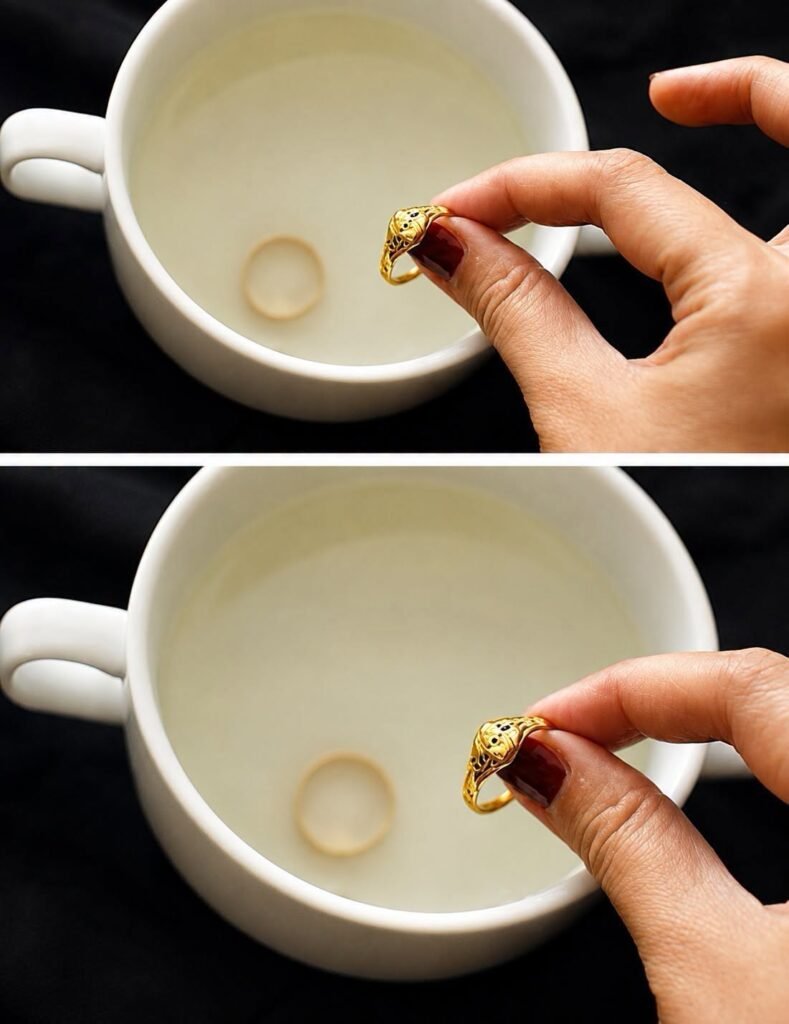

Jewelry can lose its natural shine over time because of everyday wear, dust, body oils, sweat, lotions, perfumes, and exposure to environmental pollutants. Even beautiful necklaces, rings, bracelets, and earrings can gradually become dull or discoloured.
The good news is that many types of jewelry can be cleaned at home using gentle household materials. With the right cleaning method, you can remove everyday dirt and help restore the original appearance of your favourite pieces.
However, different metals and gemstones require different cleaning methods. Using the wrong products can cause permanent damage.
1. Prepare a Gentle Cleaning Solution
For suitable solid gold and durable jewelry without delicate gemstones, prepare a simple cleaning solution.
You will need:
-
A small bowl of lukewarm water.
-
A few drops of mild dishwashing liquid.
-
A soft-bristled toothbrush.
-
A clean, soft microfiber cloth.
Mix the mild soap into the lukewarm water until it becomes slightly foamy.
Avoid using hot or boiling water because sudden temperature changes can damage certain gemstones and jewelry settings.
2. Soak Your Jewelry Carefully
Place suitable solid gold or durable metal jewelry into the cleaning solution for approximately 10–15 minutes.
This helps loosen:
-
Dust.
-
Body oils.
-
Everyday dirt.
-
Soap residue.
-
Light surface buildup.
Do not soak pearls, opals, emeralds, glued jewelry, costume jewelry, or pieces with unknown materials.
3. Gently Remove Dirt
After soaking, use a very soft toothbrush to clean accessible areas.
Pay attention to:
-
Small decorative spaces.
-
The backs of rings.
-
Necklace links.
-
Bracelet connections.
-
Areas around secure gemstone settings.
Use gentle movements rather than scrubbing aggressively.
Avoid brushing delicate stones or loose settings.
4. Rinse With Clean Water
For water-safe jewelry, rinse away the remaining soap using clean lukewarm water.
Make sure no soap residue remains.
When cleaning small pieces, close the drain or use a bowl so that jewelry does not accidentally fall into the sink.
5. Dry Your Jewelry Properly
Use a clean microfiber cloth to gently dry the jewelry.
Avoid rough towels, tissues, or abrasive materials that may scratch delicate surfaces.
Allow the jewelry to air-dry completely before storing it.
6. How to Clean Different Types of Jewelry
Different jewelry materials need different care.
Gold Jewelry
Solid gold can generally be cleaned using lukewarm water and a few drops of mild dishwashing liquid.
Avoid abrasive cleaners, bleach, and harsh chemicals.
Silver Jewelry
Sterling silver can develop a dark tarnished appearance over time.
Use a silver polishing cloth or a suitable silver cleaner according to the manufacturer’s instructions.
Avoid abrasive toothpaste because it can scratch silver.
Diamond Jewelry
Diamonds can accumulate oils and dirt, making them appear less brilliant.
Suitable diamond jewelry may be cleaned with mild soap and lukewarm water, provided the setting is secure and the piece has no delicate accompanying materials.
Pearl Jewelry
Pearls are delicate and should not be soaked.
Wipe them gently with a soft, slightly damp cloth after wearing them. Allow them to dry completely before storage.
Avoid vinegar, alcohol, ammonia, and ultrasonic cleaners.
Costume Jewelry
Costume jewelry may contain plated metals, adhesives, painted surfaces, or imitation gemstones.
Avoid soaking it. Instead, gently wipe it with a soft, dry cloth.
7. Common Jewelry Cleaning Mistakes to Avoid
Some popular household cleaning methods can actually damage jewelry.
Avoid:
-
Using bleach or chlorine.
-
Applying toothpaste to jewelry.
-
Scrubbing with rough brushes.
-
Mixing different cleaning chemicals.
-
Using boiling water.
-
Applying vinegar to delicate gemstones.
-
Using ultrasonic cleaners without checking whether the jewelry is suitable.
-
Soaking jewelry with glued stones or delicate settings.
If you are unsure what a piece is made of, ask a professional jeweller before attempting to clean it.
8. How to Keep Your Jewelry Shiny for Longer
Good storage and everyday care can help prevent dirt and tarnish from accumulating.
Follow these simple habits:
-
Remove jewelry before swimming.
-
Avoid wearing jewelry while using cleaning chemicals.
-
Apply perfume and lotions before putting on jewelry.
-
Wipe jewelry gently after wearing it.
-
Store individual pieces separately.
-
Keep jewelry away from excessive moisture.
-
Avoid scratching delicate gemstones against harder materials.
-
Have valuable pieces inspected periodically by a professional jeweller.
9. When Should You Visit a Professional Jeweller?
Home cleaning is not suitable for every piece of jewelry.
Professional cleaning is recommended when:
-
A gemstone becomes loose.
-
A ring has damaged prongs.
-
Gold plating begins wearing away.
-
Silver has severe tarnishing.
-
Jewelry contains valuable or delicate gemstones.
-
A piece has complicated decorative settings.
-
You notice cracks, damaged clasps, or missing stones.
A professional can identify the materials and select an appropriate cleaning method.
Final Thoughts
Restoring the shine of your jewelry does not always require expensive products or complicated procedures. For suitable solid gold and durable jewelry, a little lukewarm water, mild dishwashing liquid, and a soft cloth can help remove everyday dirt and restore its appearance.
The most important thing is to understand what your jewelry is made of before cleaning it.
Remember: Gentle cleaning, proper storage, and regular care can help your favourite jewelry remain beautiful and last for many years.