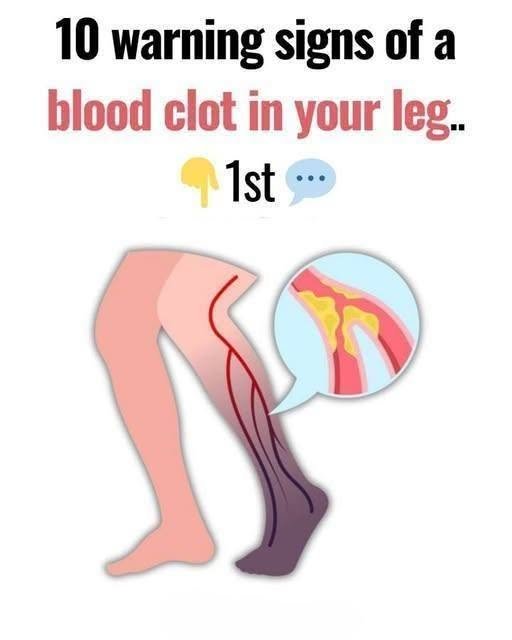

A blood clot in the leg can become a serious medical emergency if it is not recognised and treated promptly. One of the most important conditions associated with leg blood clots is deep vein thrombosis (DVT).
DVT occurs when a blood clot develops in a deep vein, usually in the lower leg or thigh. The clot can partially or completely block blood flow through the affected vein.
The danger is that part of the clot can sometimes break away and travel through the bloodstream to the lungs, causing a potentially life-threatening condition called pulmonary embolism (PE).
Understanding the warning signs can help you recognise a possible problem and seek medical attention quickly.
1. Swelling in One Leg
One of the most common warning signs of DVT is swelling in one leg.
You may notice:
-
One calf looks larger than the other.
-
Swelling around the ankle.
-
Tightness in the lower leg.
-
Swelling that develops unexpectedly.
-
A feeling of heaviness in the affected leg.
DVT-related swelling occurs because the blood clot interferes with normal blood flow through the deep veins.
Swelling does not always mean a blood clot, but unexplained swelling in one leg requires urgent medical assessment.
2. Pain in the Calf or Behind the Knee
Leg pain is another possible warning sign.
Some people describe the discomfort as:
-
A persistent ache.
-
A deep muscular pain.
-
Tenderness in the calf.
-
Cramping that does not go away.
-
Pain that becomes noticeable when walking or standing.
The pain may resemble an ordinary muscle strain, which is why it should not automatically be dismissed.
3. Warmth in the Affected Leg
A blood clot may cause inflammation in the surrounding tissues.
As a result, the affected area may feel warmer than the surrounding skin or the opposite leg.
You might notice:
-
Localised warmth.
-
Tenderness.
-
Slight redness.
-
Swelling around the painful area.
Warmth combined with one-sided swelling and pain is particularly concerning.
4. Red or Discoloured Skin
Changes in skin colour can sometimes occur around the affected area.
Possible changes include:
-
Redness.
-
Pink or reddish-purple skin.
-
Darker skin discolouration.
-
Unusual colour differences between the legs.
These changes are not specific to DVT, but they deserve attention when accompanied by other symptoms.
5. Tenderness When Touching the Calf
Some people with DVT experience tenderness in the affected leg.
The discomfort may become noticeable when:
-
Touching the calf.
-
Pressing the swollen area.
-
Walking.
-
Moving the leg.
However, tenderness alone cannot confirm a blood clot. A medical examination and appropriate testing are necessary.
6. A Feeling of Tightness or Heaviness
An affected leg may feel unusually heavy, tight, or uncomfortable.
Some people describe the sensation as though the leg is stretched or under pressure.
This may occur alongside:
-
Swelling.
-
Aching.
-
Warmth.
-
Discomfort while walking.
New, unexplained tightness in one leg should be assessed, especially when other DVT symptoms are present.
7. Swelling That Extends Into the Thigh
A clot can develop in veins located higher in the leg.
When larger veins are affected, swelling may involve:
-
The calf.
-
The knee area.
-
The thigh.
-
Sometimes the entire leg.
Extensive swelling, particularly when it develops suddenly, requires urgent medical assessment.
8. New Visible or Enlarged Surface Veins
Sometimes, veins near the skin become more noticeable when blood flow through deeper veins is obstructed.
You may notice:
-
New prominent surface veins.
-
Unusual vein enlargement.
-
Increased visibility of veins around the affected area.
This is not a reliable sign by itself, but it can occur in some people with significant venous obstruction.
9. Sudden Shortness of Breath
Medical emergencySudden shortness of breath can indicate that a blood clot has travelled from the leg to the lungs.
This condition is called pulmonary embolism.
Other warning signs include:
-
Sudden difficulty breathing.
-
Chest pain, particularly when breathing deeply.
-
Rapid heartbeat.
-
Coughing up blood.
-
Dizziness or fainting.
These symptoms require immediate emergency medical care. Do not wait for leg symptoms to appear.
10. Chest Pain or Fainting
Medical emergencyA pulmonary embolism can reduce blood flow through the lungs and place significant stress on the heart.
Warning signs include:
-
Sudden chest pain.
-
Pain that becomes worse when taking a deep breath.
-
Fainting or feeling as though you might faint.
-
Rapid or irregular heartbeat.
-
Severe weakness.
-
Sudden collapse.
Call emergency services immediately if these symptoms occur.
Who Is at Higher Risk of Developing a Blood Clot?
Certain circumstances can increase the risk of DVT.
These include:
-
Sitting for long periods, including during long-distance travel.
-
Recent surgery.
-
Hospitalisation or prolonged bed rest.
-
Pregnancy and the weeks following childbirth.
-
Taking certain hormonal medications, including some oestrogen-containing contraceptives.
-
Smoking.
-
Obesity.
-
Previous blood clots.
-
Certain cancers and cancer treatments.
-
Inherited blood-clotting disorders.
-
Increasing age.
Having one or more risk factors does not mean that a blood clot will definitely develop.
How Is a Blood Clot in the Leg Diagnosed?
Doctors use several methods to determine whether someone has DVT.
1. Medical examination
The doctor evaluates symptoms, medical history, risk factors, and the affected leg.
2. Ultrasound
A compression ultrasound is commonly used to examine the deep veins and identify a possible clot.
3. D-dimer blood test
This test measures a substance released when blood clots break down. It can help exclude DVT in people with an appropriate low-risk assessment, but an elevated result does not confirm a clot.
4. Additional investigations
Depending on the circumstances, doctors may recommend further imaging or blood tests.
How Is DVT Treated?
Treatment depends on the location and severity of the clot and the patient’s medical history.
Common treatments include:
-
Anticoagulant medication: Helps prevent the clot from growing and reduces the risk of additional clots.
-
Compression treatment: May be recommended in selected patients to manage swelling and certain symptoms.
-
Medical monitoring: Helps assess treatment effectiveness and possible complications.
-
Advanced procedures: In selected serious cases, specialists may consider clot-removal procedures.
Anticoagulants do not immediately dissolve an existing clot. The body gradually breaks it down over time.
Never start blood-thinning medication without medical advice.
What Should You Do If You Suspect a Blood Clot?
If you develop unexplained swelling, pain, warmth, or redness in one leg, seek urgent medical assessment.
If you experience sudden shortness of breath, chest pain, coughing up blood, or fainting, seek emergency medical care immediately.
Do not attempt to massage the affected leg or treat a suspected clot at home.
Final Thoughts
A blood clot in the leg can initially cause subtle symptoms that resemble ordinary muscle pain or swelling. However, recognising warning signs such as one-sided swelling, calf tenderness, warmth, redness, and unexplained discomfort can help you seek treatment early.
The most important thing to remember is that a blood clot can become life-threatening if it travels to the lungs. Never ignore sudden breathing difficulties or chest pain.
Early medical assessment and appropriate treatment can significantly reduce the risk of serious complications.


