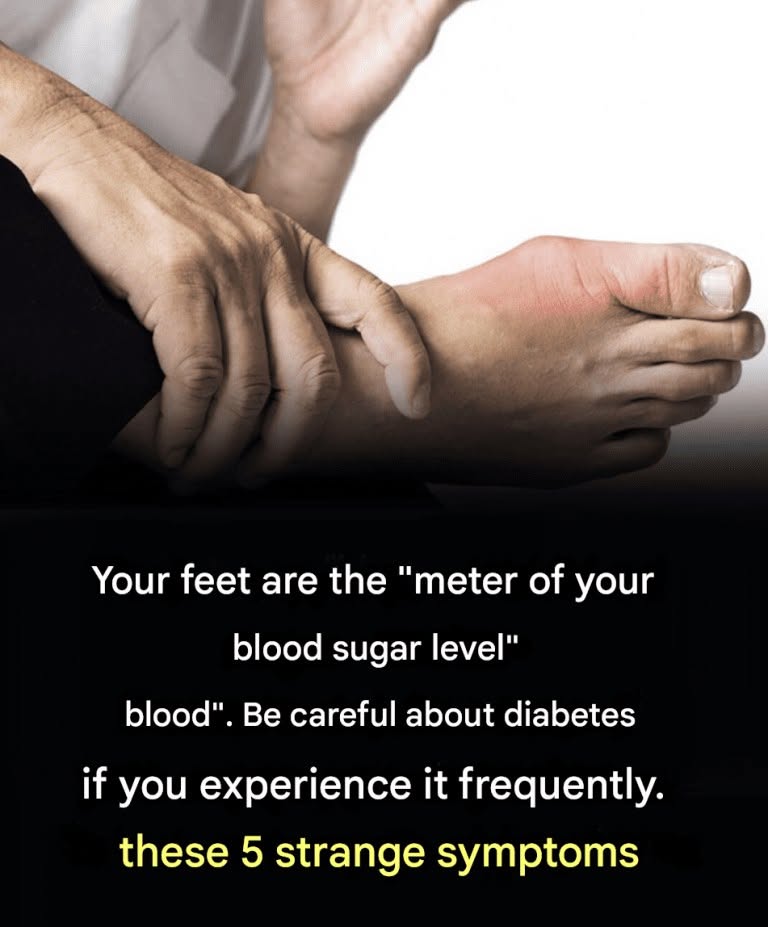

5 Unusual Foot Symptoms You Shouldn’t Ignore
Your feet can reveal more than you might expect about your overall health. While many foot changes are harmless, some unusual symptoms can be signs of an underlying condition and deserve attention.
Here are five foot symptoms that are worth knowing about.
1. Burning or Tingling Feet
A persistent burning, prickling, or “pins and needles” sensation can sometimes be associated with nerve problems, including peripheral neuropathy.
Diabetes is one possible cause, but vitamin deficiencies, certain medications, alcohol use, and other conditions can also affect the nerves.
If the sensation keeps returning or is getting worse, speak with a healthcare professional.
2. Sudden Swelling in One Foot
Swelling can happen after standing for a long time or after an injury. However, sudden swelling, particularly in only one leg or foot, can sometimes be a warning sign of a blood clot.
If swelling occurs with pain, warmth, redness, or tenderness—or especially if you develop chest pain or difficulty breathing—seek urgent medical attention.
3. Cold Feet That Stay Cold
Having cold feet occasionally is usually nothing unusual. But feet that consistently feel unusually cold, particularly when accompanied by numbness, skin-color changes, pain, or slow-healing wounds, may indicate a circulation problem.
This deserves medical evaluation, especially in people with diabetes or known vascular disease.
4. Changes in Toenail Color or Texture
Toenails that become thick, yellow, brittle, crumbly, or separated from the nail bed can occur with fungal infections.
However, nail changes can have other causes as well, including repeated trauma, skin conditions, or—in less common cases—more serious problems.
Avoid assuming that every discolored nail is fungus. A healthcare professional can help determine the cause.
5. A Wound That Won’t Heal
A small blister or cut on the foot should normally begin improving with appropriate care.
If a wound doesn’t heal, repeatedly opens, becomes increasingly painful, or develops redness, warmth, swelling, drainage, or a bad odor, it should be evaluated promptly.
This is particularly important for people with diabetes because reduced sensation and circulation problems can make foot injuries harder to detect and heal.
When Should You Get Help?
Don’t panic over an isolated foot symptom—many have simple explanations. But persistent, unexplained, or rapidly worsening changes deserve attention.
Seek urgent medical care for symptoms such as sudden one-sided swelling, severe pain, a rapidly spreading infection, a black or blue foot, or foot symptoms accompanied by chest pain or difficulty breathing.
The Bottom Line
Your feet aren’t a diagnostic tool, but they can sometimes provide clues that something needs checking. Paying attention to persistent changes—and getting them evaluated when appropriate—can help catch problems before they become more serious.