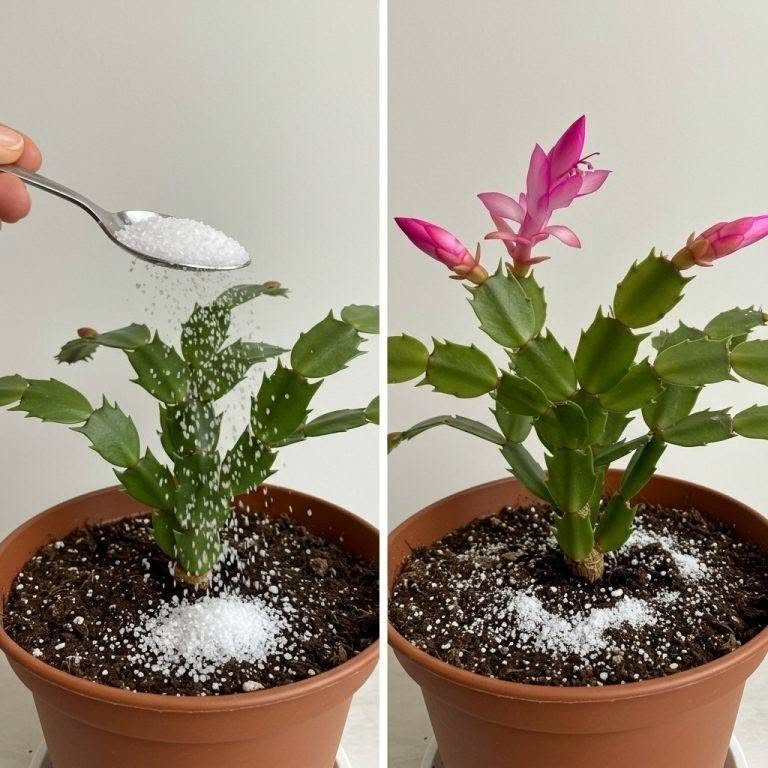

🍂 Fall Awakening: Breathing Life Into House Flowers With a Little Secret
As autumn arrives, shorter days, cooler temperatures, and drier indoor air can leave houseplants looking tired. The good news is that you don’t need expensive products to give many indoor flowers a seasonal boost.
The “little secret” is consistent light, careful watering, and clean leaves—not a miracle fertilizer.
🌸 1. Give Your Plants More Light
As days become shorter, move flowering houseplants closer to a bright window.
-
Choose bright, indirect light for most indoor flowering plants.
-
Rotate the pot every few days so growth remains even.
-
Keep plants away from cold drafts and heating vents.
-
If natural light is limited, a suitable grow light can help.
💧 2. Water According to the Plant
Don’t automatically water on a schedule.
Check the soil with your finger first. If the upper layer feels dry and the plant’s requirements call for watering, water thoroughly until some drains from the bottom.
Never leave the pot sitting in standing water.
Overwatering can cause root problems that look surprisingly similar to underwatering.
🧼 3. Clean Dust From the Leaves
Dust can accumulate on indoor foliage.
Gently wipe broad leaves with a soft, damp cloth. This keeps the plant looking fresh and removes accumulated dust without requiring special “leaf-shine” products.
Avoid oily household products or mayonnaise-style DIY leaf treatments no living stems or roots—no homemade remedy can revive dead tissue. But a stressed plant with healthy roots may recover surprisingly well.
🌱 4. Check the Roots and Pot
If water drains extremely slowly or roots are growing heavily through the drainage holes, the plant may need repotting.
Choose a container with drainage holes and use a potting mix appropriate for that particular plant.
🍌 5. Don’t Rely on Homemade Fertilizer Tricks
You may see recommendations for banana peels, coffee grounds, sugar water, or other kitchen ingredients as a secret way to make flowers bloom.
These aren’t magic bloom boosters, and some can encourage mold, pests, or nutrient imbalances.
If your plant needs feeding, use a commercial fertilizer formulated for that type of plant and follow its directions.
🌡️ 6. Keep Temperatures Steady
Many houseplants dislike sudden temperature changes.
Keep them away from:
-
Cold windows
-
Exterior doors
-
Radiators
-
Heating vents
-
Air conditioners
A stable indoor environment is usually better than frequent temperature swings.
🌼 7. Remove Faded Flowers
Pinch or trim spent blooms when appropriate for the plant. This can keep the plant looking tidy and, for some species, encourage continued flowering.
Use clean scissors or pruning shears to reduce the risk of spreading plant diseases.
🍂 A Simple Fall Routine
Once a week:
-
Check the soil moisture.
-
Inspect leaves for pests.
-
Remove dead or yellowing foliage.
-
Rotate plants toward the light.
-
Check that drainage holes aren’t blocked.
-
Look for new buds or growth.
The Real Secret
There isn’t one household ingredient that can suddenly “bring dead flowers back to life.” Plants respond best to the basics: appropriate light, correct watering, suitable soil, adequate drainage, and species-specific nutrition.
If a houseplant is completely dead—brown, brittle, and with no living stems or roots—no homemade remedy can revive dead tissue. But a stressed plant with healthy roots may recover surprisingly well with the right autumn care.