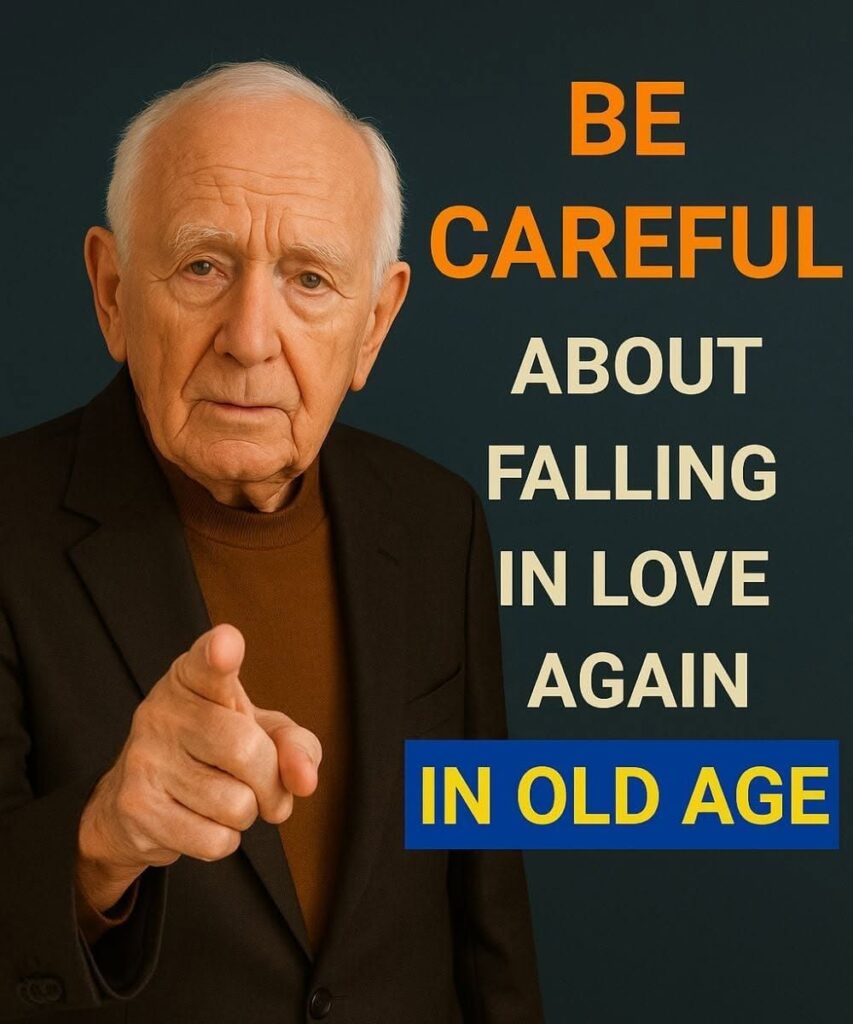

The “Danger” of Falling in Love After 60: What Nobody Tells You ❤️
Falling in love after 60 isn’t inherently dangerous. In fact, meaningful relationships and social connection can contribute to emotional and physical well-being in later life. The National Institute on Aging notes that intimacy and sexuality can remain important parts of life as people age, and some older couples report greater satisfaction than when they were younger. National Institute on Aging+1
However, starting a new relationship later in life does come with some practical considerations.
1. Don’t confuse loneliness with compatibility
After losing a spouse, retiring, or becoming socially isolated, companionship can feel especially powerful. Loneliness itself is associated with poorer health outcomes, including depression and cognitive decline. National Institute on Aging
That doesn’t mean a new relationship is a problem. It simply means it’s worth taking time to determine whether you’re genuinely compatible rather than making a major commitment primarily to escape loneliness.
2. Protect your financial independence
A new partner may eventually become involved in housing, savings, inheritance, or other financial decisions.
Before combining finances or changing ownership of property, consider getting independent legal or financial advice. Romance should not require giving someone immediate access to your assets.
3. Take blended families slowly
A relationship later in life may involve adult children, stepchildren, grandchildren, former spouses, or complicated inheritance arrangements. Expectations can differ considerably between family members.
Clear conversations about finances, living arrangements, caregiving, and inheritance can prevent future conflicts.
4. Be alert to manipulation
Older adults can be particularly vulnerable to financial exploitation when social isolation or dependency is involved. A healthy partner should respect your relationships with friends and family rather than attempting to isolate you from them.
5. Health and caregiving may become part of the relationship
At 60, 70, or 80, either partner may develop health problems. Discussing expectations around caregiving, medical decisions, living arrangements, and independence can be uncomfortable but important.
6. Intimacy doesn’t have an expiration date
Aging can change sexual function, but it doesn’t eliminate the possibility of intimacy. Medical conditions, medications, menopause, erectile dysfunction, and other physical changes can affect sexual relationships, and many issues can be discussed with a healthcare professional. National Institute on Aging
7. You don’t have to rush into marriage
A fulfilling relationship doesn’t necessarily require immediately moving in together or getting married. Some older couples choose to maintain separate homes while remaining committed partners. Research on later-life relationships recognizes arrangements such as “living apart together.” National Institute on Aging
What a Healthy Later-Life Relationship Looks Like
Look for mutual respect, honest communication, financial transparency, emotional support, personal independence, and shared expectations.
And remember: being single isn’t inherently unhealthy either. The quality of social connections matters more than simply having a romantic partner. National Institute on Aging
Bottom Line
Falling in love after 60 isn’t something you need to fear. The real risks aren’t love itself—they’re rushing major decisions, ignoring warning signs, surrendering financial independence, or entering a relationship without discussing health and family expectations.
A new relationship can be an opportunity for companionship, affection, intimacy, and shared experiences at any age.