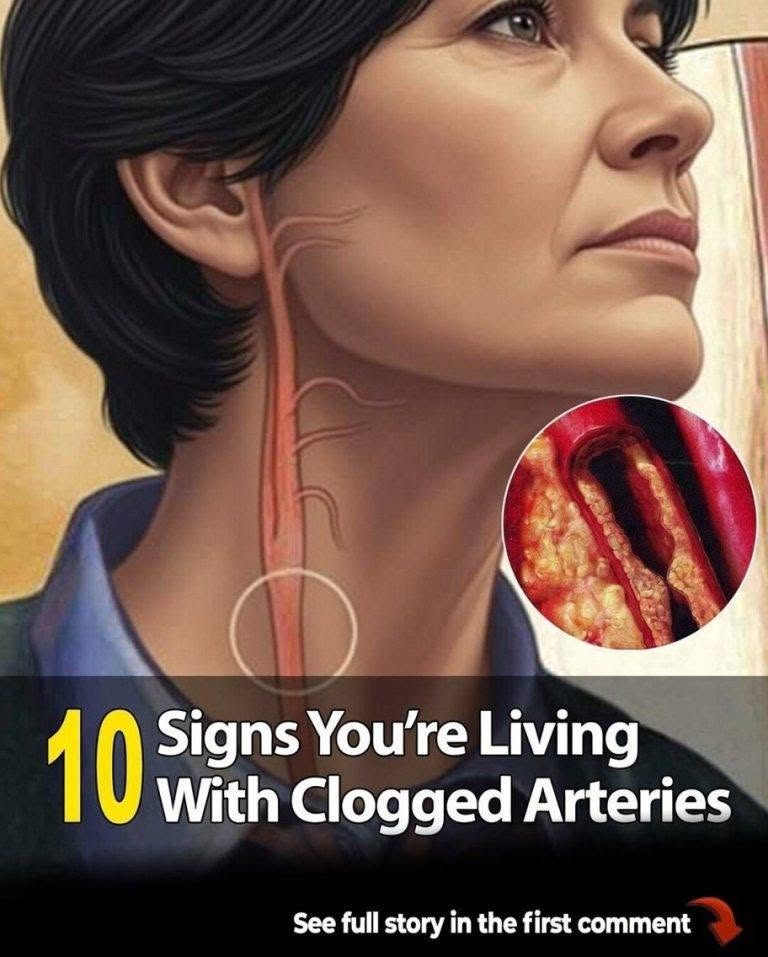

10 Signs That May Point to Artery Narrowing or Reduced Blood Flow
“Blocked arteries” can mean different things, including coronary artery disease in the heart or peripheral artery disease in the legs. Atherosclerosis can also be present without any symptoms, so these signs cannot diagnose a blockage by themselves.
1. Chest pressure or discomfort
Pressure, squeezing, tightness, or pain in the chest—particularly during physical activity—can occur when the heart isn’t receiving enough blood.
2. Shortness of breath
Breathlessness with exertion, especially when accompanied by chest discomfort, deserves medical evaluation.
3. Discomfort spreading to the arm, jaw, back, or neck
Heart-related pain isn’t always felt directly in the chest. It can radiate to other areas of the upper body.
4. Leg pain when walking
Aching, cramping, or heaviness in the calf, thigh, buttock, or foot that appears with walking and improves after resting is a classic symptom of peripheral artery disease.
5. A foot or leg that feels unusually cold
Reduced arterial blood flow can cause one foot or lower leg to feel noticeably colder than the other.
6. Slow-healing wounds on the feet or legs
Poor circulation can make cuts and ulcers take longer to heal.
7. Changes in skin color
A foot or leg may become unusually pale or develop other color changes when blood flow is reduced.
8. Reduced hair growth or slow-growing toenails
Long-standing poor circulation can sometimes cause less hair growth on the lower legs and slower nail growth.
9. Sudden neurological symptoms
A narrowed artery supplying the brain can contribute to a TIA or stroke. Warning signs include sudden facial drooping, weakness or numbness on one side, trouble speaking, vision changes, or loss of balance.
10. Erectile dysfunction
Vascular disease can contribute to erectile dysfunction because normal erections depend on adequate blood flow. It can sometimes be an early indicator of broader cardiovascular disease.
🚨 Don’t Wait for These Emergency Symptoms
Call your local emergency service immediately for new or persistent chest pressure/pain, severe shortness of breath, or sudden stroke symptoms.
Also seek emergency care if a limb suddenly becomes very painful, cold, pale, numb, or difficult to move. This can indicate an acute loss of blood flow.
How Do You Know if an Artery Is Actually Blocked?
Symptoms alone aren’t enough. Depending on the suspected location, a clinician may use blood-pressure measurements, an ankle-brachial index, Doppler ultrasound, CT/MR angiography, or other testing.
Bottom Line
Don’t wait for symptoms to appear to address cardiovascular risk. High blood pressure, high cholesterol, diabetes, smoking, physical inactivity, obesity, kidney disease, and family history can all increase the risk of atherosclerotic disease.
And importantly, having one of these symptoms doesn’t automatically mean an artery is blocked—several other conditions can produce similar symptoms.